Placing You at the Centre of Care

Other Conditions

Neurological Conditions

At Hobbs Rehabilitation we treat a wide range of neurological conditions. If you are unsure or do not see your neurological condition listed please contact us and our team will help guide you to the best course of treatment.

What is a Brain Tumour?

Brain tumours are caused by a growth in cells, which then multiply in an abnormal way. Tumours are given grades depending on how quick their growth is, and the likelihood of regrowth after treatment.

What are the Symptoms of a Brain Tumour?

The symptoms of brain tumours can vary depending on the site of the tumour within the brain. Symptoms can include:

  • Headaches
  • Vision problems
  • Speech and communication problems
  • Weakness on one side of the body
  • Cognitive problems
  • Nausea
  • Seizures

At Hobbs Rehabilitation, we offer a variety of services and treatments for brain tumours. We work very closely with NHS colleagues and other appropriate healthcare professionals to provide advice and management of the condition. In some cases, intensive rehabilitation will be the most effective rehabilitation; suitability for this will be discussed with your therapist during the assessment.

Physiotherapy for a Brain Tumour:

  • Comprehensive neurological assessment
  • Increase muscle strength through strengthening and mobilisation exercises
  • Improve balance and mobility through assessment of different seating and mobility aids and postural re-education
  • Increase sensation through sensory stimulation
  • Reduce muscle stiffness, spasms and pain through stretching programmes
  • Reduce the risk of falls through balance work, gait re-education and training
  • Help reduce foot drop through functional electrical stimulation and various orthotics
  • Increase independence and quality of life through management of positioning in bed and seating

Occupational Therapy for a Brain Tumour:

  • Functional activities independently or in groups
  • Assessment of function in your own environment and establish any needs for
    equipment, adaptations, or further rehabilitation
  • Hand therapy, including splinting and exercise programmes
  • Advice and management of pressure relief through bed positioning and seating adaptations
  • Education to help individuals adapt and manage altered sensation
  • Assessment and treatment of cognitive deficits
  • Aiding perception and problem-solving difficulties

Speech and Language Therapy for a Brain Tumour:

  • Comprehensive assessment of speech, language and communication
  • Comprehensive assessment of swallow
  • Recommendations, therapy plans and home exercise programmes for communication therapy (if indicated)
  • Recommendations, therapy plans and home exercise programmes for
    rehabilitation of the swallow (if indicated)
  • Training for family and carers on how to communicate with someone with dysphasia
  • Advice and management with communication aids
  • Treatment at the centre or in your own home
  • Assistance with written communication including adaptive equipment

Clinical Neuropsychology for a Brain Tumour:

  • Detailed assessment of patient’s functioning; in particular their cognition,
    behaviour and emotional state
  • Providing advice, consultation, teaching and supervision to other professionals as well as family and carers
  • Management and advice for anxiety and changes in mood

What is Polytrauma?

Polytrauma can happen when there are multiple injuries to body parts and organs. An example of polytrauma would be when somebody has a head injury as well as a burn injury.

What are the Symptoms of Polytrauma?

Symptoms can vary based on the sites and types of injury, and each injury will be specific to the patient.

At Hobbs Rehabilitation, we offer a variety of services and treatments for polytrauma. We work very closely with NHS colleagues and other appropriate healthcare professionals to provide advice and management of the condition. In some cases, intensive rehabilitation will be the most effective rehabilitation, suitability for this will be discussed with your therapist during the assessment.

Physiotherapy for Polytrauma:

  • Comprehensive neurological assessment
  • Increase muscle strength through strengthening and mobilisation exercises
  • Improve balance and mobility through assessment of different seating and mobility aids and postural re-education
  • Increase sensation through sensory stimulation
  • Reduce muscle stiffness, spasms and pain through stretching programmes
  • Reduce the risk of falls through balance work, gait re-education and training
  • Help reduce foot drop through functional electrical stimulation (see Mollii Suit) and various orthotics
  • Increase independence and quality of life through management of positioning in bed and seating

Occupational Therapy for Polytrauma:

  • Functional activities independently or in groups
  • Assessment of function in your own environment and establish any needs for equipment, adaptations, or further rehabilitation
  • Hand therapy including splinting and exercise programmes
  • Advice and management of pressure relief through bed positioning and seating adaptations
  • Education to help individuals adapt and manage altered sensation
  • Assessment and treatment of cognitive deficits
  • Aiding perception and problem-solving difficulties

Speech and Language Therapy for Polytrauma:

  • Comprehensive assessment of speech, language and communication
  • Comprehensive assessment of swallow
  • Recommendations, therapy plans and home exercise programmes for communication therapy (if indicated)
  • Recommendations, therapy plans and home exercise programmes for rehabilitation of the swallow (if indicated)
  • Training for family and carers on how to communicate with someone with dysphasia
  • Advice and management with communication aids
  • Treatment at the centre or in your own home
  • Assistance with written communication including adaptive equipment

Clinical Neuropsychology for Polytrauma:

  • Detailed assessment of a patient’s functioning; in particular their cognition, behaviour and emotional state
  • Providing advice, consultation, teaching and supervision to other professionals as well as family and carers
  • Management and advice for anxiety and changes in mood

What is Transverse Myelitis?

Transverse myelitis is a term used to describe inflammation of the spinal cord with resultant paralysis.

What are the Symptoms of Transverse Myelitis?

Symptoms can include variable loss of motor, sensory and sphincter functions, pain and tingling

At Hobbs Rehabilitation, we offer a variety of services and treatments for transverse myelitis. We work very closely with NHS colleagues and other appropriate healthcare professionals to provide advice and management of the condition. In some cases, intensive rehabilitation will be the most effective rehabilitation, suitability for this will be discussed with your therapist during the assessment.

Physiotherapy for Transverse Myelitis:

Physiotherapy is a combination of hands-on therapy and activity-based rehabilitation with the goal of achieving your maximum level of functional independence whatever your level of injury. Rehabilitation is goal driven and focused and these are discussed and set at the beginning and reassessed throughout your rehabilitation journey. Physiotherapy can also look at the return to sport, swimming,  gym/cardiovascular fitness and recreational activities. Hobbs Rehabilitation 

  • Increase muscle strength through strengthening and mobilisation exercises
  • Improve balance and mobility through assessment of different seating and mobility aids and postural re-education
  • Increasing sensation through sensory stimulation
  • Reduce muscle stiffness, spasms and pain through stretching programmes
  • Reduce the risk of falls through balance work, gait re-education and training
  • Treatment and management of the chest and respiratory system through advice, education on the management of infections, and exercises to improve breathing
  • Increase independence and quality of life through management of positioning in bed and seating
  • Master the techniques for transfers from basic to advanced levels
  • Practice and problem-solve wheelchair skills in real-home environment settings
  • Offer individual SCI education
  • Access functional electrical stimulation (see Mollii Suit) and identify which modalities are appropriate
  • Trial and assess the benefits of the exoskeleton as an adjunct to the rehabilitation
  • Work on gait training including access to the LiteGait partial weight-bearing device

Occupational Therapy for Transverse Myelitis:

Occupational therapy covers a vast range of areas, including sexual function, vocational rehabilitation and driving. An occupational therapist has the knowledge and skills to guide you through a return to work and all the equipment and accessibility hurdles that may come with this. They are able to support you as you either return to your previous role or help you to investigate a new role that you would find interesting and enjoyable. An occupational therapist is able to guide you through equipment hurdles in your home too.

  • Functional activities independently or in groups
  • Assessing function in a home environment and establishing any needs for equipment, adaptations, or further rehabilitation
  • Community skills: working on managing the community (wheelchair skills etc.) via trips to the shops/pub/friend’s house
  • Hand therapy including splinting and exercise programmes
  • Assessment of wheelchair set-up
  • Advice and management of pressure relief through bed positioning and seating adaptations
  • Management and education to help you to adapt and manage altered sensation
  • Vocational rehabilitation
  • Exploration of past and new hobbies and leisure activities in your wheelchair

Speech and Language Therapy for Transverse Myelitis:

Difficulties in speech and swallowing are not often experienced in transverse myelitis,
but this can vary depending on the individual. 

  • Comprehensive assessment of speech, language and communication
  • Comprehensive assessment of swallow
  • Recommendations, therapy plans and home exercise programmes for communication therapy (if indicated)
  • Recommendations, therapy plans and home exercise programmes for rehabilitation of the swallow (if indicated)
  • Training for family and carers on how to communicate with someone with dysphasia
  • Advice and management with communication aids
  • Treatment at the centre or in your own home
  • Assistance with written communication including adaptive equipment

Clinical Neuropsychology for Transverse Myelitis: 

Your rehabilitation journey may also benefit from a psychology input. A spinal cord injury is a life-changing event and sometimes there is a need to talk with a qualified individual to assist you in processing this change.

  • Detailed assessment of a patient’s functioning in particular their cognition,
    behaviour and emotional state
  • Providing advice, consultation, teaching and supervision to other professionals as well as family and carers
  • Management and advice for anxiety and changes in mood

How Our Expert Team Can Assist You

Our specialist team provides personalised rehabilitation to help you manage the challenges associated with your condition and work towards your individual goals. We can support you to:

Maintain or improve mobility and physical function

Improve balance, coordination and movement control

Manage muscle weakness, stiffness and discomfort

Develop strategies for everyday activities

Maintain independence and participation in daily life

Manage fatigue and energy levels

Support cognitive function and psychological wellbeing

Address speech, communication and swallowing difficulties

Explore suitable mobility aids, equipment and adaptations

Develop strategies for managing changes in your condition

Support family members and carers

Improve confidence and quality of life

Placing You at the Centre of Care

Hobbs Rehabilitation provides a multidisciplinary service to help ensure that every individual can reach their full potential.

Clinical Neuropsychology

Emotions, thinking, behaviour and the brain

Occupational Therapy

Regain control over your life at home, work and everywhere else

Physiotherapy

Restore function and movement of joints, muscles and tendons

Speech and Language

Help with swallowing and communication difficulties

Services We Provide

Depending on your needs, rehabilitation may include a combination of the following services and specialist programmes:

Adaptive Sports and Activties Icon 02 | Hobbs Rehabilitation

Adaptive Sport and Activities

Enhance your recovery and stay engaged with our adaptive sports and inclusive activities.
Additional Rehabilitation Activities Icon 06 | Hobbs Rehabilitation

Additional Rehab Activities

Elevate your rehabilitation journey by staying active with our groups and additional activities.
Aquatic Physiotherapy Icon 09 | Hobbs Rehabilitation

Aquatic Physiotherapy

Utilise the water environment with access to a hydrotherapy pool.
Exoskeleton Icon 13 | Hobbs Rehabilitation

Exoskeleton Rehabilitation

Technology-assisted rehabilitation to support movement, gait training and functional recovery.
Functional Electrical Stimulation Icon 07 | Hobbs Rehabilitation

Functional Electrical Stimulation

Use targeted electrical stimulation to support movement, muscle activation and functional recovery.
Intensive Rehabilitation Icon 24 | Hobbs Rehabilitation

Intensive Rehabilitation

Increase the number of repetitions to unlock your potential with cutting-edge technology.
Orthotics Clinic Icon 14 | Hobbs Rehabilitation

Orthotics Clinic

Providing support and correction, addressing mobility, promoting proper posture and enhancing gait.
Rehabilitation Assistant Icon 19 | Hobbs Rehabilitation

Rehabilitation Assistants

Additional support and practice to help build strength, confidence, mobility and independence.
Rehabilitation Medicine Icon 20 | Hobbs Rehabilitation

Rehabilitation Medicine

Medical expertise supporting complex rehabilitation and helping you make the most of your recovery.
Vocational Rehabilitation Icon 22 | Hobbs Rehabilitation

Vocational Rehabilitation

Return to work, education or meaningful vocational activity with tailored rehabilitation and practical strategies.

What Treatment May Look Like

Your rehabilitation programme is tailored to your needs, goals and circumstances, and may involve one or more disciplines depending on your requirements.

Single-discipline therapy

Multidisciplinary rehabilitation

Strength, movement and conditioning exercises

Balance, coordination and mobility training

Walking, transfers and functional task practice

Pain, stiffness and fatigue management strategies

Cognitive rehabilitation and practical strategies

Speech, communication and swallowing support

Hand therapy, splinting and upper-limb rehabilitation

Psychological support and adjustment

Neurotechnology-assisted rehabilitation, where appropriate

Education and guidance for family members and carers

Shape the Future Through Clinical Trials

Join our research trials - open to all, including non-Hobbs patients.

Real Patients with Real Results

Our case studies present real rehabilitation outcomes from Hobbs Rehabilitation, focusing on clinical progress, treatment approaches and measurable results.
Sienna South East Concussion | Hobbs Rehabilitation

Sienna’s Case Study

Brain Injury

Concussion/Mild TBI

Following a concussion sustained in a horse riding accident, Sienna’s specialist rehabilitation resolved persistent symptoms, enabling a full return to competitive show jumping, high-intensity exercise, social activities, and selection for Team GB.
Bexie Concussion Ice Skating South East Liss e1709126744621 | Hobbs Rehabilitation

RHV’s Case Study

Brain Injury

Concussion/Mild TBI

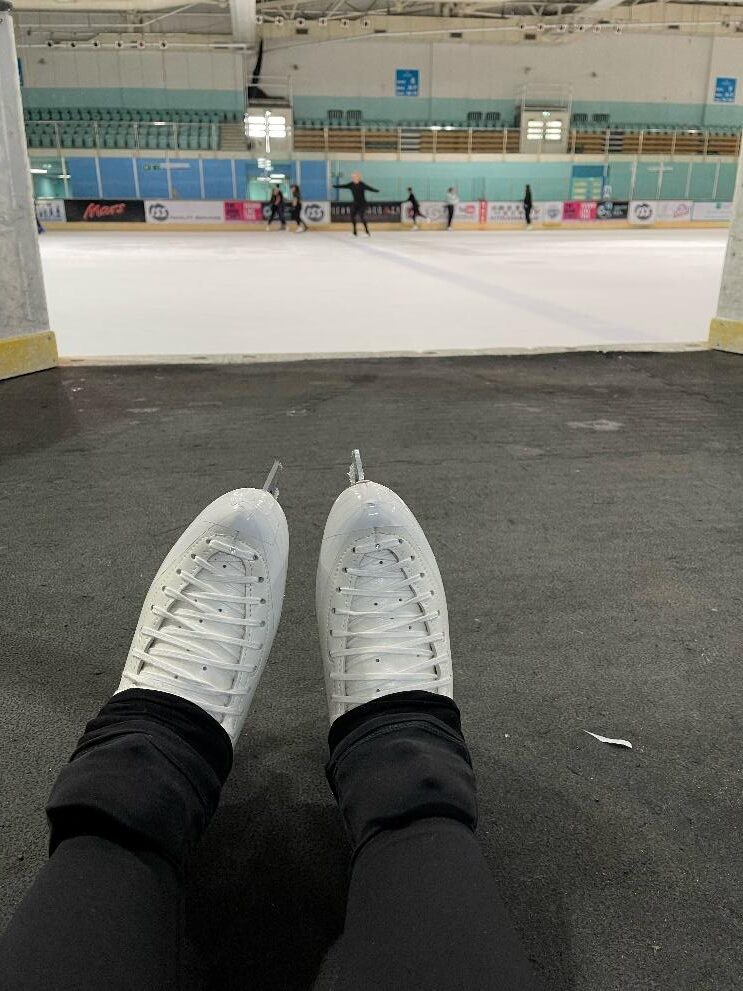
It is estimated that 70% of people who sustain a concussion will recover within 1 month and therefore they are often given very general advice with no specific medical follow up. RHV was in the middle of a busy student placement as part of the final year of her veterinary degree and had hoped that things would resolve on their own.
JE Polytrauma INC Bristol | Hobbs Rehabilitation

JE’s Case Study

Polytrauma

Following a road traffic collision causing multiple injuries, JE’s intensive physiotherapy improved strength, balance, mobility and confidence, enabling her to walk independently, manage stairs, and return towards everyday activities.
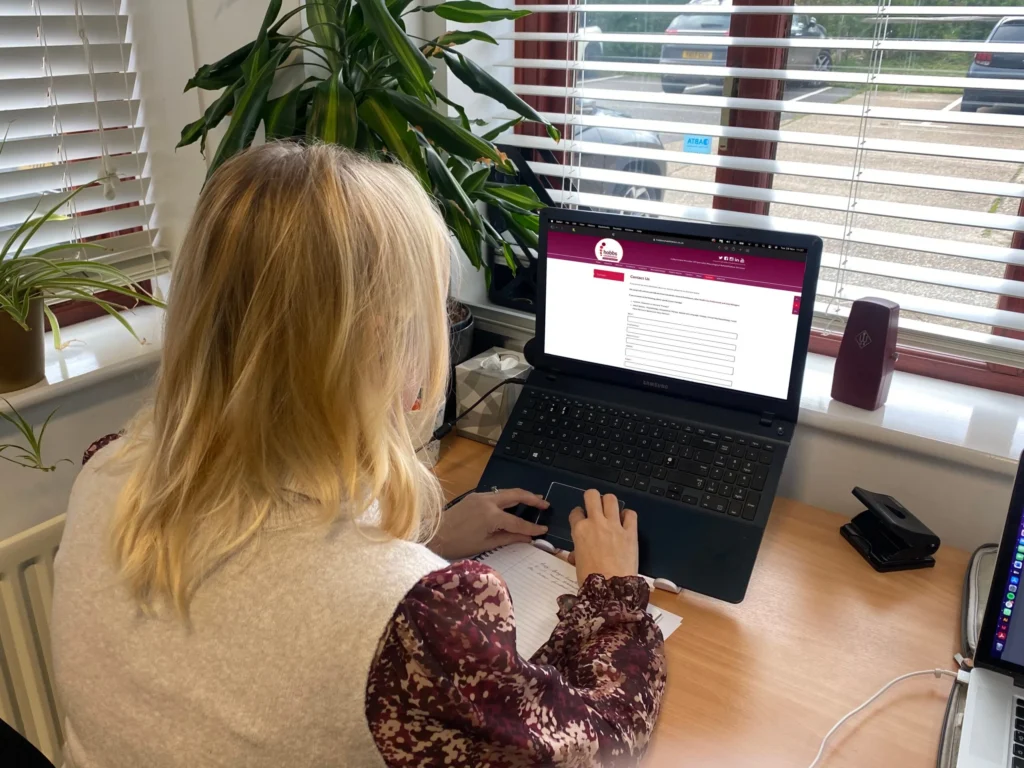
Patient entering details onto an enquiry form on a laptop
Enquire

Enquire today about any of our services or packages
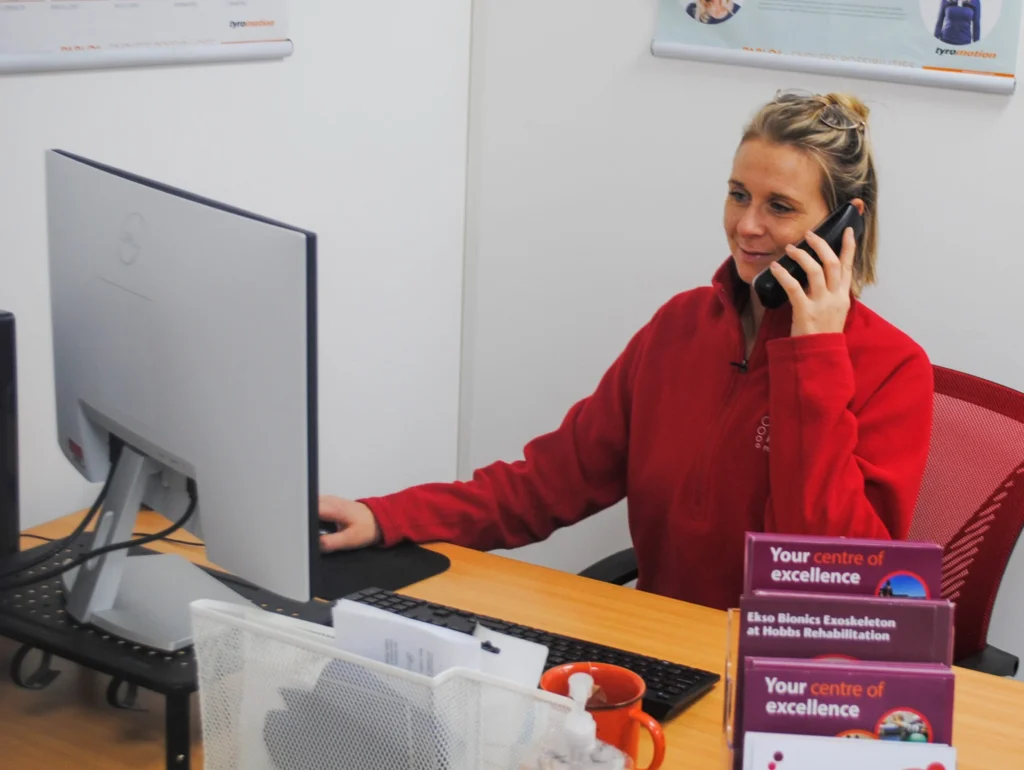
Team member on the telephone at a computer
Screen

You will be contacted to determine your needs and assessment location
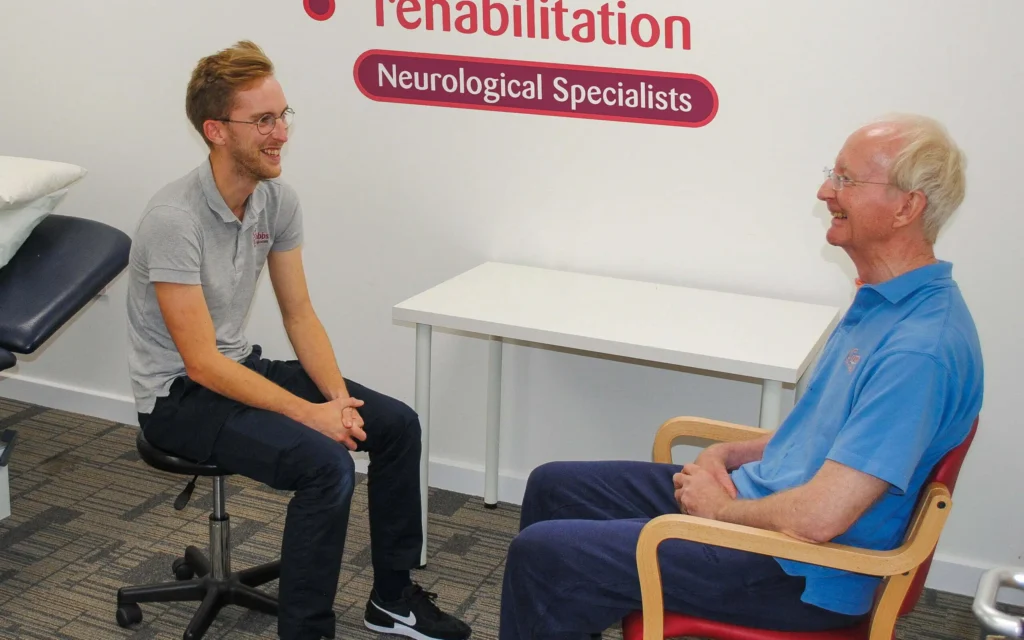
Physiotherapist and patient sat facing towards each other, participating in an assessment consultation
Assess

Your therapist will recommend the best course of treatment
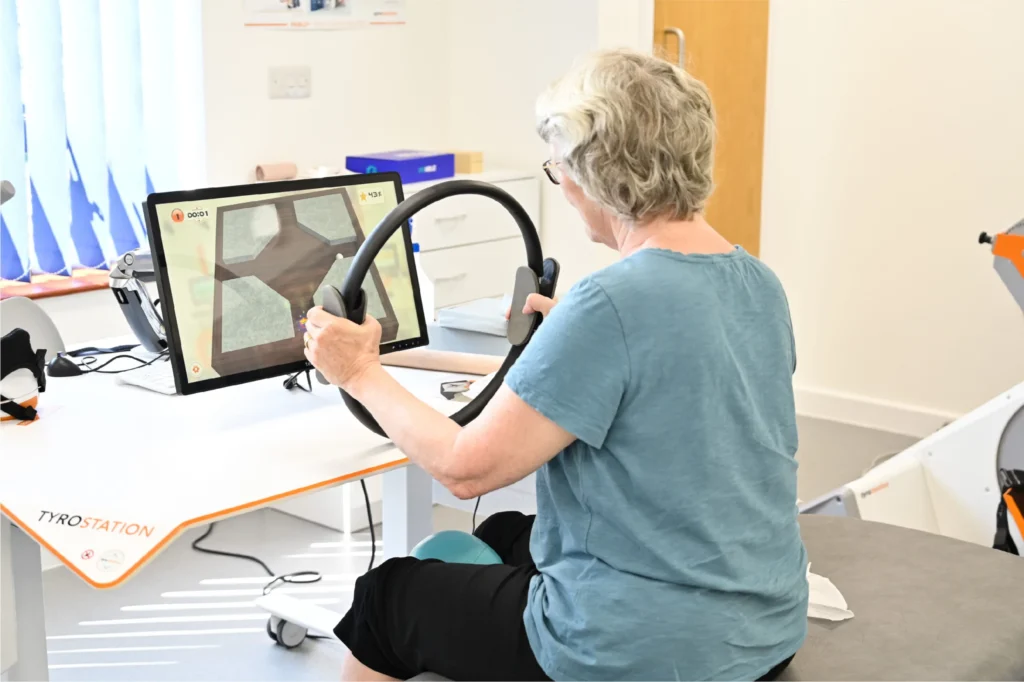
Patient sat at a desk using the DIEGO with a gamified steering wheel and game on a screen
Treatment

Once you have booked you will be ready to start your treatment plan.

Neurotechnology Supporting Rehabilitation

Our rehabilitation programmes can incorporate a broad range of state-of-the-art neurotechnology alongside personalised, multidisciplinary therapy.

Ways to Access Rehabilitation

We provide flexible rehabilitation options tailored to your needs, goals and circumstances.

Home Based Rehabilitation Icon 08 | Hobbs Rehabilitation

Home-Based Rehabilitation

Rehabilitation within the home environment for individuals who require support to maximise independence.
Inpatient Rehabiitation Icon 11 | Hobbs Rehabilitation

Inpatient Rehabilitation

Intensive, focused rehabilitation and personalised support for individuals who need continued care and therapy.
Outpatient Rehabilitation Icon 15 | Hobbs Rehabilitation

Outpatient Rehabilitation

Specialist rehabilitation at our outpatient clinics, through individual sessions or intensive packages tailored to your goals.

Let's Get Started

We accept self-referrals and referrals from Consultants, General Practitioners, other Health Care Professionals and Case Managers, at the following Hobbs Rehabilitation centres for this condition:

Alternatively, call us on 01962 779796 to talk with our team or fill out our enquiry form on our contact page.

Our Credentials

Hobbs Rehabilitation is committed to maintaining recognised credentials, professional memberships and high standards of safeguarding across our services.


An Insight into Our Patient Journeys

Our rehabilitation stories highlight individual experiences of recovery at Hobbs Rehabilitation, following personal journeys, goals and milestones to show the impact of therapy beyond clinical outcomes.

Diana patient story 5 rotated | Hobbs Rehabilitation

Diana’s Rehabilitation Story

Stroke

Acquired Brain Injury

Following her stroke, Diana rebuilt confidence and independence through personalised Occupational Therapy, returning to meaningful activities including gardening, baking and creativity while improving her right arm function.
IMG 9484 rotated | Hobbs Rehabilitation

Adam’s Rehabilitation Story

Brain Injury

Traumatic Brain Injury

Adam sustained a severe traumatic brain injury following a road traffic collision. His rehabilitation has focused on rebuilding mobility, cognitive function and confidence, with the goal of returning to football coaching.
laverstock nigel garden scaled | Hobbs Rehabilitation

Nigel’s Rehabilitation Story

Guillain-Barré Syndrome

Following Guillain-Barré syndrome, Nigel’s determination and intensive neurological rehabilitation helped him regain strength, mobility and independence, achieving milestones including standing, walking with support and returning to everyday activities.

Hear From Them

Don’t just take our word for it – take theirs.