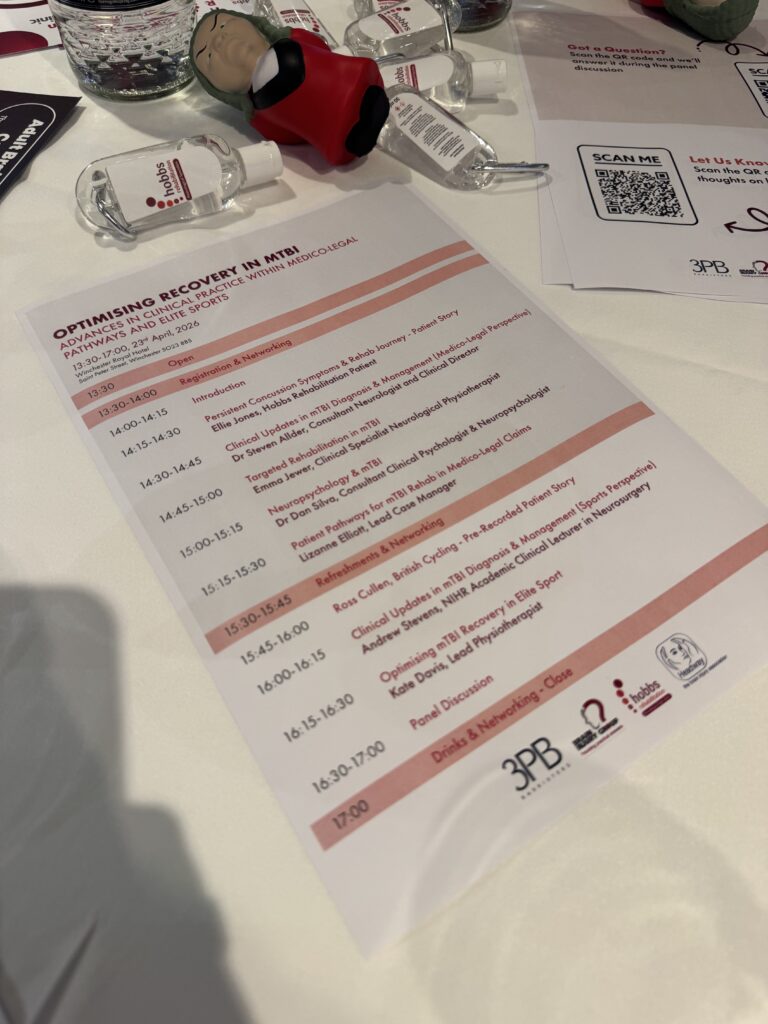
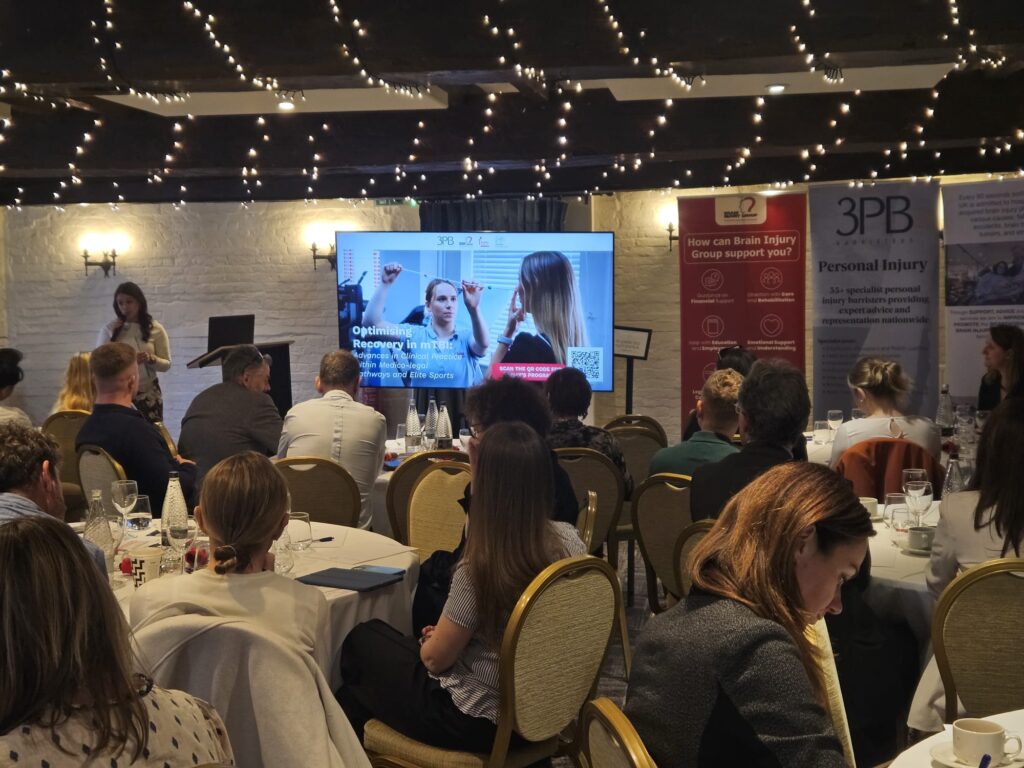
This month, Hobbs Rehabilitation, Brain Injury Group, and 3PB came together at Winchester Royal Hotel to host a thought-provoking conference exploring the impact of mild traumatic brain injury (mTBI) and persistent concussion symptoms. We had a brilliant series of expert talks, with an overarching narrative of how science, clinical care, and lived experience can align to optimise recovery and rehabilitation.
The day opened powerfully with Ellie Jones, a former Hobbs Rehabilitation patient, whose personal story grounded the conference in reality. Her reflections on navigating work, relationships, and identity after concussion served as a reminder that mTBI is not a “mild” condition in its impact. By humanising the clinical discussions that followed, Ellie set the tone for a day focused not only on treatment, but on the people that live with the condition..
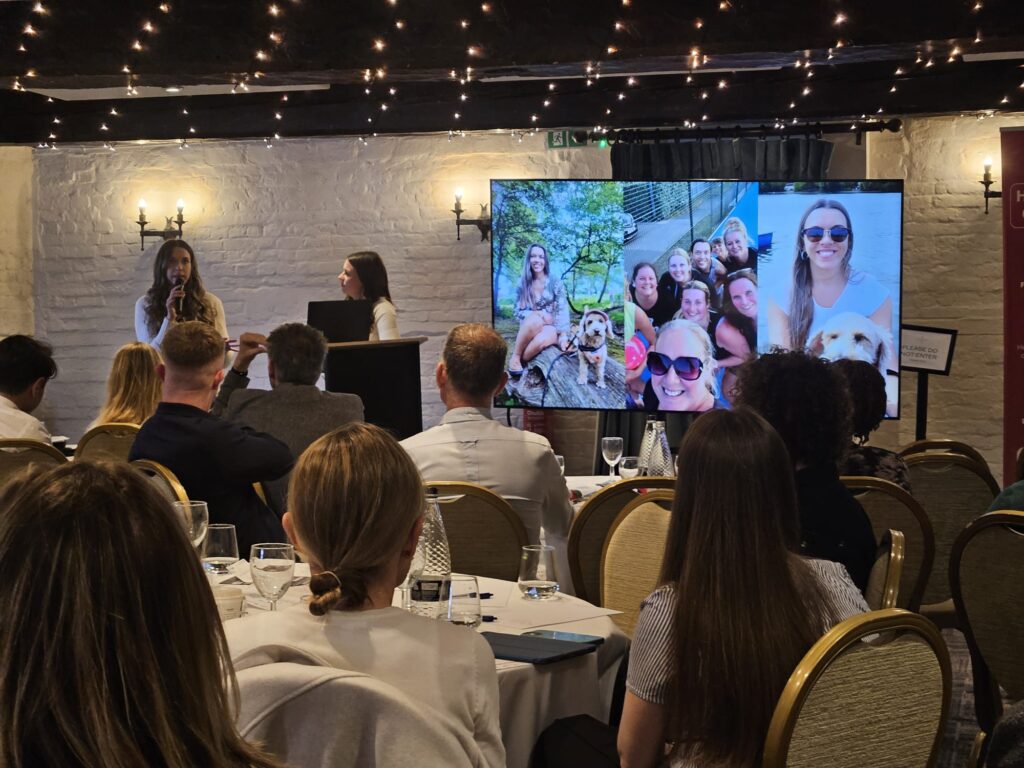
Dr Steven Allder, Consultant Neurologist and Clinical Director at Re:Cognition Health, built on this foundation with a nuanced exploration of mTBI diagnosis and management from a medico-legal perspective. His session explored how far the field has come, from historically under-recognised injuries to increasingly sophisticated diagnostic frameworks – while also highlighting ongoing challenges in objectively measuring and evidencing brain injury.
Emma Jewer, Hobbs Rehabilitation’s Vestibular Rehabilitation and Concussion Service Lead, brought the conversation into the clinical present. Her talk on targeted rehabilitation illustrated how personalised, multidisciplinary approaches are reshaping outcomes for patients with persistent symptoms. Not only did she give a fantastic talk on the day, she also was instrumental in the planning and running of the event itself, working with 3PB and Brain Injury Group to host such a brilliant conference.
Neuropsychologist Dr Dan Silva deepened the discussion by examining the cognitive and psychological aspects of mTBI. His emphasis on the interaction between brain injury and conditions such as PTSD highlighted that in order to achieve effective rehabilitation, we must address not just the brain, but the broader psychological context in which recovery occurs.
The importance of integration across disciplines was further reinforced by Lizanne Elliott, Lead Case Manager at Integrated Case Management. Her perspective on patient pathways within medico-legal claims revealed how clinical care intersects with legal processes, and why neurological expertise is essential in coordinating effective, outcome-focused rehabilitation.
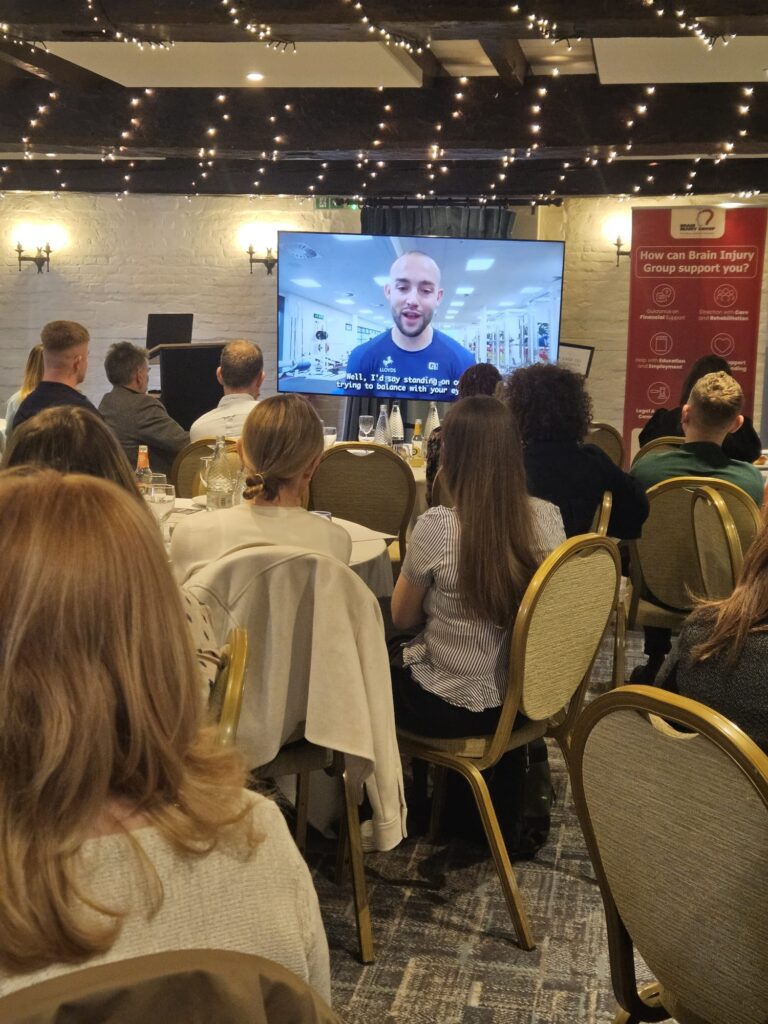
A particularly inspiring moment came through a pre-recorded interview with Ross Cullen, a professional cyclist for British Cycling and Hobbs patient. His journey from injury to returning to elite competition illustrated the tangible impact of multidisciplinary rehabilitation, and the resilience required to navigate recovery at the highest level of sport.
Shifting to the elite sports arena, Andrew Stevens, NIHR Academic Clinical Lecturer in Neurosurgery at the Birmingham Sports Concussion Clinic, offered insight into cutting-edge diagnostic research. His work, particularly within rugby, showcased the growing emphasis on identifying objective markers of concussion – an area that could significantly transform both clinical practice and medico-legal evaluation.
The final talk from Kate Davis, Senior Physiotherapist at England Rugby, addressed the importance of prevention within mTBI. Her exploration of neck strength as a potential protective factor in concussion added an important angle – recovery is only part of the equation, and reducing risk in the first place is equally critical.
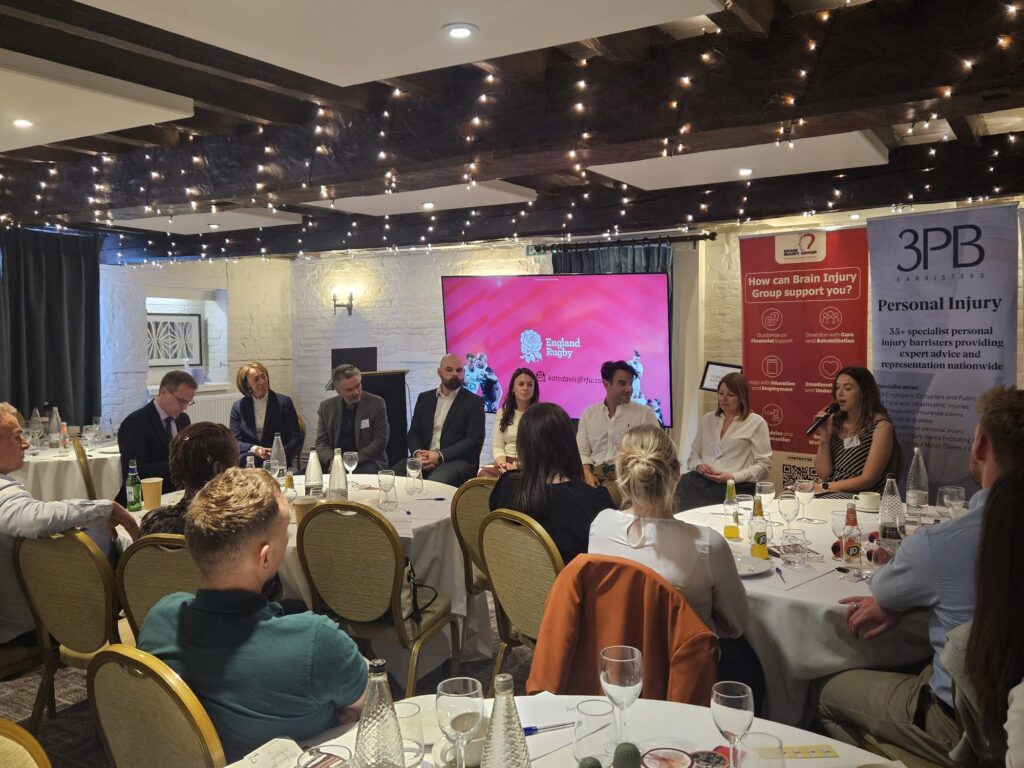
The conference concluded with a lively panel discussion, where audience questions sparked fascinating dialogue between speakers. This highlighted a key theme of the day: while expertise may differ across disciplines, collaboration is essential to advancing understanding and improving patient outcomes.
What made this conference particularly impactful was its breadth. From lived experience to legal frameworks, and from clinical rehabilitation to elite sport, it became clear that optimising recovery in mTBI requires more than isolated expertise. It demands integration – of perspectives, disciplines, and approaches.
Perhaps the most important insight was this: mTBI may be classified as “mild,” but its consequences can be anything but. As research advances and clinical practice evolves, the challenge, and opportunity, lies in translating knowledge into meaningful, patient-centred outcomes.
This translation into practice is already evident in services such as Hobbs Rehabilitation’s Concussion Clinic, which adopts an active, multidisciplinary rehabilitation approach. Rather than relying solely on prolonged rest, the service reflects emerging evidence that structured, individualised rehabilitation, delivered by neurological physiotherapists, occupational therapists and clinical neuropsychologists, can play a key role in supporting and potentially accelerating recovery following concussion.
Overall, the event was a resounding success, leaving attendees not only better informed, but better equipped to contribute to the future of mTBI care.
hobbsrehabilitation.co.uk/services/concussion-clinic