Long-term neurological conditions can affect movement, strength, balance, communication, cognition and everyday independence. Conditions such as Multiple Sclerosis (MS), Parkinson’s, Motor Neurone Disease (MND) and Progressive Supranuclear Palsy (PSP) can change over time, requiring ongoing specialist rehabilitation and support.
We provide personalised rehabilitation to help you manage symptoms, maintain function and work towards your individual goals. Our multidisciplinary team can adapt your programme as your needs change, supporting independence and quality of life.
Our multidisciplinary team provides specialist rehabilitation throughout the course of a long-term neurological condition. Treatment is tailored to your symptoms, abilities and goals, with your programme reviewed and adapted as your needs change.
Symptoms vary widely for long-term neurological conditions based on many different factors such as the nature, intensity and progression of the condition, therefore our treatment plans are designed to address the specific symptoms and needs of each individual.
Hobbs Rehabilitation provides a multidisciplinary service to help ensure that every individual can reach their full potential.
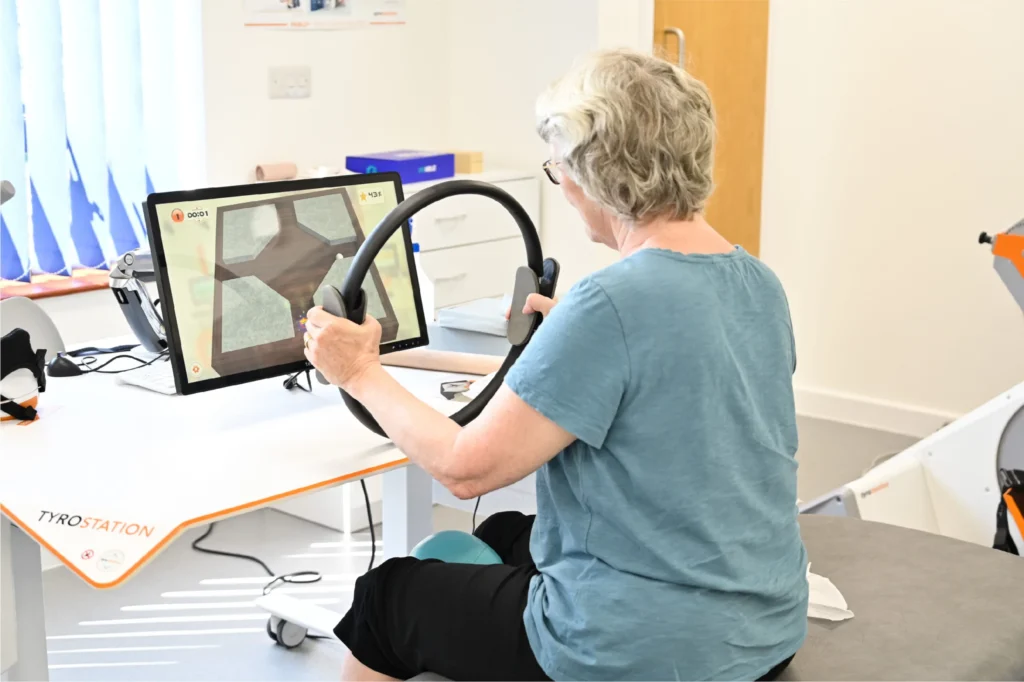
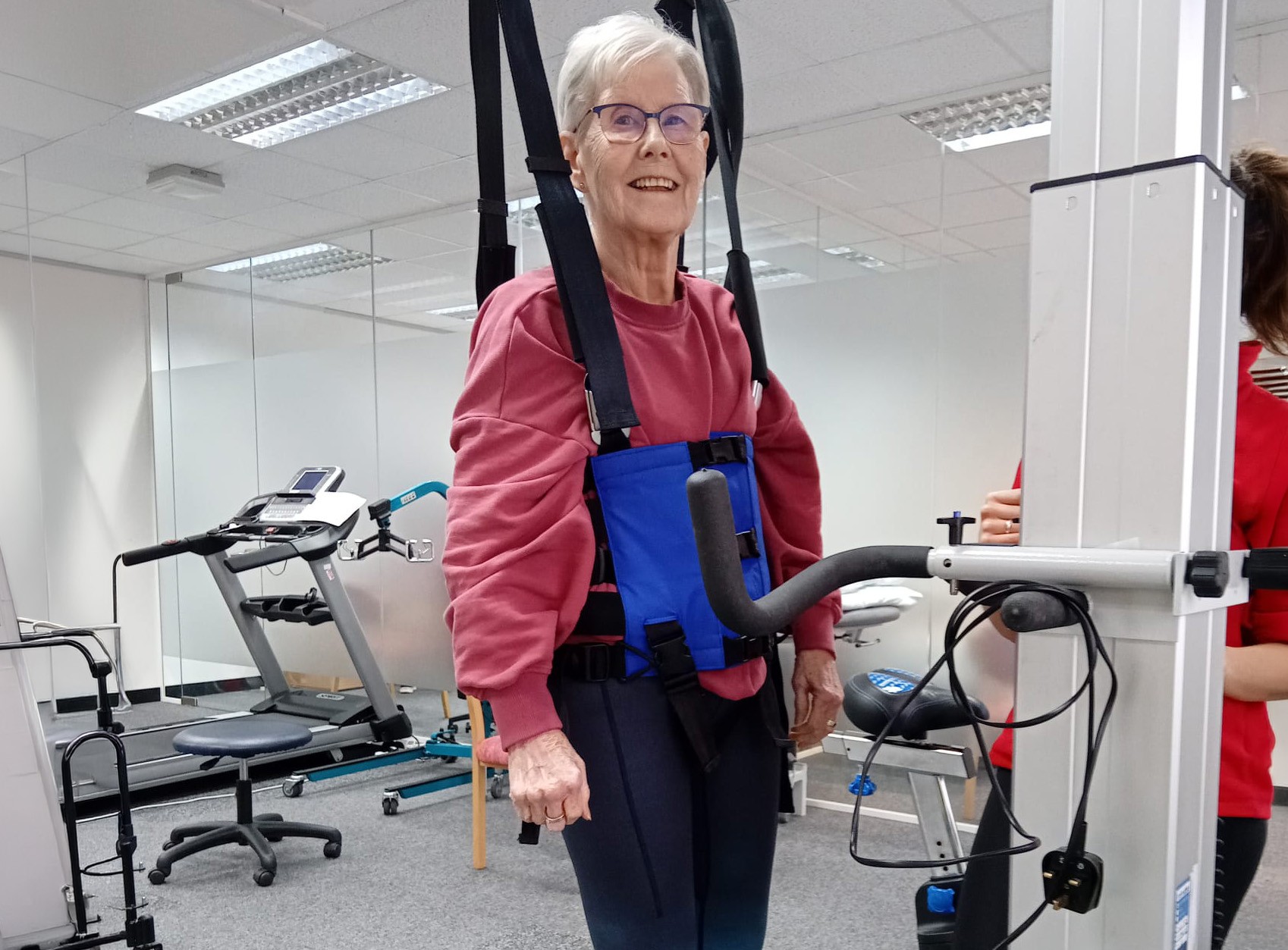
Depending on your needs, rehabilitation may include a combination of the following services and specialist programmes:
Your rehabilitation programme is tailored to your needs, goals and circumstances, and may involve one or more disciplines depending on your requirements.
Enquire today about any of our services or packages
You will be contacted to determine your needs and assessment location
Your therapist will recommend the best course of treatment
Once you have booked you will be ready to start your treatment plan.
Our service supports people with a wide range of long-term neurological conditions, with rehabilitation tailored to each person’s individual needs and goals.
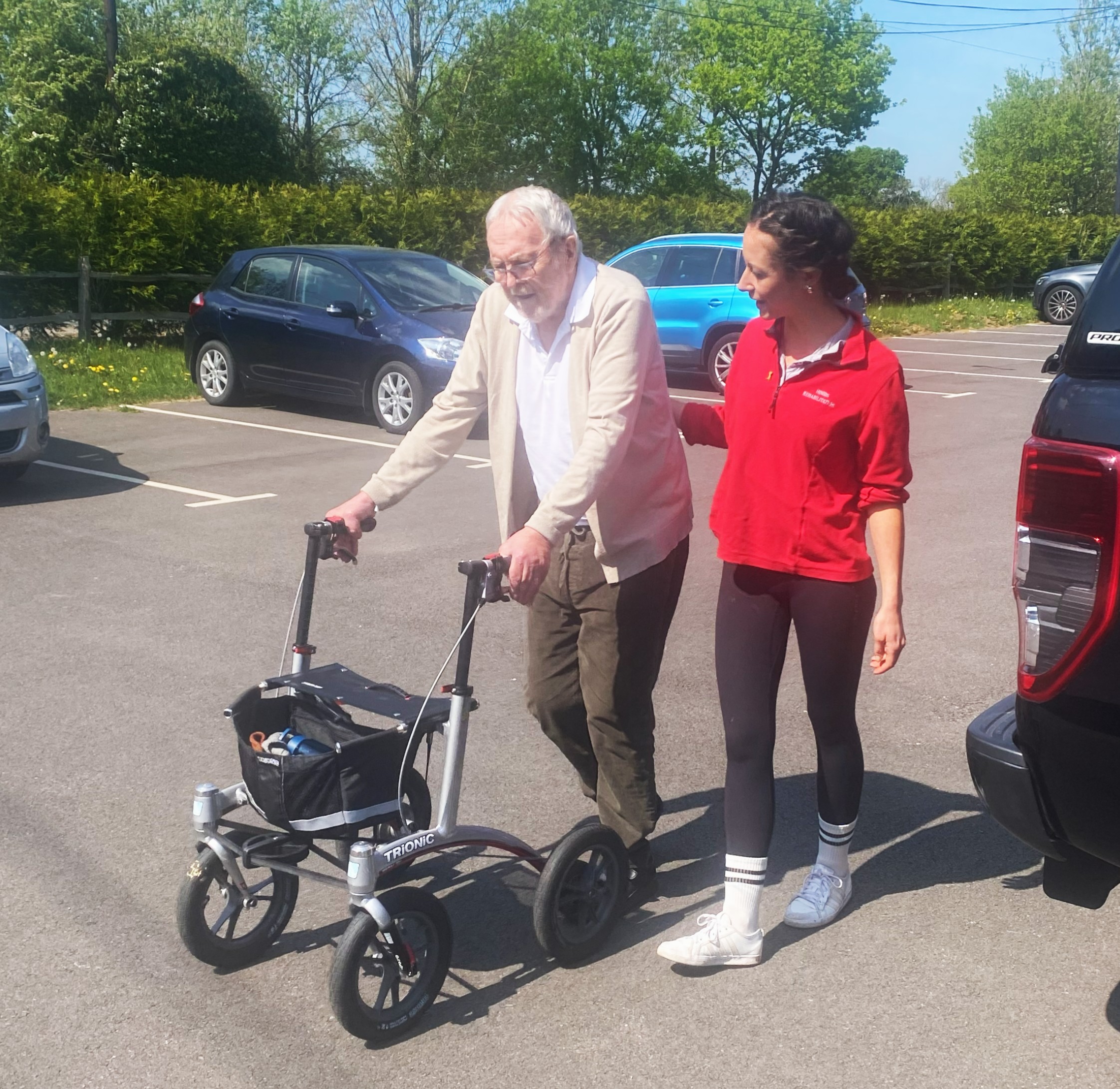
Our team is made up of highly experienced clinicians who are passionate about supporting people through their rehabilitation journey. Each member brings specialist knowledge, clinical expertise, and a patient-centred approach to their work.
Join our research trials - open to all, including non-Hobbs patients.
Our case studies present real rehabilitation outcomes from Hobbs Rehabilitation, focusing on clinical progress, treatment approaches and measurable results.
We accept self-referrals and referrals from Consultants, General Practitioners, other Health Care Professionals and Case Managers, at the following Hobbs Rehabilitation centres for this condition:
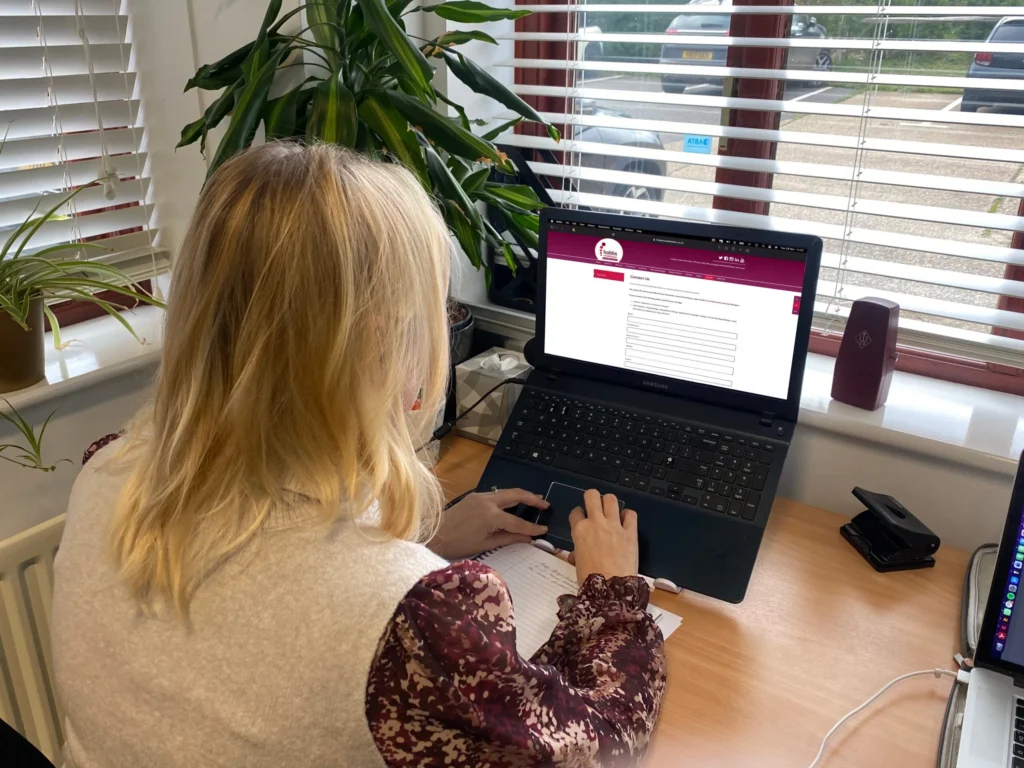
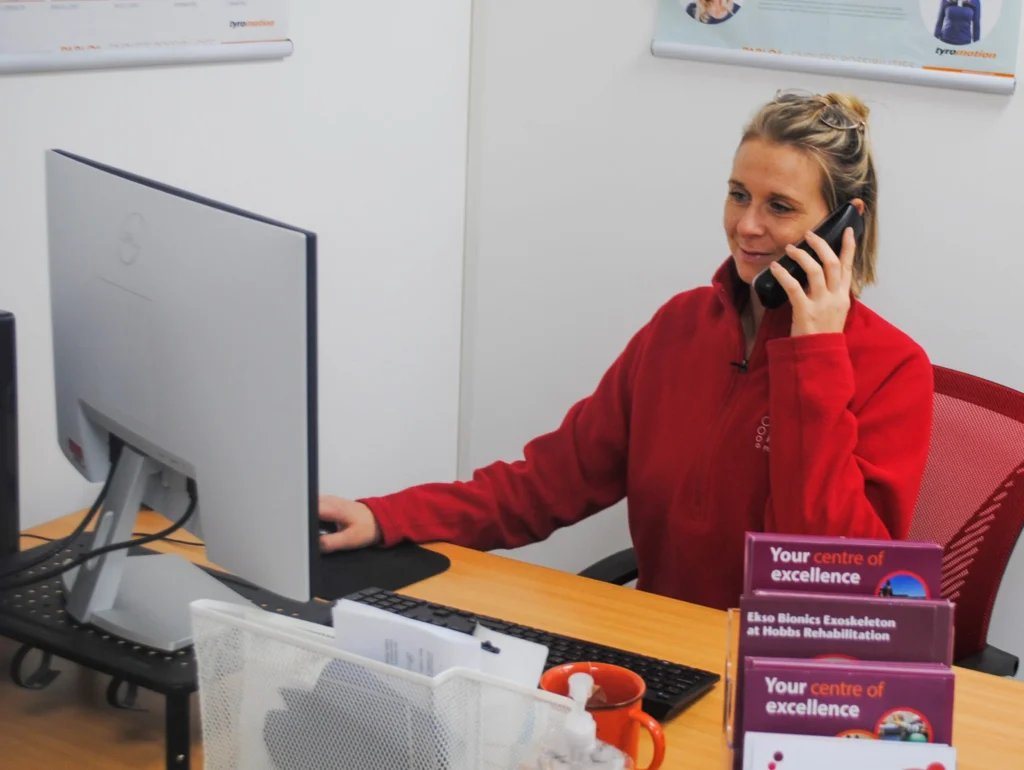
Alternatively, call us on 01962 779796 to talk with our team or fill out our enquiry form on our contact page.
Explore a range of common questions about brain injuries, and see how you may benefit from an assessment. If your question still isn’t answered, get in touch – contact us.
Long-term neurological conditions affect the brain, spinal cord, nerves or muscles and may require ongoing management and rehabilitation. Examples include Multiple Sclerosis, Parkinson’s disease, Motor Neurone Disease, Progressive Supranuclear Palsy, Huntington’s disease, dystonia, multiple system atrophy and ataxia.
Yes. Rehabilitation can help manage symptoms, maintain function and develop strategies to support independence. The focus of rehabilitation can change as your condition and needs change.
Rehabilitation can help you develop physical, cognitive and practical strategies to support independence with everyday activities, mobility and participation.
Not necessarily. Your rehabilitation will depend on your individual needs. Some people may benefit from one specialist therapy, while others may benefit from input from several disciplines working together.
Yes. Rehabilitation can include strategies to manage fatigue, balance activity and rest, improve physical conditioning and adapt everyday activities around your available energy.
Yes. Where appropriate, Clinical Neuropsychology and Occupational Therapy can provide assessment and strategies to support difficulties with attention, memory, planning, behaviour and emotional wellbeing.
Yes. Speech and Language Therapy can assess and support difficulties affecting speech, communication, voice and swallowing where these are associated with your neurological condition.
Yes. Your programme can be reviewed and adapted as your symptoms, abilities and goals change. The focus of treatment can change over time to reflect your current needs and priorities.
Depending on your needs and location, rehabilitation may be available at home or in the community as well as at one of our centres. Your clinician can discuss the most appropriate setting with you.
Our Credentials
Hobbs Rehabilitation is committed to maintaining recognised credentials, professional memberships and high standards of safeguarding across our services.
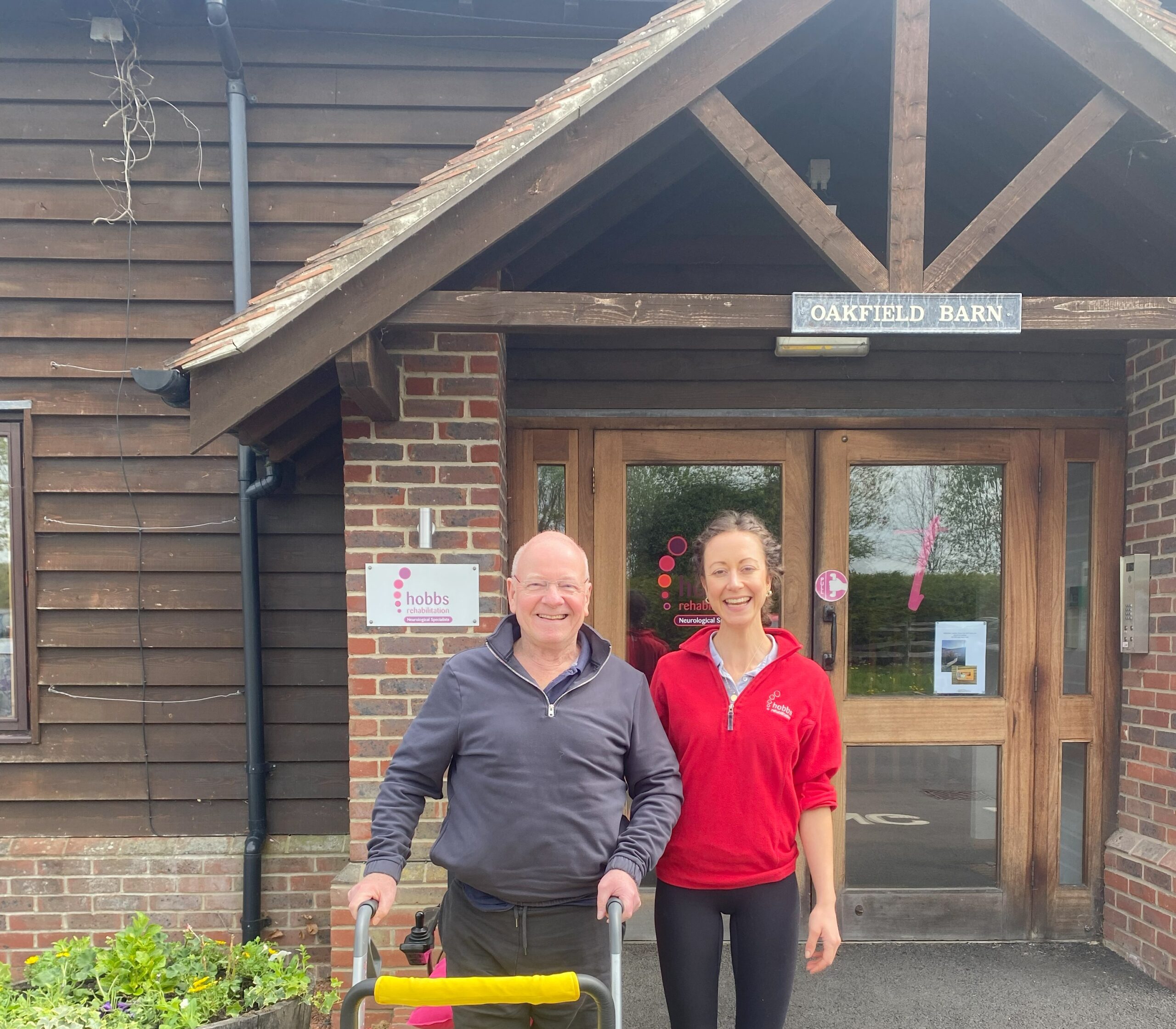
Our rehabilitation stories highlight individual experiences of recovery at Hobbs Rehabilitation, following personal journeys, goals and milestones to show the impact of therapy beyond clinical outcomes.
Don’t just take our word for it – take theirs.