Amputee rehabilitation provides specialist support following amputation and traumatic injury, helping you regain movement, strength, independence and confidence. Our multidisciplinary team develops personalised rehabilitation programmes around your individual needs, goals and lifestyle, combining specialist therapy with prosthetic rehabilitation, adaptive equipment and technology where appropriate.
Rehabilitation Focused on Your Goals
Our rehabilitation considers the physical, functional and wider impact of limb loss or traumatic injury. Treatment may focus on mobility and prosthetic use, pain management, everyday activities, work, sport or other personal goals. Your programme can involve Physiotherapy, Occupational Therapy, Clinical Neuropsychology, Rehabilitation Medicine and prosthetic services where appropriate, with treatment adapted as you progress.
Placing You at the Centre of Care
Hobbs Rehabilitation provides a multidisciplinary service, bringing together disciplines that may contribute to your rehabilitation.
Treatment is tailored to your individual needs and may include:
Residual limb care
Desensitisation techniques
Strength and conditioning
Balance and stability training
Movement assessment
Gait and walking practice
Prosthetic rehabilitation
Stair and slope practice
Functional task practice
Equipment and adaptation advice
Wheelchair skills
Pain management strategies
Upper limb rehabilitation
Adaptive sport and activities
Outcome measurement
Meet the Team
Our team is made up of highly experienced clinicians who are passionate about supporting people through their rehabilitation journey. Each member brings specialist knowledge, clinical expertise, and a patient-centred approach to their work.
We accept self-referrals and referrals from Case Managers, GPs, Consultants, medico-legal professionals, health and social care professionals and the charity sector, with this service available at the following Hobbs Rehabilitation centres:
Explore a range of common questions and see how you may benefit from an assessment. If your question still isn’t answered, get in touch – contact us.
What does an amputee assessment involve?
Your assessment is designed to understand your physical, functional and wider rehabilitation needs. This may include your medical and surgical history, strength, balance, mobility, endurance, pain, prosthetic use, equipment needs and personal goals. Your therapist will also consider any neurological, cognitive or psychological factors that may affect your rehabilitation.
Which professionals may be involved in my rehabilitation?
Your rehabilitation may involve a multidisciplinary team including Physiotherapists, Occupational Therapists, Clinical Neuropsychologists, Rehabilitation Medicine specialists, Rehabilitation Assistants, prosthetists and orthotists, and nursing or care providers where appropriate. The combination of professionals involved will depend on your individual needs and goals.
Can you help me with prosthetic rehabilitation?
Yes. Where appropriate, our team can work alongside your prosthetic services to help you develop and optimise the use of your prosthesis. Rehabilitation may include gait training, functional activities, balance, stairs, slopes and other activities relevant to your goals.
Can you provide rehabilitation for upper limb amputation?
Yes. Upper limb rehabilitation can focus on developing functional skills with or without a prosthesis. This may include activities such as eating, dressing and other everyday tasks, as well as more complex movements and activities.
Can you help with phantom limb pain?
Our team can provide rehabilitation and strategies to help manage pain, including phantom limb pain. Your treatment will be tailored to your individual symptoms and may involve input from different members of the multidisciplinary team where appropriate.
Can amputee rehabilitation include sport and recreational activities?
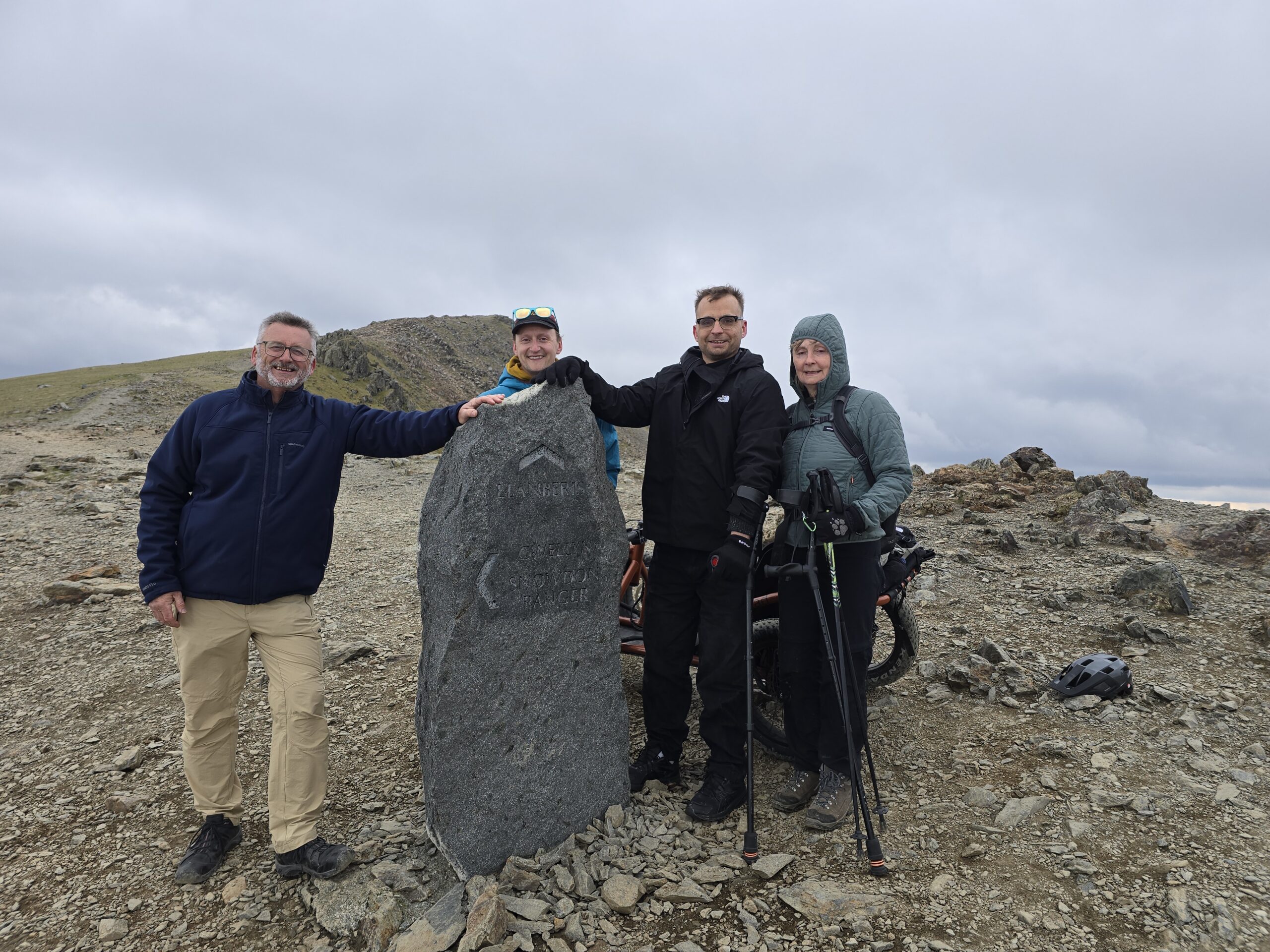
Yes. Where appropriate, adaptive sport and recreational activities can be incorporated into your rehabilitation programme. This may include cycling, water-based activities, outdoor mobility and adapting equipment or techniques to help you work towards your personal goals.
Can amputee rehabilitation help me return to work?
Yes. Rehabilitation can address the physical, functional and practical challenges associated with returning to work. Occupational Therapy may help with activity demands, fatigue, equipment, adaptations and strategies to support your return to work where appropriate.
How is my rehabilitation progress measured?
Outcome measures may be used to establish a baseline and monitor changes throughout your rehabilitation. These can help your clinical team track areas such as strength, balance, walking, mobility and functional goals, and guide your programme as you progress.
Can amputee rehabilitation be part of a wider rehabilitation programme?
Yes. Amputee rehabilitation can be provided as a focused programme or incorporated into a wider rehabilitation programme alongside other therapies and specialist services. Your programme can be adapted according to your changing needs and goals.
Our Credentials
Hobbs Rehabilitation is proud to be recognised by leading organisations and professional bodies.
Our rehabilitation stories highlight individual experiences of recovery at Hobbs Rehabilitation, following personal journeys, goals and milestones to show the impact of therapy beyond clinical outcomes.