Placing You at the Centre of Care

MyoPro

Regain the function of your arm with an upper limb, powered orthosis

What is it?

The MyoPro is an EMG (Electromyography)- triggered upper-limb powered orthosis. It provides active assistance for bending and straightening the elbow and opening and closing the fingers. It is intended to be a ‘neuroprosthesis’, meaning that, once they develop proficiency, MyoPro users can complete functional tasks while wearing the orthosis that they could not do without it. Following intensive use of the device, it has been found that movement and function of the impaired arm show improvement when the device is no longer being worn. The therapeutic benefits have been shown to include:
  • Increased range of movement
  • Increased strength
  • Decreased tone/spasticity
  • Decreased muscle co-contractions
  • Decreased compensatory movements e.g. ‘shoulder hiking’
  • Improved selective muscle control
What role do powered orthoses play in neurorehabilitation?
Powered orthoses play a supportive role in neurorehabilitation by enabling individuals with motor impairments to actively practice and perform movements using assisted, intention-driven control (e.g., via EMG signals). This repeated, task-specific use helps reinforce neural pathways, promote motor relearning, reduce abnormal movement patterns, and improve strength, coordination, and functional independence over time.
MyoPro for Stroke, Cerebral Palsy and Other Neurological Conditions

The MyoPro is helpful for individuals experiencing arm weakness, limited range of motion, or poor control due to nervous system damage, as long as there are some generated EMG signals in the upper arm or forearm muscles. Regardless of whether the nerve damage is in the limb, spinal cord, or brain, the device can still be beneficial as long as there are detectable EMG signals and therefore can benefit a range of conditions:
  • Peripheral nerve injuries (e.g., brachial plexus injury)
  • Stroke
  • Brain injury
  • Spinal cord injury
  • Cerebral palsy
  • Multiple sclerosis

Conditions That May Benefit

The MyoPro detects the electrical signals from active muscles, through small sensors on the surface of the skin, even when no movement is possible. The device magnifies these signals and uses them to drive the motors in the device to move the elbow and hand. This myoelectric control strategy is not electrical stimulation and has been used for decades in the prosthetics industry.
The MyoPro can be used as a standalone rehabilitation programme or as part of a wider package of treatment, including intensive rehabilitation. Our clinicians can combine MyoPro training with hands-on therapy and other rehabilitation technologies to improve upper-limb movement and function. For those considering home use, Hobbs Rehabilitation can provide a trial with the MyoPro, helping you become familiar with the device and learn how to use it effectively. We can also connect you with a distributor to explore purchasing a device for long-term use.

Services & Specialisms

Amputee Rehabilitation

Rebuild, adapt, and thrive following amputation or traumatic injury.

Brachial Plexus Rehabilitation

Specialist rehabilitation to support movement, strength and function following brachial plexus injury.

Let's Get Started

We accept self-referrals and referrals from Consultants, General Practitioners, other Health Care Professionals and Case Managers, with this service available at the following Hobbs Rehabilitation centres:

Alternatively, call us on 01962 779796 to talk with our team or fill out our enquiry form on our contact page.

Please note: While the locations listed show where each device is normally available, some smaller pieces of equipment are occasionally shared between centres. Larger devices remain at their designated locations. For specific requests, please contact us, and we will advise on availability or alternatives.

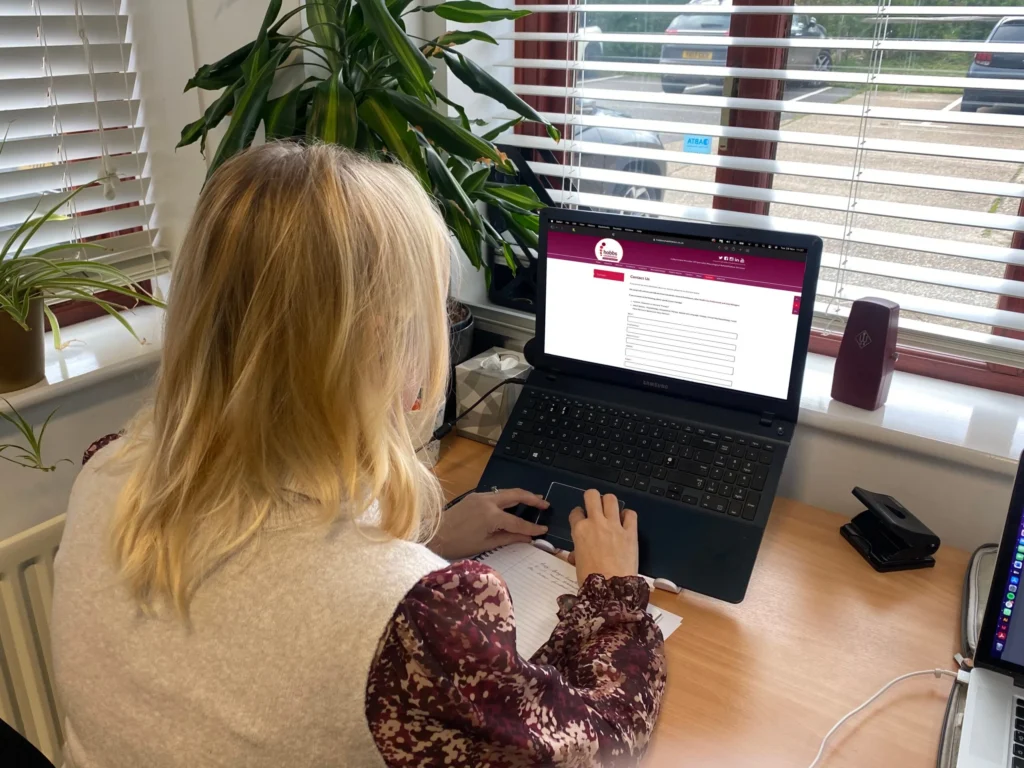
Patient entering details onto an enquiry form on a laptop
Enquire

Enquire today about any of our services or packages

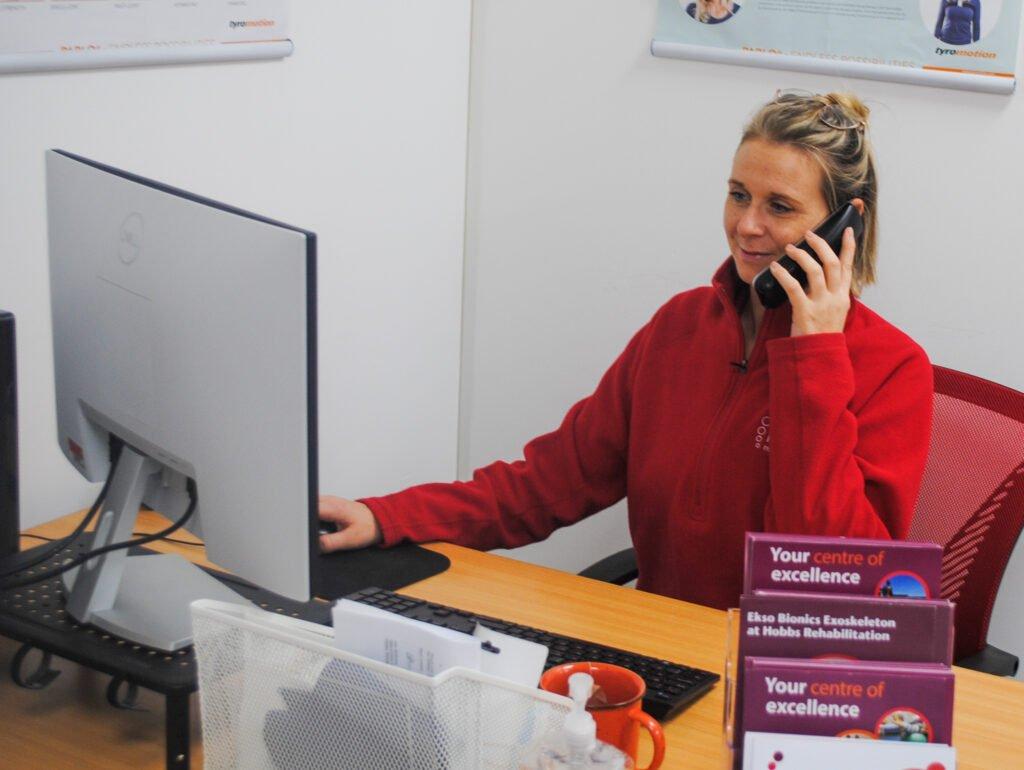
Therapist taking a telephone screening for Hobbs Rehabilitation
Screen

You will be contacted to determine your needs and assessment location

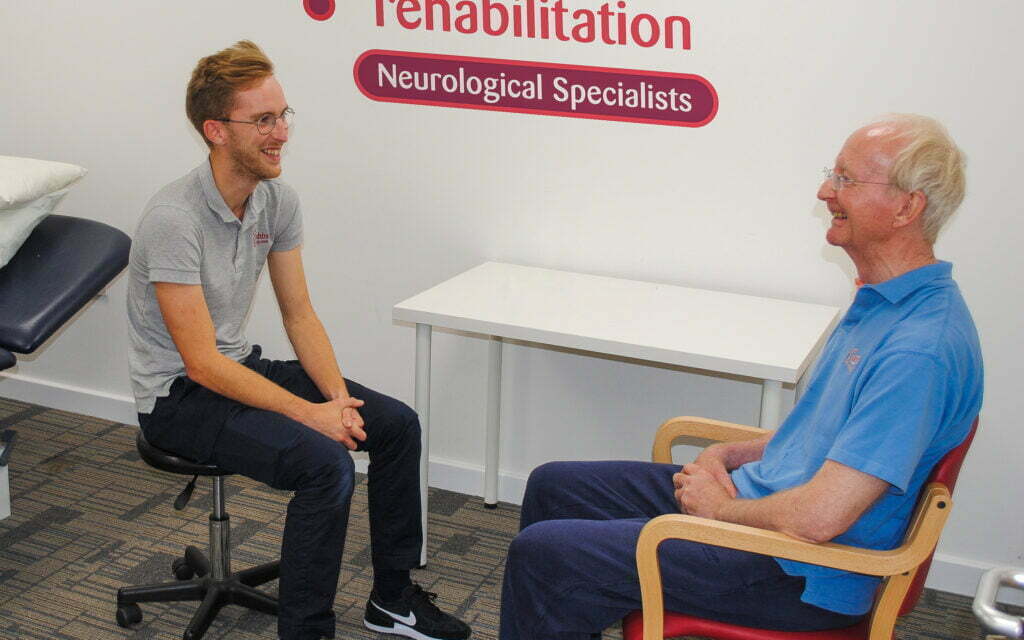
Patient sat with physiotherapist undergoing a Hobbs Rehabilitation assessment
Assess

Your therapist will recommend the best course of treatment

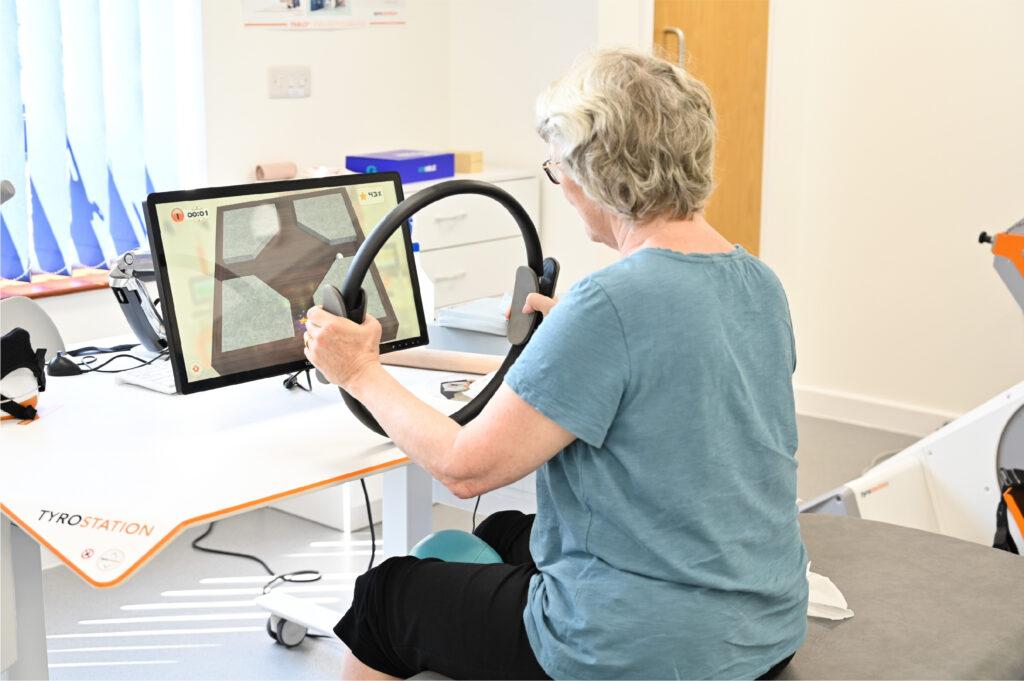
Patient on Tyromotions DIEGO as part of their neurotechnology rehabilitation
Treatment

Once you have booked you will be ready to start your treatment plan.