Clinical Neuropsychology explores the relationship between the brain, cognition, emotions and behaviour. Our specialist Clinical Neuropsychologists support people affected by neurological injury and complex conditions, helping them understand and manage cognitive difficulties, emotional changes and behavioural challenges to improve independence and quality of life.
Personalised Psychological Rehabilitation
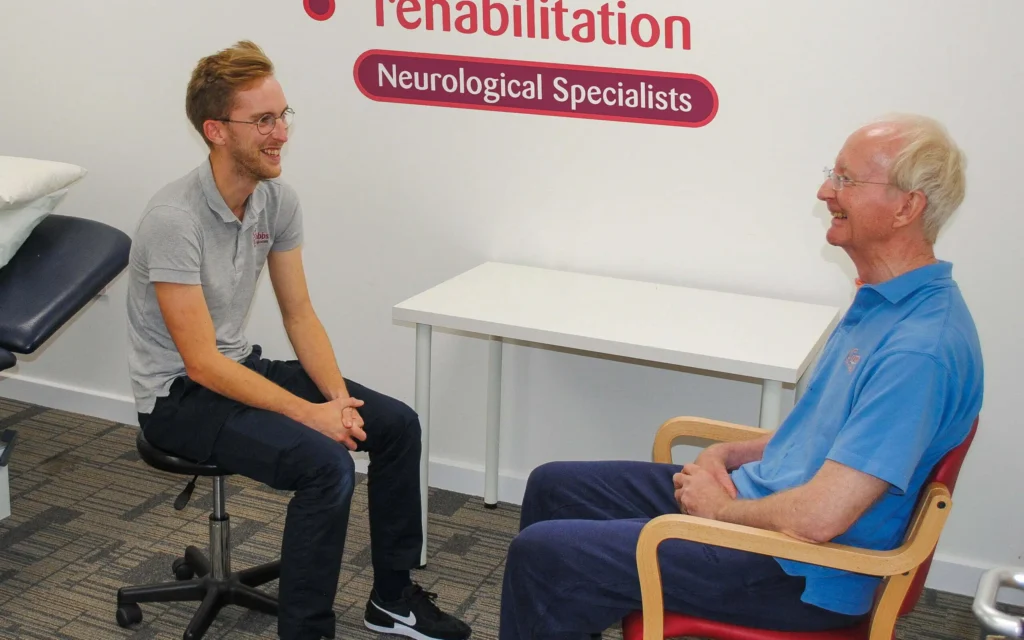
Our Clinical Neuropsychologists use evidence-based assessment and psychological approaches to understand how neurological conditions may affect your thinking, emotions, behaviour and everyday life. Treatment is personalised to your needs and goals and may involve individual therapy, cognitive rehabilitation, family or couple work, or collaboration with your wider multidisciplinary team.
Placing You at the Centre of Care
Hobbs Rehabilitation provides a multidisciplinary service to help ensure that every individual can reach their full potential. Discover our core multidisciplinary team or view all our services.
Depending on your needs, clinical neuropsychologymay form part of a wider rehabilitation programme and can include a combination of the following services and specialist interventions:
Amputee Rehabilitation
Rebuild, adapt, and thrive following amputation or traumatic injury.
Treatment is tailored to your individual needs and may combine cognitive assessment, psychological therapy, education and rehabilitation strategies.
Neuropsychological cognitive assessment
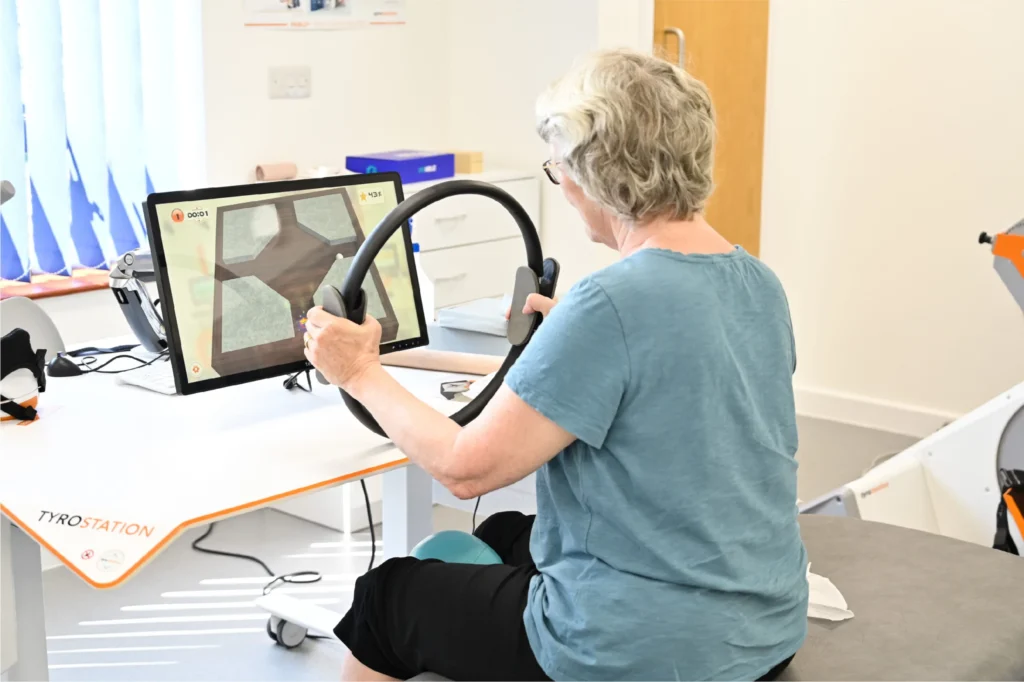
Cognitive rehabilitation
Psychological education
Individual psychological therapy
Emotional and behavioural support
Anxiety and low mood management
Adjustment and loss support
Persistent concussion symptom management
Multidisciplinary therapy support
Meet the Team
Our team is made up of highly experienced clinicians who are passionate about supporting people through their rehabilitation journey. Each member brings specialist knowledge, clinical expertise, and a patient-centred approach to their work.
Our case studies present real rehabilitation outcomes from Hobbs Rehabilitation, focusing on clinical progress, treatment approaches and measurable results.
We accept self-referrals and referrals from Case Managers, GPs, Consultants, medico-legal professionals, health and social care professionals and the charity sector, with this service available at the following Hobbs Rehabilitation centres:
Explore a range of common questions about clinical neuropsychology, and see how you may benefit from an assessment. If your question still isn’t answered, get in touch – contact us.
What can Clinical Neuropsychology help with?
Clinical Neuropsychology can support cognitive, emotional and behavioural difficulties associated with neurological conditions. This may include problems with memory and thinking, anxiety, low mood, adjustment difficulties, loss and grief, anger, low confidence, panic and relationship difficulties.
What is a neuropsychological cognitive assessment?
A neuropsychological cognitive assessment provides a detailed understanding of how neurological difficulties may be affecting thinking skills such as memory, attention, processing and problem-solving. The results can help inform rehabilitation strategies and, where appropriate, support return-to-work planning.
What does psychological therapy involve?
Psychological therapy provides an opportunity to understand the thoughts, emotions and behaviours that may be contributing to difficulties. Depending on your needs, therapy may be delivered individually, with a partner or family member, or alongside other members of your rehabilitation team.
Can Clinical Neuropsychology work alongside my other therapists?
Yes. Our Clinical Neuropsychologists work closely with physiotherapists, occupational therapists, speech and language therapists and other members of the multidisciplinary team to ensure psychological and cognitive needs are considered alongside physical and functional rehabilitation. With your consent, they can also liaise with relevant external healthcare professionals and third parties involved in your care, helping to coordinate recommendations and support across your wider rehabilitation.
What qualifications do Clinical Neuropsychologists at Hobbs Rehabilitation hold?
Hobbs Rehabilitation Clinical Neuropsychologists are all HCPC registered and have undergone or are about to complete the Qualification in Clinical Neuropsychology (QiCN) in addition to their doctoral-level training. The QiCN is generally considered the ‘gold standard’ in the profession and provides a standard of competence for practice. Completing this post-doctoral training enables our clinical neuropsychologists to join the Specialist Register of Clinical Neuropsychologists. Those with this qualification are typically known as Clinical Neuropsychologists, those without it are typically described as Clinical Psychologists in Neuropsychology.
Can Clinical Neuropsychology support my family?
Yes. Where appropriate, therapy and support can involve partners or family members. This can help improve understanding of cognitive, emotional and behavioural changes and develop strategies to support rehabilitation and relationships.
Can Clinical Neuropsychology help with returning to work?
Yes. Detailed neuropsychological cognitive assessments can help identify cognitive strengths and difficulties that may affect work. These findings can inform rehabilitation, strategies and recommendations to support a return to work or help someone manage their role more effectively.
How will my progress be monitored?
Your Clinical Neuropsychologist will review your progress throughout treatment and consider changes in relation to your individual goals. This may include reviewing cognitive difficulties, emotional well-being, behaviour and how effectively strategies are being used in everyday life.
Our Credentials
Hobbs Rehabilitation is proud to be recognised by leading organisations and professional bodies.
Our rehabilitation stories highlight individual experiences of recovery at Hobbs Rehabilitation, following personal journeys, goals and milestones to show the impact of therapy beyond clinical outcomes.