Supporting Communication, Swallowing and Everyday Participation
Our Speech and Language Therapists support people with difficulties affecting speech, language, communication, voice, cognition and swallowing following neurological injury or complex conditions. We work with you to understand how these difficulties affect your everyday life, identify your priorities and develop a personalised rehabilitation programme focused on the things that matter most to you.
Personalised Speech and Language Therapy
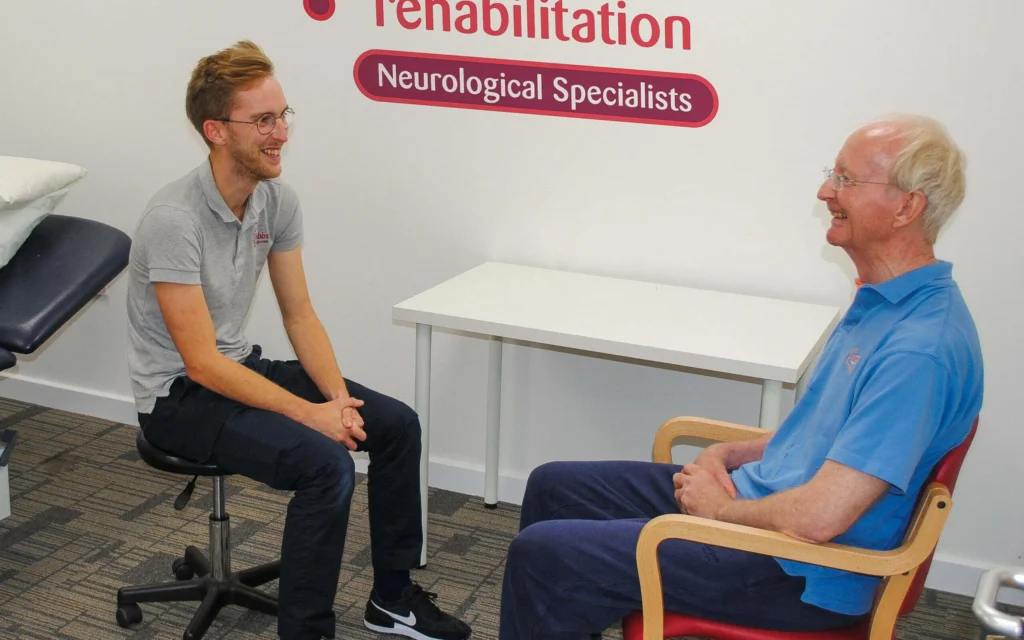
Our therapists use evidence-based assessment and intervention to understand your individual strengths and difficulties. Treatment may include 1:1 therapy, group sessions, communication strategies, functional practice, technology and education for family members, carers and other professionals.
Placing You at the Centre of Care
Hobbs Rehabilitation provides a multidisciplinary service to help ensure that every individual can reach their full potential. Discover our core multidisciplinary team or view all our services.
Depending on your needs, speech and language therapy may form part of a wider rehabilitation programme and can include a combination of the following services and specialist interventions:
Amputee Rehabilitation
Rebuild, adapt, and thrive following amputation or traumatic injury.
Speech and language difficulties can vary widely depending on an individual’s condition and needs. We tailor treatment plans to each person, focusing on their specific goals and supporting communication, independence, and everyday participation.
Dysathria
Apraxia of speech
Aphasia/dysphasia
Communication
Voice difficulties
Swallowing
Facial weakness
Speech clarity
Word-finding
Understanding language
Communication confidence
Augmentative and alternative communication (AAC)
Conditions We Treat
Our service can support people with a wide range of neurological, amputee and complex conditions, including but not limited to:
Treatment is tailored to your goals and may combine individual therapy, functional practice, communication strategies and technology to support progress in everyday life.
Speech and voice exercises
Language rehabilitation
Communication strategies
Swallowing rehabilitation
Functional communication practice
Cognitive-communication strategies
AAC assessment and support
Communication partner training
LSVT LOUD
Group therapy and courses
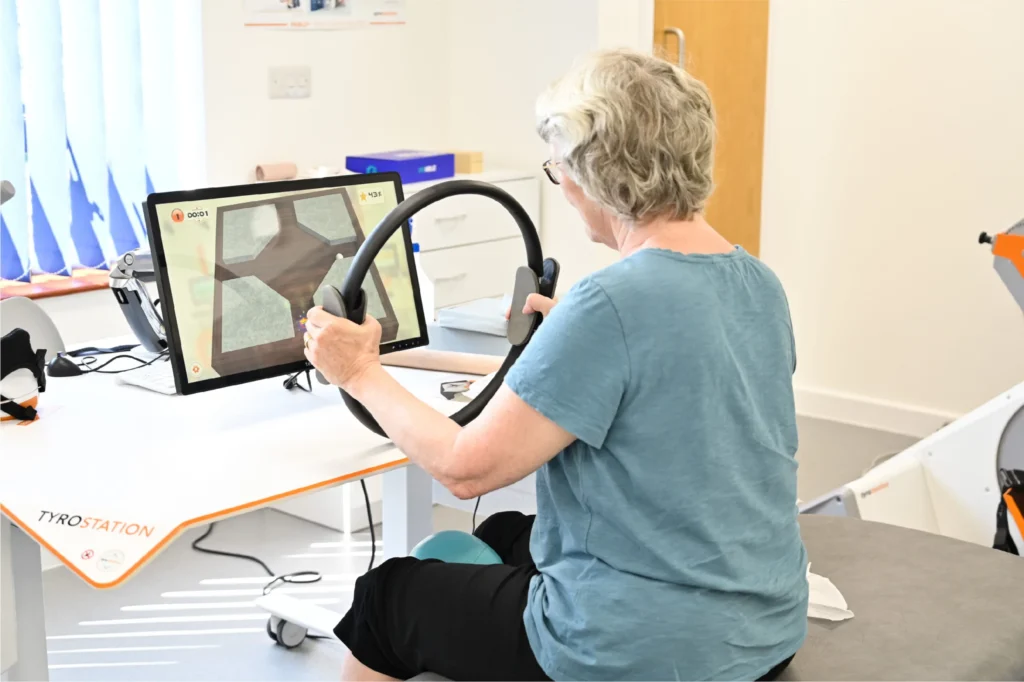
Computer-based therapy
Video-based therapy
Meet the Team
Our team is made up of highly experienced clinicians who are passionate about supporting people through their rehabilitation journey. Each member brings specialist knowledge, clinical expertise, and a patient-centred approach to their work.
Our case studies present real rehabilitation outcomes from Hobbs Rehabilitation, focusing on clinical progress, treatment approaches and measurable results.
We accept self-referrals and referrals from Case Managers, GPs, Consultants, medico-legal professionals, health and social care professionals and the charity sector, with this service available at the following Hobbs Rehabilitation centres:
Explore a range of common questions about Speech and Language therapy, and see how you may benefit from an assessment.
Who can I bring with me to my session?
We encourage you to involve your partner, family or carers where appropriate, as communication and swallowing can affect the people around you. They may provide useful information about your difficulties and can be involved in learning strategies, recommendations and home activities. At times, your therapist may also need to work with you individually to understand your abilities and difficulties.
How often will I have Speech and Language Therapy?
The frequency of your sessions depends on your individual difficulties, goals and rehabilitation needs. Some people attend weekly, while others may benefit from more frequent or less frequent sessions. We will agree an appropriate programme with you and may provide activities to practise between sessions. Where appropriate, more intensive rehabilitation may also be considered.
When will I improve, and how will my progress be measured?
The rate of progress varies depending on factors such as your condition, the nature of your difficulties, your goals and the amount of therapy you receive. We will regularly review your goals and monitor changes over time, using this information to guide your treatment and provide honest feedback about your progress.
What happens if I am not making measurable progress?
We will regularly review your goals and treatment programme. If progress is limited, we may consider changing the type or intensity of therapy, providing additional activities to complete at home or adjusting your goals. Where appropriate, we may also discuss other treatment approaches, research opportunities or clinical trials.
Can technology help with my communication or swallowing?
Yes. Neurotechnology can complement Speech and Language Therapy by increasing opportunities for practice and supporting specific rehabilitation goals. Depending on your needs, this may include technology for swallowing, respiratory muscle strength, speech, voice or language rehabilitation. Your therapist will recommend appropriate technology, apps or digital resources where they may benefit you.
Can Speech and Language Therapy help with communication difficulties such as aphasia or dysarthria?
Yes. Our Speech and Language Therapists assess and treat a wide range of communication difficulties, including speech, language, voice and cognitive-communication difficulties. They can help you develop strategies and practise skills that support communication in everyday situations.
Can Speech and Language Therapy support swallowing difficulties?
Yes. Detailed neuropsychological cognitive assessments can help identify cognitive strengths and difficulties that may affect work. These findings can inform rehabilitation, strategies and recommendations to support a return to work or help someone manage their role more effectively.
How will my progress be monitored?
Yes. Our therapists can assess swallowing difficulties and help identify where problems are occurring during eating and drinking. Treatment may include strategies, exercises and other appropriate interventions, alongside education and training for family members, carers and other professionals to support safe swallowing.
What do some of the Speech and Language Therapy terms mean?
Speech and Language Therapy covers a wide range of difficulties, and you may come across different terms when discussing your rehabilitation:
Dysarthria – difficulty speaking clearly due to weakness or reduced control of the muscles used for speech.
Apraxia of speech – difficulty planning and coordinating the movements needed to produce speech.
Aphasia/dysphasia – difficulty understanding or using language, which can affect speaking, reading, writing or understanding.
Cognitive communication difficulties – difficulties communicating due to changes in cognitive skills such as attention, memory, processing or organisation.
Dysphagia – difficulty swallowing food, drinks or saliva safely.
Voice difficulties – changes affecting the quality, volume or reliability of your voice.
AAC (Augmentative and Alternative Communication) – methods or communication aids that support or replace spoken communication.
Our Credentials
Hobbs Rehabilitation is proud to be recognised by leading organisations and professional bodies.
Our rehabilitation stories highlight individual experiences of recovery at Hobbs Rehabilitation, following personal journeys, goals and milestones to show the impact of therapy beyond clinical outcomes.