Rehabilitation Through Sport and ActivityRehabilitation Through Sport and Activity
Adaptive sports and activities can be incorporated into rehabilitation programmes across Hobbs Rehabilitation, using meaningful activities to help you work towards your individual goals. Our therapists can adapt familiar hobbies, sports and everyday activities to develop physical, cognitive and functional skills in ways that are engaging and relevant to you.
Activities Designed Around Your Goals
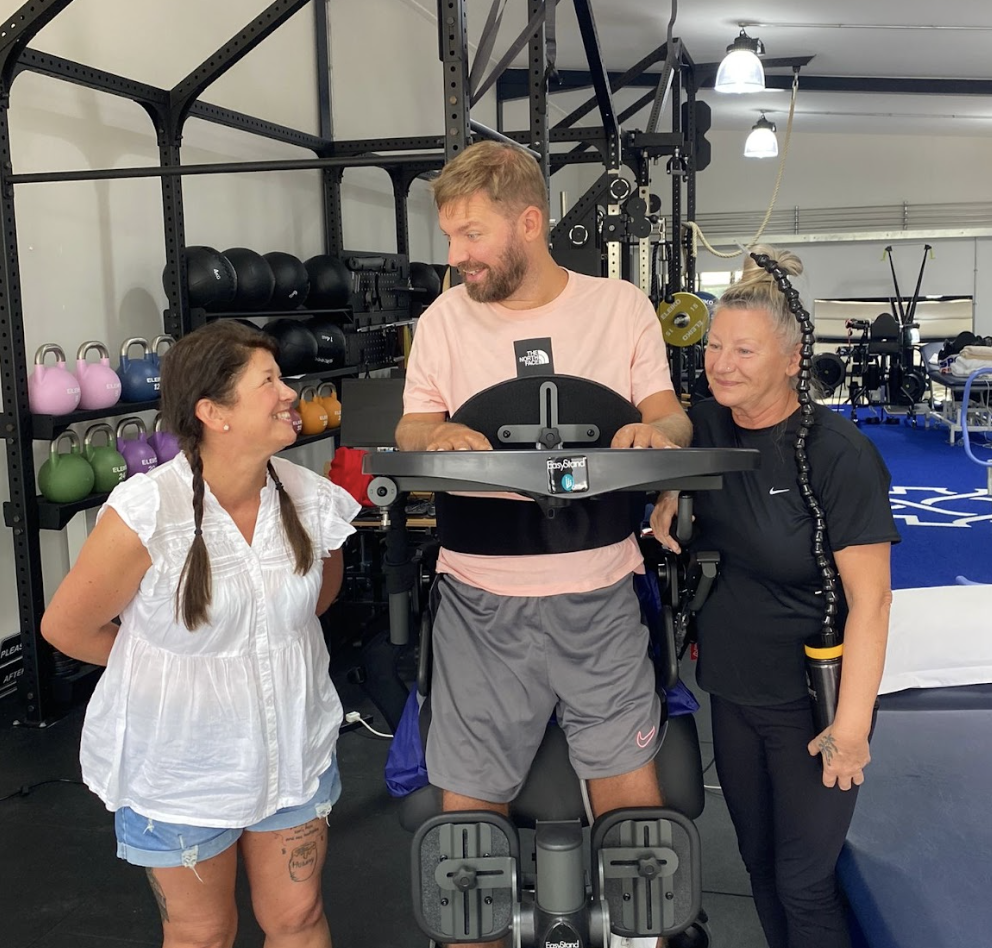
Adaptive activity is not limited to formal sports. Across our centres, therapists can use everyday tasks, hobbies and activities within therapy or the local community to practise specific skills. This might involve working on grip and upper-limb control to support a return to golf, practising mobility in the community, or developing balance and coordination through an activity you enjoy.
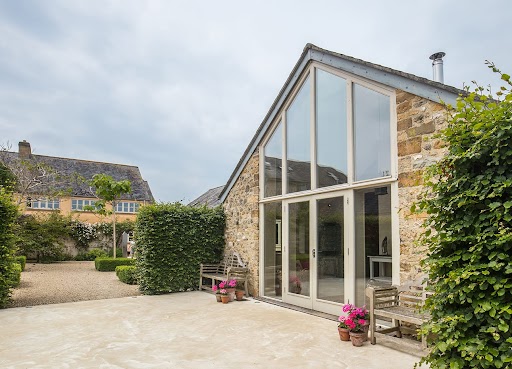
At Chedington, our extensive facilities and outdoor environment provide additional opportunities to incorporate adaptive sport and adventure activities into rehabilitation. This includes a wide range of activities that can be adapted around your abilities, interests and rehabilitation goals.
Placing You at the Centre of Care
Hobbs Rehabilitation provides a multidisciplinary service, bringing together disciplines that may contribute to your rehabilitation.
Occupational Therapy
Regain control over your life at home, work and everywhere else
Value-Based Rehabilitation Using Activities & Sports
We use a range of activities and sports to support individual goals, adapting familiar activities or introducing new ones. These are just some examples; we’re happy to explore other ideas with you.
Air Rifle Shooting
Develop breath control, postural stability and fine motor accuracy with air rifle shooting.
Archery
Build focus, control and shoulder stability through archery practice.
Arts & Craft
Let your creative side flourish with arts & crafts while developing fine motor skills, coordination and concentration.
Bushcraft
Put practical outdoor skills to the test while building problem-solving and resilience.
Cycling
From experienced to beginners, improve lower limb conditioning and independence using adaptive bikes.
Equine Therapy
Improve balance, postural control and confidence with our horses at Chedington.
Gardening
Our outside spaces provide the perfect environment to develop fine motor skills and sensory engagement.
Fishing
Promote patience, concentration and sensory awareness through fishing in calm environments.
Paddleboarding
Improve balance and coordination through paddleboarding in our hydrotherapy pool or open water.
Rock Climbing
Build strength, planning skills and grip endurance through progressive climbing challenges.
Swimming
Whether in a hydrotherapy pool or open water, swimming supports strength, mobility and breathing control.
Surfing
Improve balance, reaction timing and core strength through surfing activities.
Trail Walking
Support cardiovascular fitness, mobility and mental well-being through trail walking.
Woodwork
Develop fine motor skills, strength and planning ability through practical woodwork projects.
How Our Expert Team Can Assist You
Adaptive sports and activities can provide a range of benefits, supporting physical function, confidence, independence, participation and quality of life
Build strength and fitness
Improve balance and coordination
Develop functional skills
Improve mobility and independence
Build confidence
Develop postural control
Improve fine motor skills
Develop planning and problem-solving
Practise real-world activities
Support community participation
Return to sport and hobbies
Explore new activities
Conditions We Treat
Our service can support people with a wide range of neurological, amputee and complex conditions, including but not limited to:
Activities are selected according to your individual goals, interests and abilities. Depending on your rehabilitation programme and location, this may include:
Functional task practice
Activity-specific practice
Community-based activities
Sport-specific rehabilitation
Upper-limb skill practice
Grip and coordination activities
Mobility and walking practice
Balance and postural activities
Wheelchair skills
Outdoor rehabilitation
Adaptive sports
Hobbies and leisure activities
Meet the Team
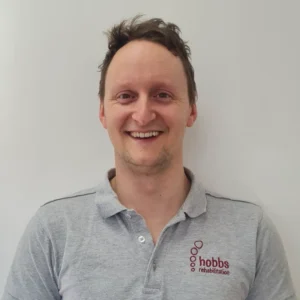
Our team is made up of highly experienced clinicians who are passionate about supporting people through their rehabilitation journey. Each member brings specialist knowledge, clinical expertise, and a patient-centred approach to their work.
Our case studies present real rehabilitation outcomes from Hobbs Rehabilitation, focusing on clinical progress, treatment approaches and measurable results.
We accept self-referrals and referrals from Case Managers, GPs, Consultants, medico-legal professionals, health and social care professionals and the charity sector, with this service available at the following Hobbs Rehabilitation centres:
Explore a range of common questions and see how you may benefit from an assessment. If your question still isn’t answered, get in touch – contact us.
What is adaptive sport and activity?
Adaptive sport and activity involves modifying sports, hobbies or everyday activities to make them appropriate for an individual’s abilities and rehabilitation goals. At Hobbs Rehabilitation, these activities can be used to develop physical, cognitive and functional skills as part of your wider rehabilitation.
Can adaptive activities be used at all Hobbs centres?
Yes. The same approach can be incorporated into rehabilitation across our centres, although the activities and facilities available vary by location. Therapists may use everyday tasks, hobbies, therapy activities or the local community to help you work towards your goals.
Do I need to be returning to a sport to benefit?
No. Activities do not have to be related to a specific sport. Your therapist may use a hobby, everyday activity or practical task because it provides a meaningful way to practise a particular skill.
Can activities be incorporated into my existing rehabilitation programme?
Yes. Adaptive activities can be incorporated into Physiotherapy, Occupational Therapy and other rehabilitation programmes where appropriate. Your therapist will select or adapt activities that support your individual goals.
Can I practise activities in the community?
Where appropriate, your rehabilitation may include activities in the local community. This can provide an opportunity to practise mobility, confidence, independence and other functional skills in real-world environments.
What activities are available at Chedington?
Chedington offers a particularly wide range of adaptive sports and outdoor activities. Depending on your programme and individual needs, these may include cycling, archery, air rifle shooting, equine activities, fishing, gardening, paddleboarding, rock climbing, swimming, surfing, trail walking, bushcraft, woodwork and other activities.
Can I return to a sport or hobby I enjoyed before my injury?
Yes. Where appropriate, your therapists can adapt rehabilitation around activities that are meaningful to you. This may involve practising specific skills within therapy before progressing towards the activity itself.
Can I try a new activity as part of my rehabilitation?
Yes. Rehabilitation can provide an opportunity to explore new activities and develop confidence, physical skills and independence in a supportive environment.
Our Credentials
Hobbs Rehabilitation is proud to be recognised by leading organisations and professional bodies.
Our rehabilitation stories highlight individual experiences of recovery at Hobbs Rehabilitation, following personal journeys, goals and milestones to show the impact of therapy beyond clinical outcomes.