Additional support and practice to help you make progress towards your rehabilitation goals.
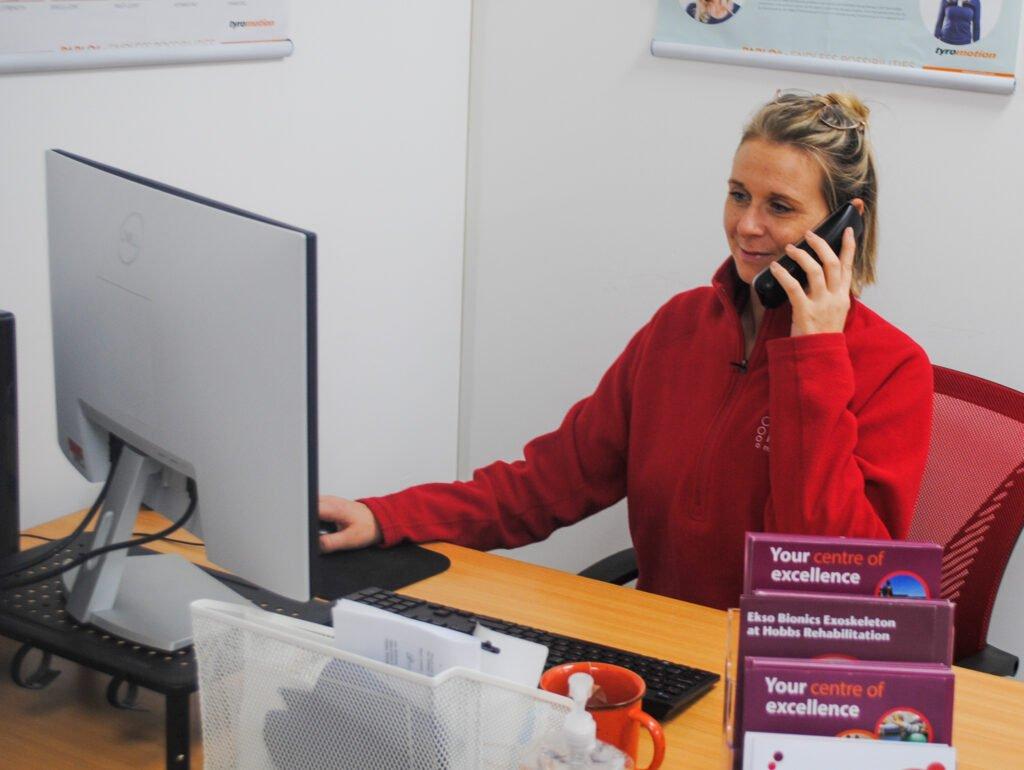
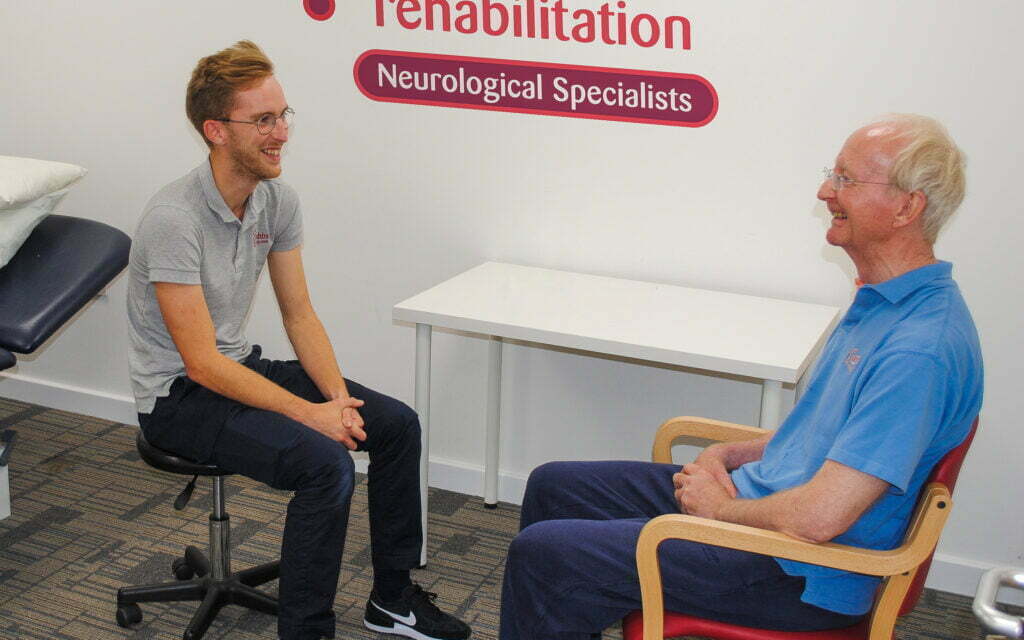
Rehabilitation Assistants work alongside our physiotherapists, occupational therapists and speech and language therapists to provide additional support throughout a client’s rehabilitation. They can support therapy sessions directly or carry out personalised programmes created by the treating therapist, helping patients practise movements, exercises and functional activities between therapy sessions.
Why is repetition important in rehabilitation?
Repetition gives the body and brain more opportunities to practise and reinforce movement and functional skills. Regular, purposeful practice can help build strength, endurance, coordination, confidence and independence. Rehabilitation Assistants provide additional opportunities for this practice, helping patients work towards the goals established with their clinical team.
How can Rehabilitation Assistants support your rehabilitation?
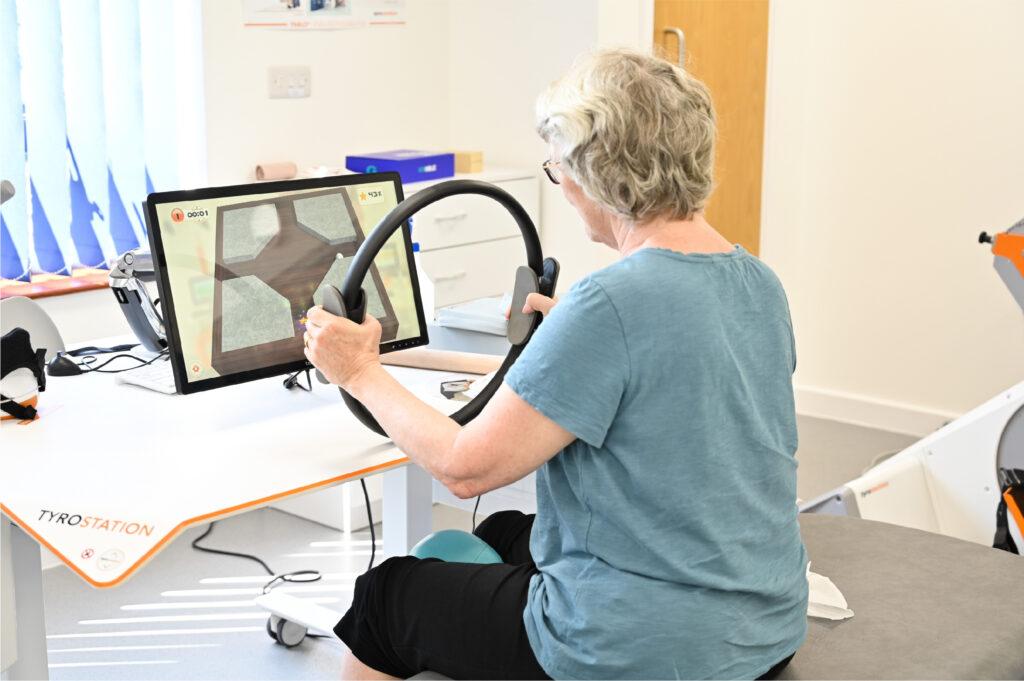
Rehabilitation Assistant support can be tailored to a wide range of rehabilitation goals. This may include improving strength, endurance, mobility, balance, stability and confidence, as well as practising everyday activities and functional movements. Support may include bespoke exercise programmes, exercise classes, gentle stretches, movement practice and activities designed to help patients transfer their therapy into everyday life.
What does a Rehabilitation Assistant do?
Rehabilitation Assistants work under the guidance of the treating clinical team. They may provide additional support during therapy sessions, carry out therapist-led exercise programmes, or provide an extra pair of hands and eyes when a patient requires additional assistance with movement or positioning. They receive training to develop their understanding of movement and rehabilitation and provide feedback to therapists on progress, challenges or changes that may inform future programmes.
Rehabilitation Assistant support at Hobbs Rehabilitation
At Hobbs Rehabilitation, Rehabilitation Assistants can support patients across inpatient, intensive, outpatient and home-based rehabilitation. Support can be provided in our clinics, care homes, hospitals, gyms, patients’ homes and other appropriate environments. Programmes are personalised to individual goals and regularly reviewed by the clinical team, with outcome measures used where appropriate to monitor progress and adapt support over time. Rehabilitation Assistants can also help patients practise skills in real-world situations, such as walking in the community, shopping or completing everyday activities, helping to build confidence and independence.
Let's Get Started
We accept self-referrals and referrals from Case Managers, GPs, Consultants, medico-legal professionals, health and social care professionals and the charity sector, with this service available at the following Hobbs Rehabilitation centres:
Explore a range of common questions about clinical neuropsychology, and see how you may benefit from an assessment. If your question still isn’t answered, get in touch – contact us.
What qualifications do Clinical Neuropsychologists at Hobbs Clinical Neuropsychologists hold?
Hobbs Rehabilitation Clinical Neuropsychologists are all HCPC registered and have undergone or are about to complete the Qualification in Clinical Neuropsychology (QiCN) in addition to their doctoral-level training. The QiCN is generally considered the ‘gold standard’ in the profession and provides a standard of competence for practice. Completing this post-doctoral training enables our clinical neuropsychologists to join the Specialist Register of Clinical Neuropsychologists. Those with this qualification are typically known as Clinical Neuropsychologists, those without it are typically described as Clinical Psychologists in Neuropsychology.
Our Credentials
Hobbs Rehabilitation is proud to be recognised by leading organisations and professional bodies.