Guillain-Barré syndrome (GBS) is a condition affecting the peripheral nervous system, in which the body’s immune system mistakenly attacks the nerves outside the brain and spinal cord. It can cause weakness, altered sensation, pain and difficulties with movement, balance and everyday activities, with symptoms and recovery varying considerably from person to person.
Our specialist rehabilitation team provides personalised assessment and treatment throughout recovery from GBS. Rehabilitation is tailored to your individual symptoms, abilities and goals, with the focus adapted as your needs change.
Recovery from GBS can involve different stages, from managing weakness and maintaining movement through to rebuilding strength, mobility and independence. Our multidisciplinary team can provide Physiotherapy, Occupational Therapy, Speech and Language Therapy and Clinical Neuropsychology where appropriate, working together to address the physical, functional, communication and psychological effects of GBS.
Neurological physiotherapy plays a crucial role in the management and recovery of individuals with Guillain-Barré syndrome. Since Guillain-Barré syndrome often leads to muscle weakness, loss of coordination, and mobility difficulties, physiotherapy can help maintain or improve muscle function, restore mobility, and enhance overall quality of life. Here are some key aspects of physiotherapy for Guillain-Barré syndrome:
It’s important to note that the approach to physiotherapy for Guillain-Barré syndrome should be individualised and based on the person’s specific needs, capabilities, and stage of recovery. Working closely with a knowledgeable physiotherapist is crucial to ensure safe and effective rehabilitation. Additionally, the overall multidisciplinary therapy team, which may include occupational therapists, speech and language therapists and clinical neuropsychologists, will collaborate to provide comprehensive care for individuals with Guillain-Barré syndrome.
Occupational therapy is another important component of the rehabilitation process for individuals with Guillain-Barré syndrome. Occupational therapists focus on helping individuals regain their ability to perform daily activities and tasks, enhancing their overall quality of life and functional independence. Here’s how occupational therapy can assist individuals with Guillain-Barré syndrome:
The ultimate goal of occupational therapy for Guillain-Barré syndrome is to help individuals regain the skills and confidence needed to participate in meaningful activities and lead a fulfilling life. Collaboration between occupational therapists, physiotherapists, speech and language therapists and clinical neuropsychologists is essential to provide comprehensive care and promote the best possible outcomes for individuals with Guillain-Barré syndrome.
Speech and language therapy can be beneficial for individuals with Guillain-Barré syndrome if the condition has affected their ability to speak, swallow, or communicate effectively. While Guillain-Barré syndrome primarily affects the peripheral nervous system, severe cases can sometimes involve cranial nerves that are responsible for speech and swallowing functions. Here’s how speech and language therapy can assist individuals with Guillain-Barré syndrome:
Assessment of Speech and Swallowing: Speech and language therapists assess the individual’s speech and swallowing abilities. This assessment helps determine the specific challenges and areas of impairment related to Guillain-Barré syndrome.
Dysarthria Treatment: Dysarthria is a motor speech disorder that can occur due to muscle weakness, reduced coordination, and other neurological factors. Speech and language therapists work on improving articulation, voice quality, and overall speech intelligibility through targeted exercises and techniques.
Swallowing Rehabilitation: Guillain-Barré syndrome can lead to difficulties in swallowing, also known as dysphagia. Speech and language therapists evaluate the individual’s swallowing function and design exercises and strategies to improve safety and efficiency during eating and drinking.
Vocal Rehabilitation: Individuals with Guillain-Barré syndrome may experience changes in their voice quality or pitch due to muscle weakness affecting the vocal cords. Speech and language therapists provide vocal exercises and techniques to address these issues and promote vocal health.
Communication Strategies: If speaking is challenging or not possible, speech and language therapists work with individuals to develop alternative communication methods. This may involve using communication boards, gestures, writing, or augmentative and alternative communication devices.
Cognitive Communication Therapy: Guillain-Barré syndrome can sometimes impact cognitive functions such as memory, attention, and problem-solving, which can affect communication. Speech and language therapists provide cognitive-communication therapy to address these cognitive challenges and enhance communication abilities.
Swallowing Techniques and Exercises: Speech and language therapists teach individuals specific exercises and techniques to improve swallowing function. These may include exercises to strengthen the muscles involved in swallowing and strategies to prevent aspiration (food or liquids entering the airway).
Safe Oral Intake Strategies: In cases of severe dysphagia, a speech and language therapist may recommend modified food and liquid consistencies to ensure safe swallowing. This might involve consuming thickened liquids or soft, easily manageable foods.
Breathing and Voice Control: Guillain-Barré syndrome can impact respiratory muscles, which can affect breathing and voice production. Speech and language therapists provide exercises to improve breath control and support for speech and voice.
Training: For individuals who are unable to speak, Speech and language therapists assist in selecting, implementing, and training on the use of augmentative and alternative communication devices. These devices can range from simple picture communication boards to sophisticated electronic communication devices.
Education: Speech and language therapists provide education and support to individuals and their families, helping them understand the communication and swallowing challenges associated with Guillain-Barré syndrome and providing strategies for coping and managing these challenges.
Speech and language therapy aims to improve communication, swallowing safety, and overall quality of life for individuals with Guillain-Barré syndrome. The therapy is tailored to the individual’s specific needs, and the speech and language therapist’s expertise plays a crucial role in helping individuals regain their ability to communicate effectively and manage swallowing difficulties. Collaboration between speech and language therapists, and our wider multidisciplinary team is essential to provide comprehensive care and promote the best possible outcomes for individuals with Guillain-Barré syndrome.
Clinical neuropsychology plays a significant role in assessing and addressing the cognitive and psychological effects of Guillain-Barré syndrome. Guillain-Barré syndrome, particularly in severe cases, can lead to various neurological and cognitive challenges that impact cognitive functions, emotions, and overall psychological well-being. Clinical neuropsychologists specialize in evaluating and treating these cognitive and emotional changes. Here’s how clinical neuropsychology is relevant to Guillain-Barré syndrome:
Cognitive Assessment: Clinical neuropsychologists conduct comprehensive cognitive assessments to evaluate the individual’s cognitive strengths and weaknesses. This assessment includes tests that measure various cognitive domains such as memory, attention, executive functions, language, and visuospatial skills.
Identifying Cognitive Impairments: Guillain-Barré syndrome can sometimes lead to cognitive impairments such as memory problems, difficulties with concentration and attention, language deficits, and changes in problem-solving abilities. Clinical neuropsychologists identify these impairments and provide insights into how they affect daily functioning.
Treatment Planning: Based on the cognitive assessment results, clinical neuropsychologists develop individualized treatment plans. These plans may include cognitive rehabilitation strategies aimed at improving specific cognitive deficits, such as memory training exercises or attention-enhancing techniques.
Cognitive Rehabilitation: Clinical neuropsychologists work with individuals to design and implement cognitive rehabilitation programs. These programs consist of structured exercises and techniques that help individuals compensate for cognitive deficits and improve cognitive functioning over time.
Psychological Education: Clinical neuropsychologists provide education to individuals and their families about the cognitive changes associated with Guillain-Barré syndrome. This education helps individuals better understand their cognitive challenges and empowers them to develop effective coping strategies.
Emotional and Psychological Assessment: Guillain-Barré syndrome can have emotional and psychological impacts, including anxiety, depression, and adjustment difficulties. Clinical neuropsychologists assess the individual’s emotional well-being and provide recommendations for managing these psychological challenges.
Psychotherapy: For individuals experiencing emotional distress as a result of GBS, clinical neuropsychologists may offer psychotherapy to address issues such as anxiety, depression, and adjustment to the changes brought about by the condition.
Behavioural Interventions: Clinical neuropsychologists can assist individuals in developing behavioural strategies to manage cognitive challenges and emotional difficulties. These strategies may include time management techniques, stress reduction methods, and relaxation exercises.
Family Support: Clinical neuropsychologists often involve family members in the treatment process, helping them understand the cognitive and psychological changes their loved one is experiencing and providing guidance on how to provide effective support.
Collaboration: Clinical neuropsychologists collaborate with our wider therapy team to ensure comprehensive care for individuals with Guillain-Barré syndrome. This multidisciplinary approach helps address the various aspects of the individual’s condition.
Long-Term Monitoring: Clinical neuropsychologists may conduct follow-up assessments to track cognitive changes over time and adjust treatment strategies as needed.
In summary, clinical neuropsychology focuses on evaluating and managing the cognitive and psychological effects of Guillain-Barré syndrome. By addressing cognitive deficits and emotional challenges, clinical neuropsychologists play a crucial role in improving the overall quality of life and well-being of individuals who have experienced Guillain-Barré syndrome.

The effects of GBS can vary considerably and may change throughout recovery. Our team can support you to:
Hobbs Rehabilitation provides a multidisciplinary service to help ensure that every individual can reach their full potential.
Depending on your needs, brain injury rehabilitation may include a combination of the following services and specialist programmes:


Your rehabilitation programme is tailored to your needs, goals and circumstances, and may involve one or more disciplines depending on your requirements.
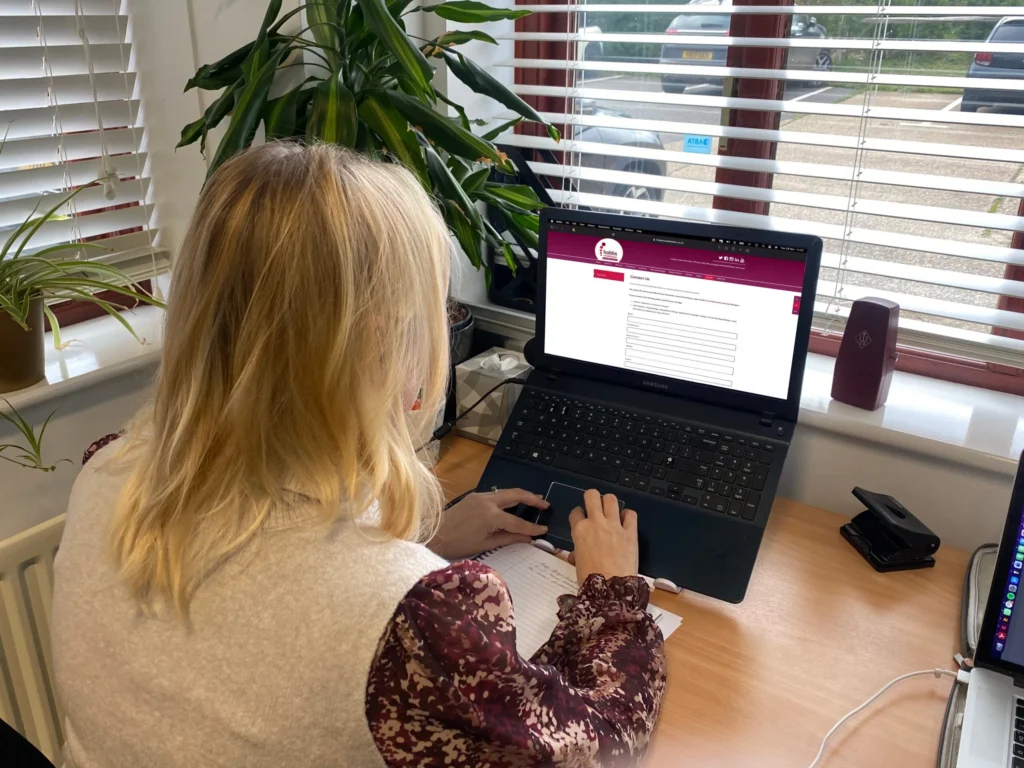
Enquire today about any of our services or packages
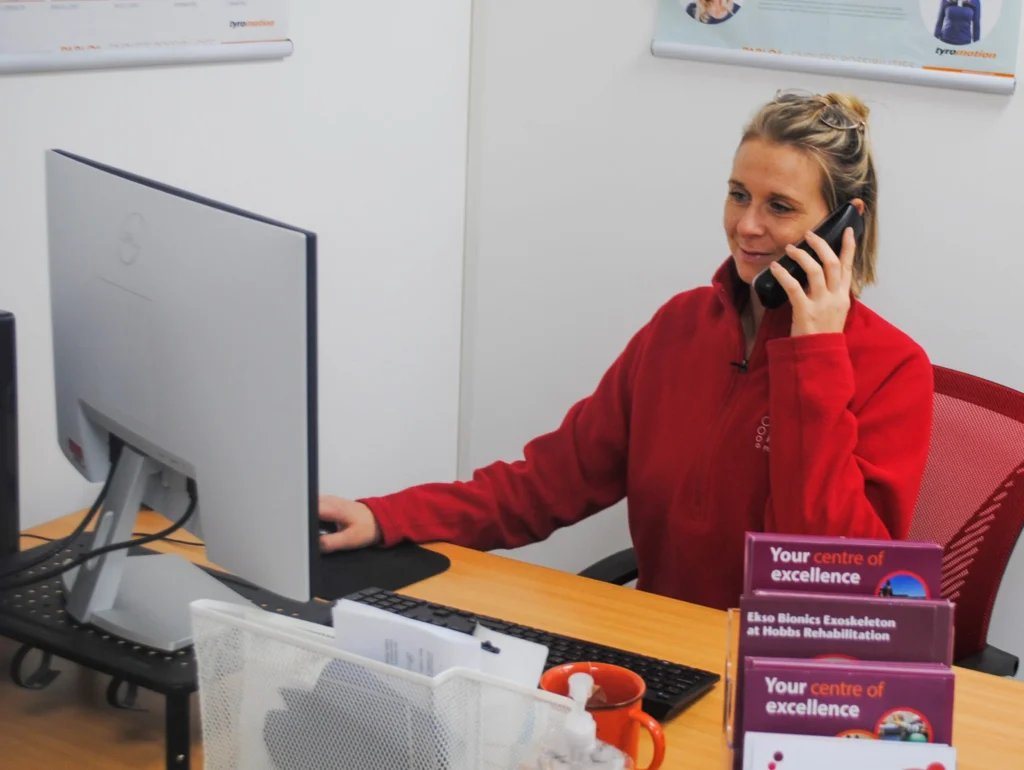
You will be contacted to determine your needs and assessment location
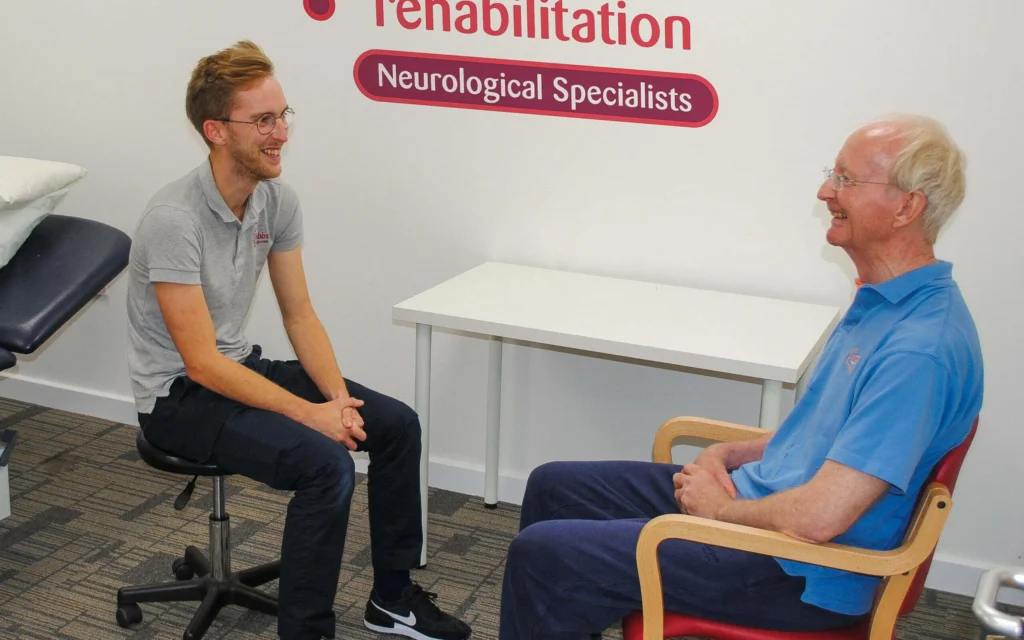
Your therapist will recommend the best course of treatment
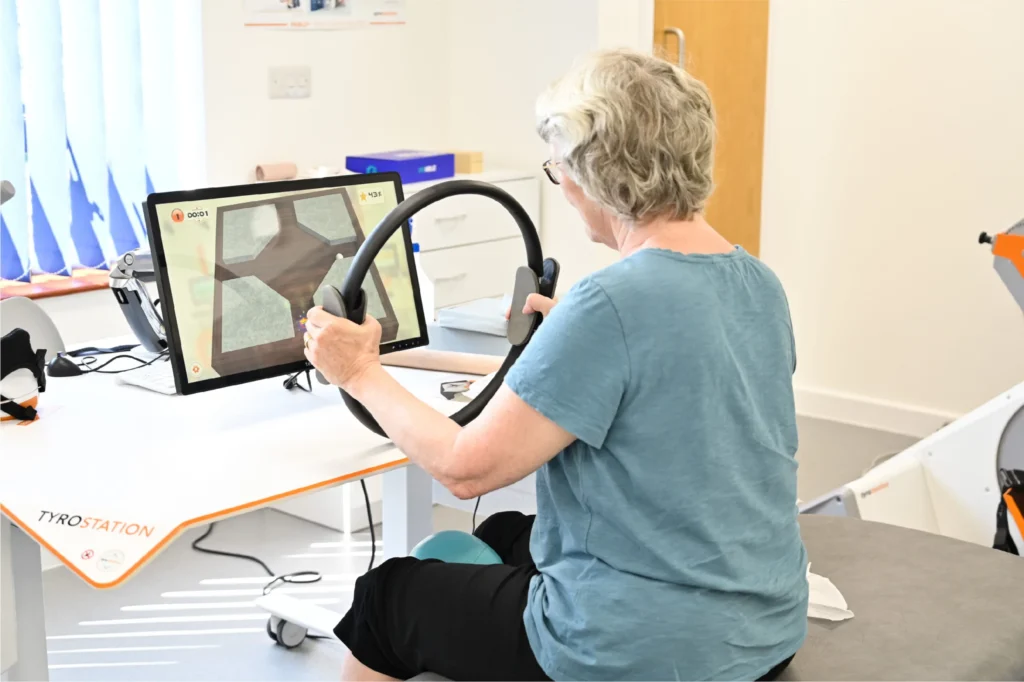
Once you have booked you will be ready to start your treatment plan.
Our team is made up of highly experienced clinicians who are passionate about supporting people through their rehabilitation journey. Each member brings specialist knowledge, clinical expertise, and a patient-centred approach to their work.
Join our research trials - open to all, including non-Hobbs patients.
We provide flexible rehabilitation options tailored to your needs, goals and circumstances.


We accept self-referrals and referrals from Consultants, General Practitioners, other Health Care Professionals and Case Managers, at the following Hobbs Rehabilitation centres for this condition:
Alternatively, call us on 01962 779796 to talk with our team or fill out our enquiry form on our contact page.
Explore a range of common questions and see how you may benefit from an assessment. If your question still isn’t answered, get in touch – contact us.
Guillain-Barré syndrome is an autoimmune condition affecting the peripheral nervous system. It occurs when the immune system mistakenly attacks peripheral nerves, which can affect movement, sensation and other functions.
Symptoms can include muscle weakness, altered sensation, tingling, pain, fatigue, balance difficulties and problems with walking. More severe cases can affect breathing, swallowing and communication. Symptoms and their severity vary between individuals.
Rehabilitation can help you maintain and develop physical function, improve mobility and independence, manage fatigue and pain, and work towards your individual goals throughout recovery.
This depends on your individual needs. Some people may benefit from a single specialist therapy, while others may require input from several members of our multidisciplinary team.
Rehabilitation can support the recovery of walking and functional mobility following GBS. Your programme will be based on your current abilities and goals, with walking practice and mobility training progressed as appropriate.
Fatigue is common following GBS and rehabilitation needs to be appropriately graded. Your therapists can help you balance activity and rest, manage energy levels and gradually build your activity tolerance without exceeding your individual capacity.
Yes. GBS can affect the muscles involved in speech and swallowing, particularly in more severe cases. A Speech and Language Therapist can assess these difficulties and provide appropriate rehabilitation and strategies where needed.
Depending on your needs and circumstances, rehabilitation may be available at home, as an outpatient or as part of an inpatient rehabilitation programme.
Our Credentials
Hobbs Rehabilitation is proud to be recognised by leading organisations and professional bodies.






Our rehabilitation stories highlight individual experiences of recovery at Hobbs Rehabilitation, following personal journeys, goals and milestones to show the impact of therapy beyond clinical outcomes.
Don’t just take our word for it – take theirs.