Placing You at the Centre of Care

Search

Neurotechnology

PABLO®

Sensor-based rehabilitation devices enable precise measurement and interactive training of upper limb movement, supporting targeted recovery through repetitive, feedback-driven exercises.
What is the PABLO®?
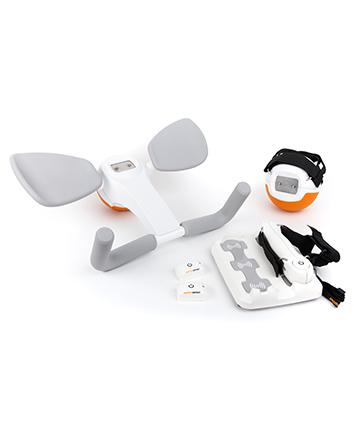
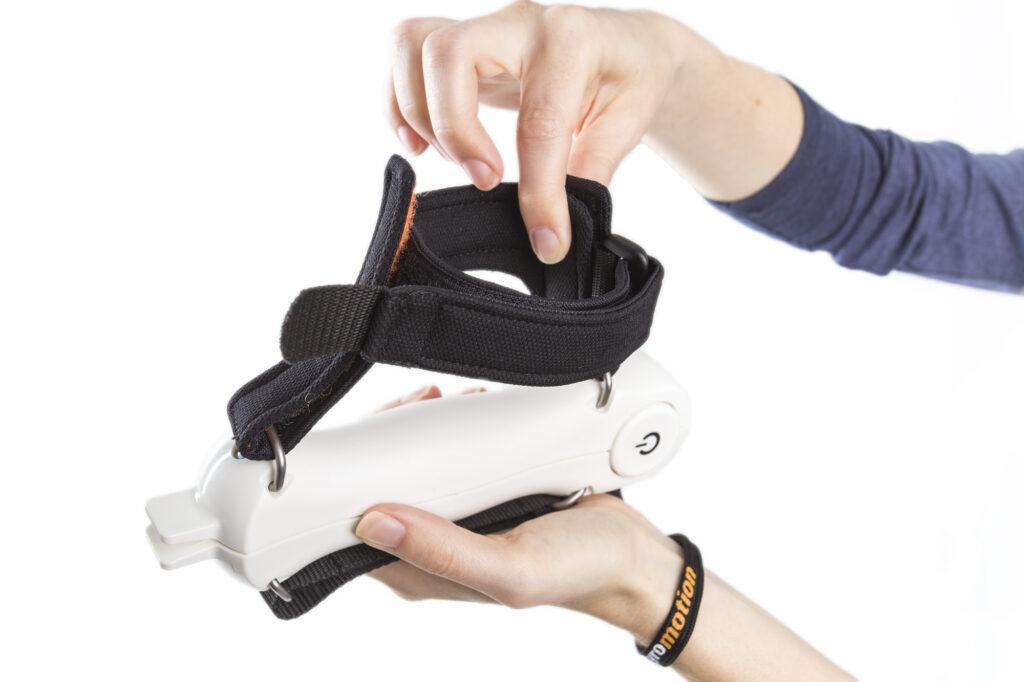
PABLO, developed by Tyromotion, is a versatile sensor-based system used in upper limb neurorehabilitation. It combines a handheld grip device with motion sensors to assess and train strength, coordination, and range of motion across the hand, arm, shoulder, and trunk. The handheld component measures grip strength and different types of grasps, including pinch, lateral, three-point, and interdigital grips, while additional sensors can be positioned on the body or objects to track movement. PABLO can be used for both unilateral and bilateral training and incorporates interactive therapy games to encourage engagement and repetitive, goal-oriented practice. It is suitable for individuals with neurological conditions such as stroke, traumatic brain injury, and spinal cord injury, and can be used across a wide range of rehabilitation settings.
How does sensor-based feedback improve upper limb rehabilitation outcomes?
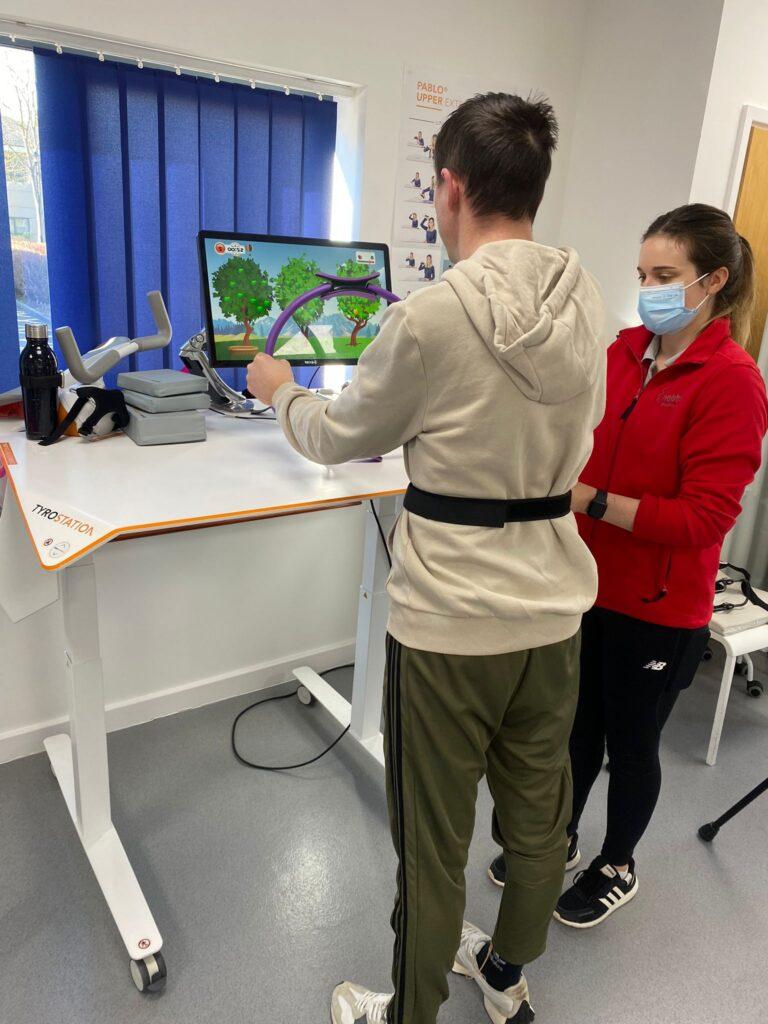
Sensor-based feedback allows clinicians and patients to accurately measure performance in real time, including grip strength, movement quality, and range of motion. This objective data enables therapy to be tailored to the individual’s abilities and progress, while also providing immediate visual or game-based feedback to guide movement. By combining measurement with interactive training, patients are encouraged to repeat targeted movements with appropriate intensity and control, which supports motor learning, improves engagement, and helps drive improvements in strength, coordination, and functional use of the upper limb.
PABLO is used for individuals with upper limb impairments resulting from neurological conditions such as stroke, traumatic brain injury, and spinal cord injury. It supports rehabilitation of grip strength, dexterity, coordination, and range of motion across the hand, arm, shoulder, and trunk. The system enables both unilateral and bilateral training and can be adapted to a wide range of functional goals, such as improving the ability to grasp and release objects, perform coordinated arm movements, and support independence in daily activities. It is suitable for both adults and children and can be integrated into inpatient, outpatient, and intensive rehabilitation programmes.
PABLO uses a combination of a handheld grip device and motion sensors to measure force and movement. The handheld component assesses different grip types, including pinch, lateral, three-point, and interdigital grips, while additional sensors can be placed on the body or external objects to track movement patterns. These sensors provide real-time data that can be used for both assessment and training purposes. The system integrates with interactive therapy games that respond to the user’s inputs, encouraging repetitive practice and allowing therapists to individualise exercises based on specific movement goals and functional requirements.
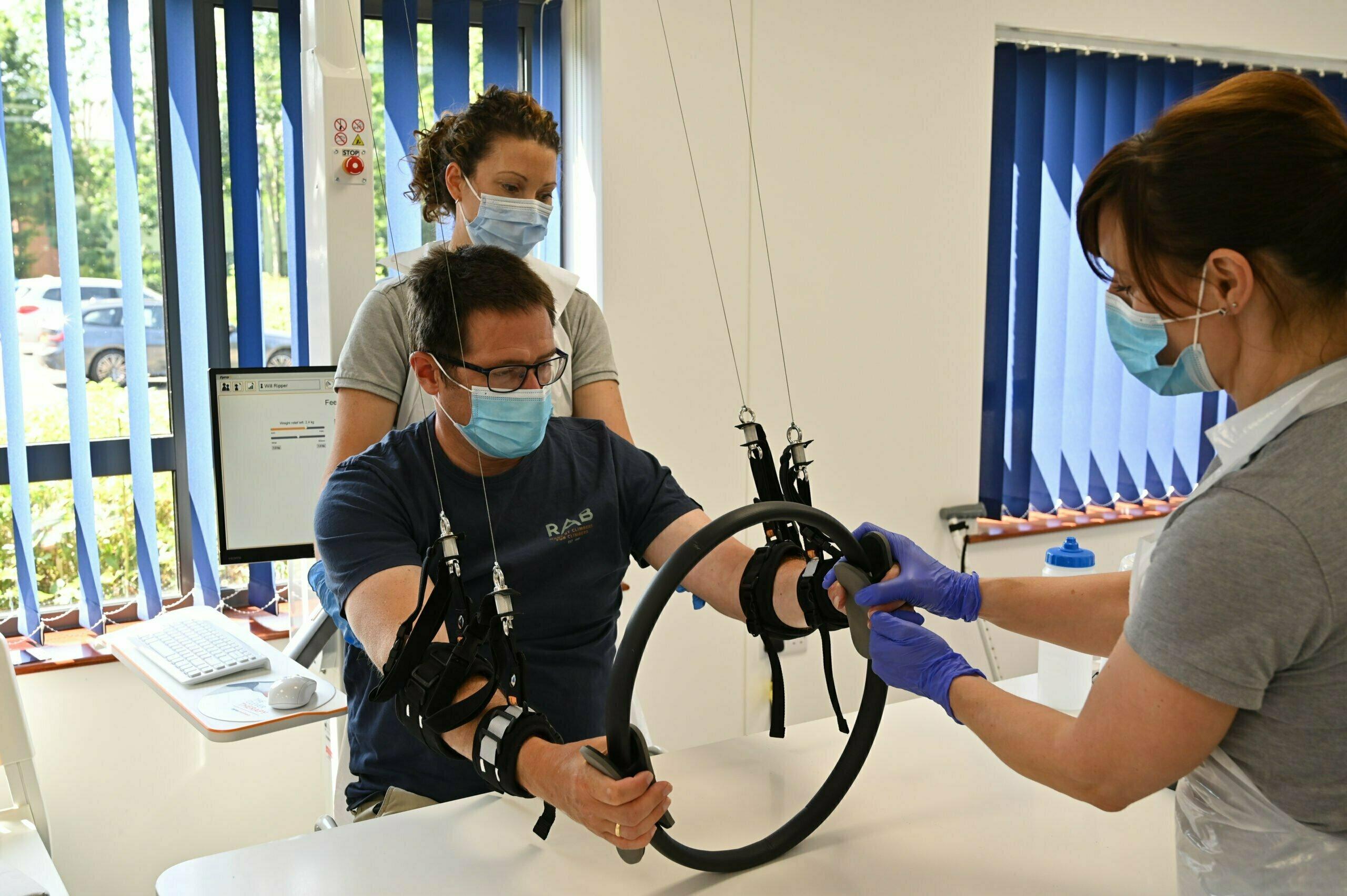
At Hobbs Rehabilitation, PABLO is incorporated into multidisciplinary rehabilitation programmes as part of a personalised approach to upper limb recovery. Clinicians use the device alongside conventional neurophysiotherapy and, where appropriate, in combination with other technologies such as AMADEO, TYMO, and DIEGO. PABLO’s flexibility allows therapists to design tailored sessions that target specific impairments and functional goals, while its interactive and data-driven features support structured, repetitive, and engaging therapy across both intensive and outpatient rehabilitation settings.

Let's Get Started

The equipment is available at Hobbs Rehabilitation Intensive Neurotherapy Centre (Bristol), South East (Liss) and Blenheim Court in Liss – find your nearest centre.
Alternatively, call us on 01962 779796 to talk with our team or fill out our enquiry form on our contact page.

We accept self-referrals and referrals from Medico-Legal, health and social care professionals and the charity sector.

Please note: While the locations listed show where each device is normally available, some smaller pieces of equipment are occasionally shared between centres. Larger devices remain at their designated locations. For specific requests, please contact us, and we will advise on availability or alternatives.
Shape the Future Through Clinical Trials

Join our research trials - open to all, including non-Hobbs patients.

What Our Patients Say

Don’t just take our word for it – take theirs