Placing You at the Centre of Care

Search

Neurotechnology

Exopulse Suit

A wearable therapy that gently stimulates the nervous system to reduce pain, ease muscle stiffness, and help people move more freely in everyday life.
What is the Exopulse Suit?
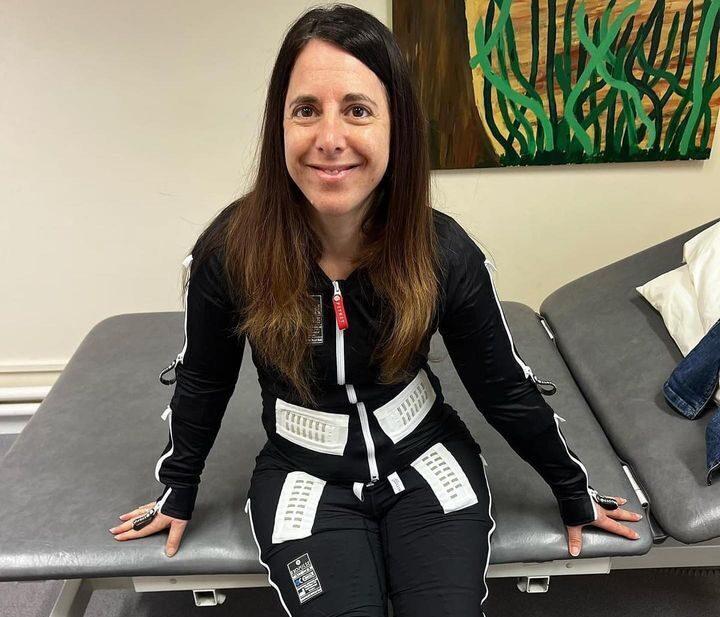
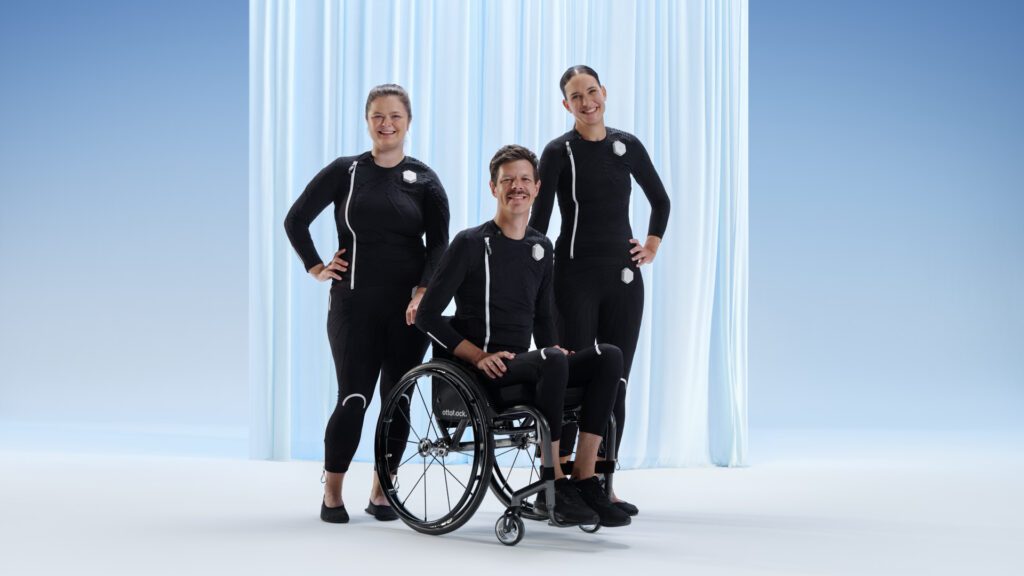
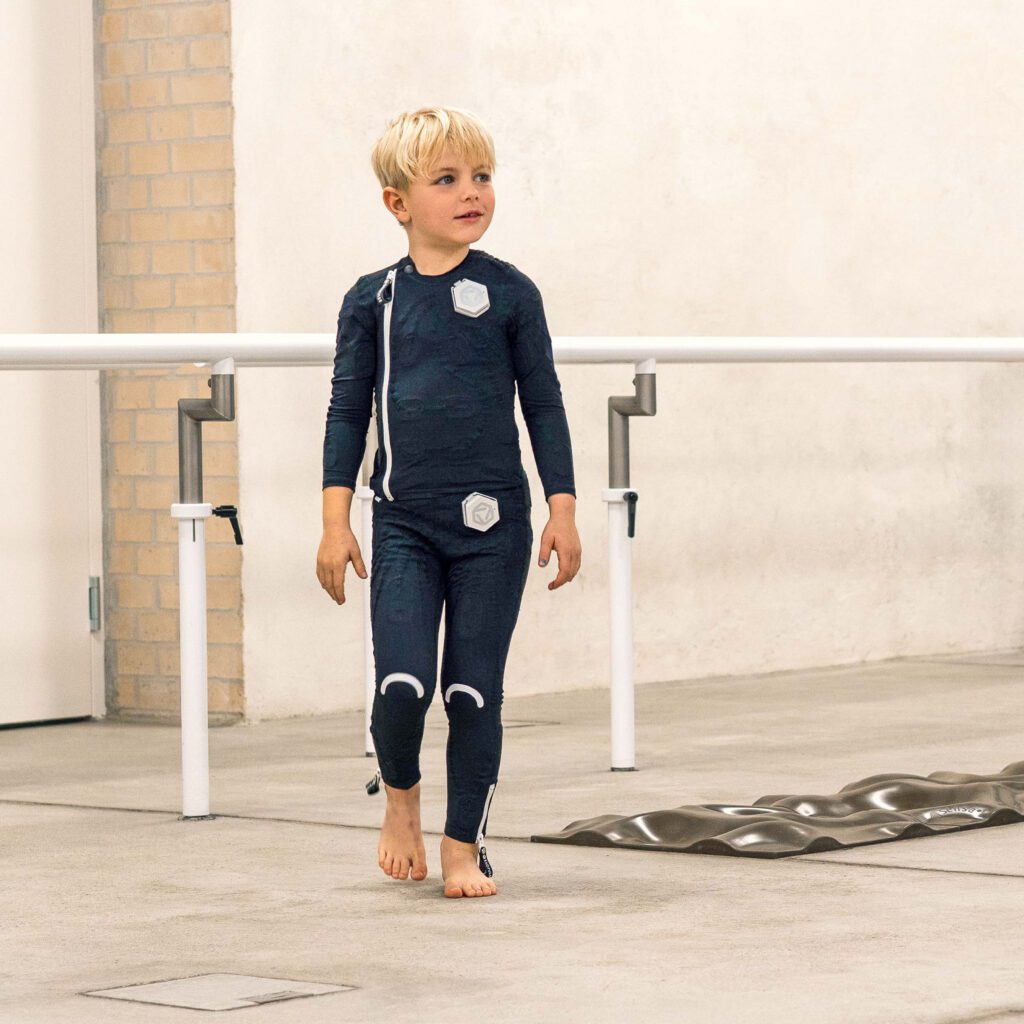
The ottobock exopulse suit is a wearable neuromodulation system made as a jacket and trousers with embedded electrodes. It delivers controlled electrical stimulation to multiple muscle groups to influence communication between the nerves and muscles. The system sends low-frequency electrical pulses through strategically placed electrodes over key muscles. These signals regulate muscle activity and interact with the nervous system, with settings adjusted via clinician and user apps.
How does electrical stimulation support the brain and muscles in relearning more efficient movement patterns during rehabilitation?
Wearable neuromuscular electrical stimulation systems deliver repeated, precisely timed electrical inputs to specific muscle groups to help retrain communication between the nervous system and muscles. This repeated stimulation provides sensory feedback to the brain and spinal cord, reinforcing neural pathways and supporting neuroplasticity—the nervous system’s ability to adapt and reorganise.
 
It also produces muscle contractions without voluntary effort, helping maintain activation patterns and reducing learned non-use. Over time, repetition supports improved motor planning and more predictable movement responses.
 
Overall, the mechanism combines electrical input, repetition, and sensory feedback to help recalibrate movement control and coordination efficiency.
The exopulse suit is used in neurological rehabilitation to support people who experience movement and muscle control difficulties as a result of conditions affecting the brain and nervous system. It is typically introduced when these challenges begin to impact everyday independence and quality of movement.
 
In clinical practice, the focus is on improving real-life functional abilities rather than isolated symptoms. This can include goals such as walking with greater stability and confidence, improving balance during standing and transfers, increasing upper limb control for tasks like reaching and grasping, and supporting smoother, more coordinated movement patterns during daily activities.
 
It may also be used to help reduce the physical effort required for routine tasks such as dressing, changing position in bed, or maintaining posture when sitting or standing for longer periods. The overall aim is to support more efficient movement so that individuals can participate more fully in everyday life, therapy, and community activities.
The exopulse suit is an innovative wearable neuromodulation system designed as a jacket and trousers containing a network of integrated electrodes. This near full-body stimulation garment is developed to deliver neuromodulation in a highly targeted and user-friendly way within a clinical rehabilitation setting.
 
The suit operates using low-frequency electrical stimulation delivered through 50 enlarged, strategically positioned electrodes placed over key muscle groups. These electrodes can be precisely positioned over the muscle belly to ensure accurate and consistent stimulation of targeted areas.
 
The stimulation is generated by rechargeable control units that connect to the garment and allow clinicians to configure treatment parameters such as pulse width, frequency, and intensity. Settings are adjusted via dedicated clinician and user applications that connect through Bluetooth, enabling streamlined programming and personalised session control.
 
The system uses configurable stimulation patterns across multiple channels, allowing coordinated activation of different muscle regions within a single session. This enables flexible adjustment of stimulation strategies depending on clinical requirements.
 
The updated design features a stretchable single-layer fabric for improved usability and comfort, along with magnet-free control units to ensure compatibility for a wider range of clinical users. The suit is designed for repeated, structured use alongside standard rehabilitation programmes.
At Hobbs Rehabilitation, the exopulse suit is incorporated into structured neurological rehabilitation programmes as part of a wider multidisciplinary therapy approach. It is used across both inpatient and outpatient settings, depending on individual clinical needs and treatment goals.
 
Within intensive rehabilitation programmes, the suit is integrated alongside physiotherapy and occupational therapy sessions to support targeted functional training. This allows therapy input to be combined with consistent, repeatable intervention as part of a coordinated rehabilitation plan.
 
Treatment is fully personalised, with settings and usage tailored following clinical assessment. Therapy teams at Hobbs Rehabilitation adapt the programme based on each individual’s presentation, tolerance, and progression, ensuring the suit is used in a way that aligns with broader rehabilitation goals.
 
The exopulse suit is typically embedded into existing therapy schedules rather than used in isolation, allowing it to complement hands-on rehabilitation techniques and task-based training within a structured clinical pathway.

Let's Get Started

The equipment is available at Hobbs Rehabilitation Intensive Neurotherapy Centre (Bristol), South East (Liss) and Winchester – find your nearest centre.
Alternatively, call us on 01275 371262 to talk with our team or fill out our enquiry form on our contact page.

We accept self-referrals and referrals from Medico-Legal, health and social care professionals and the charity sector.

Please note: While the locations listed show where each device is normally available, some smaller pieces of equipment are occasionally shared between centres. Larger devices remain at their designated locations. For specific requests, please contact us, and we will advise on availability or alternatives.
Shape the Future Through Clinical Trials

Join our research trials - open to all, including non-Hobbs patients.

What Our Patients Say

Don’t just take our word for it – take theirs