Hobbs Rehabilitation’s Concussion Clinic aims to support people post-concussion to optimise their recovery with an active rehabilitation approach. Concussions can cause a wide range of physical, cognitive and psychological symptoms. It requires a comprehensive assessment to guide the most effective treatment plan for the individual.
Suitable for individuals who do not require continuous medical supervision and can visit any of our centres.
Previous advice to “rest and wait for symptoms to resolve” is no longer recommended. New evidence suggests that an active rehabilitation program, guided by our team of neurological physiotherapists, neurological occupational therapists and clinical neuropsychologists who are specialists in concussion rehabilitation, can help speed up the recovery process.
Specialist concussion rehabilitation can be effective in managing and improving concussion symptoms and our treatment plans are designed to address the specific symptoms and needs of each individual.
Hobbs Rehabilitation’s multidisciplinary approach aims to optimise recovery and promote a better quality of life, helping reconnect with valued activities relating to work, sport, education, family and social life.
Address cognitive, emotional and behavioural changes that can result from concussion.

Guiding individuals with post-concussion to regain their independence and address challenges in daily life.
Address dizziness, balance and other impairments while educating on how to understand and manage symptoms.
Elevate your team with Concussion Education; our specialists deliver expert training.
Clinical neuropsychology is a specialist field of psychology focused on understanding how the brain influences behaviour. At Hobbs Rehabilitation, our team of clinical neuropsychologists specialise in working with individuals affected by various neurological conditions, including concussion. Our experts help individuals understand and cope with the effects of their neurological condition, which may involve addressing changes in memory, cognitive abilities and emotional well-being.
In concussion research, it is recommended to include neuropsychological assessments and interventions as a vital component of the overall clinical management of this condition. This comprehensive approach may include:
Concussion Education: Providing valuable insights into concussion.
Understanding and Support: Assisting individuals in making sense of their challenges, promoting reassurance and understanding.
Neurocognitive Assessment: Employing formal neurocognitive assessments to identify cognitive changes and inform strategies for a safe return to work or social activities. It’s important to note that clinical neuropsychologists are highly trained, both at the doctoral and post-doctoral levels, to administer and interpret these psychometric tests.
Sleep Disturbance Management: Offering guidance on managing sleep-related issues.
Psychological Therapy: Aiding individuals in handling mood changes, anxiety, relationship difficulties or adjustment. This may involve therapeutic approaches such as Cognitive Behavior Therapy (CBT) and Acceptance and Commitment Therapy (ACT).
Onward Referral: Facilitating referrals to the broader concussion rehabilitation team, including headache specialist neurologists, neuro-optometrists and other specialists, to ensure comprehensive care.
By using the expertise of clinical neuropsychologists individuals affected by concussion can receive comprehensive care that addresses their cognitive, emotional and psychological well-being.
Living with concussion symptoms can significantly disrupt daily life and overall well-being. It’s common for individuals to feel the pressure to carry on with their usual routines despite symptoms like fatigue, headaches, dizziness, vision problems, anxiety and reduced cognitive performance. This can intensify the challenges and create a cycle of distress.
Occupational therapists offer practical assistance tailored to your needs, understanding the physical and psychological impact of concussion. With extensive experience in brain injury rehabilitation, they collaborate closely with physiotherapists and clinical neuropsychologists. Occupational therapy is involved from the initial assessment to developing bespoke treatment plans focused on practical objectives like symptom management, returning to work or education, managing domestic tasks and resuming family and social roles.
Our targeted occupational therapy interventions include:
Identifying Triggers: Recognising everyday life triggers of your symptoms and finding ways to reduce them.
Fatigue Management: Implementing a program to understand and manage persistent post-concussion fatigue.
Goal Setting: Establishing achievable goals for resuming daily activities and achieving a balanced life.
Study/Work Support: Offering practical guidance and support for returning to or maintaining study/work performance.
Customised Return to Sports Programs: Tailoring plans to facilitate a graded return to sports.
Symptom Management: Individualised strategies for managing symptoms, including sleep hygiene, relaxation techniques and cognitive rehabilitation.
Onward Referral: Facilitating referrals to the broader concussion rehabilitation team, including headache specialist neurologists, neuro-optometrists and other specialists, to ensure comprehensive care.
Occupational therapists consider your physical, psychological, social and environmental needs. Their support can profoundly impact your sense of purpose, uncover new possibilities and reshape your outlook on the future.
The concussion physiotherapy team at Hobbs Rehabilitation comprises neurological physiotherapists with a strong background in treating brain injuries.They have further enhanced their expertise through additional post-graduate training in vestibular rehabilitation and concussion management. Their extensive training and experience make them well-equipped to work with this patient group.
Comprehensive Assessment and Intervention: The physiotherapy assessment for concussion is thorough and holistic. It includes a comprehensive subjective history and evaluation of the concussion profile, encompassing the cervical spine, oculo-motor functions, vestibular system and cardiovascular/exertional symptoms. This approach seeks to understand how these impairments impact motor control and balance, affecting an individual’s ability to return to their normal daily activities.
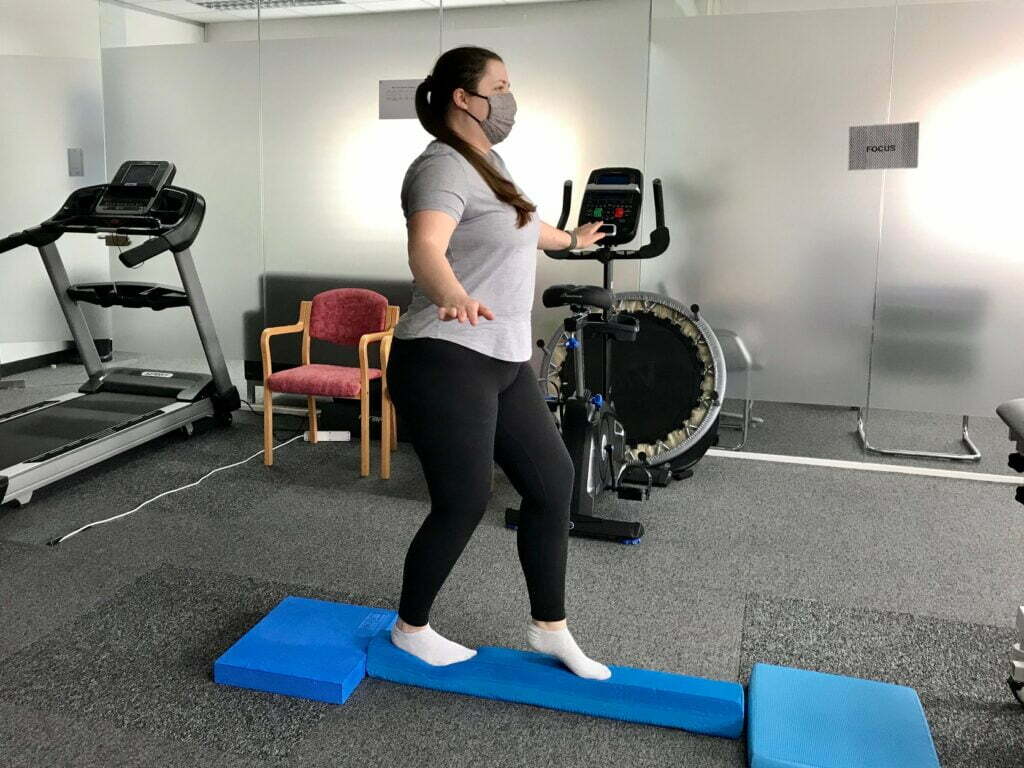
Bespoke Treatment: Physiotherapy intervention is bespoke, based on assessment findings and individual goals. This may include specific repositioning maneuvers to address BPPV, vestibular exercises, multi-sensory balance training, or treatment of musculoskeletal issues. Treatment plans can include a combination of hands-on manual therapy and customised exercise programs designed to address specific issues identified during the assessment. Guidance and support are provided to facilitate a gradual return to everyday activities that may have become challenging due to the concussion, such as shopping, using public transport, returning to sports, education or work.
Education: Education plays a crucial role in the rehabilitation of persistent concussion symptoms. The team strives to empower patients with a comprehensive understanding of their symptoms, including their triggers, and effective management strategies. This collaborative approach works towards achieving individual goals and enhancing overall well-being.
Specialised Services:
Vestibular and Ocular Rehabilitation: Targeted therapy to address issues related to balance and vision.
Cardiovascular/Exertional Testing and Exercise Prescription: Assessing cardiovascular function and prescribing exercise programs tailored to individual needs.
Treatment for Cervical/Spinal Dysfunction: Specialised interventions to address neck and spinal issues contributing to symptoms.
Headache Management: Strategies and therapies to effectively manage and alleviate headache symptoms.
Multi-Sensory Balance Retraining: Tailored programs to improve balance and coordination through sensory integration.
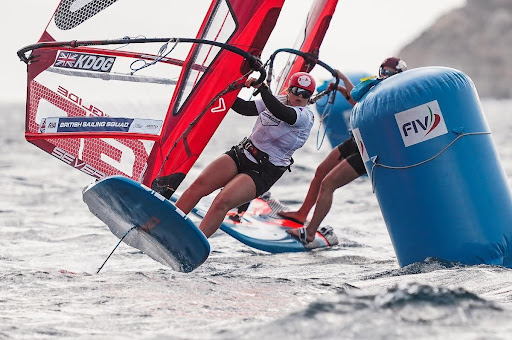
Our specialist concussion team are experienced in working with a wide range of people, including Olympic and Paralympic athletes, who have suffered brain injuries.
Accidents such as falls, collisions with obstacles or vehicles or impacts with the ground.

Interaction with horses brings the potential for falls or impacts.
Whether from slipping on a wet floor, tripping over or falling from a height.

Concussions are common among professional levels as well as recreational and youth.
Any contact sport is a high risk of brain injuries, much like tackles, collisions and scrums in rugby.
Often involving fast-paced descents on slopes or trails, which can lead to falls and collisions

Individuals involved in a road traffic accident may experience a sudden jolt or blow to the head
Any setting with potential for falls or impacts, carry a higher risk of concussions.
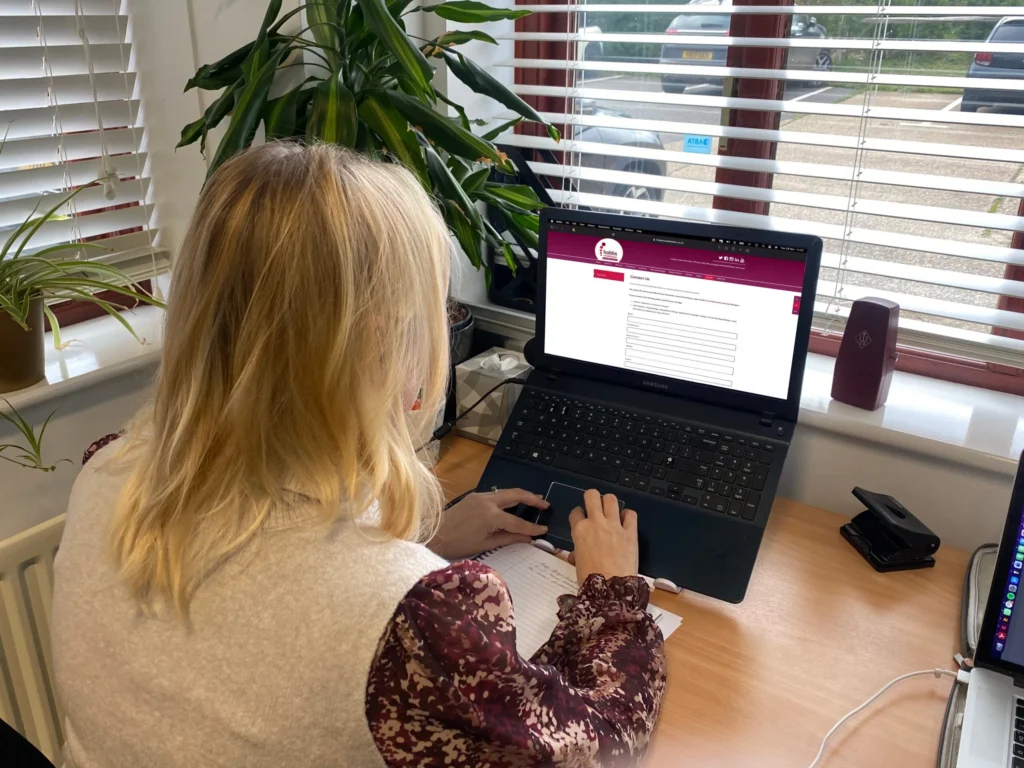
Enquire today about any of our services or packages
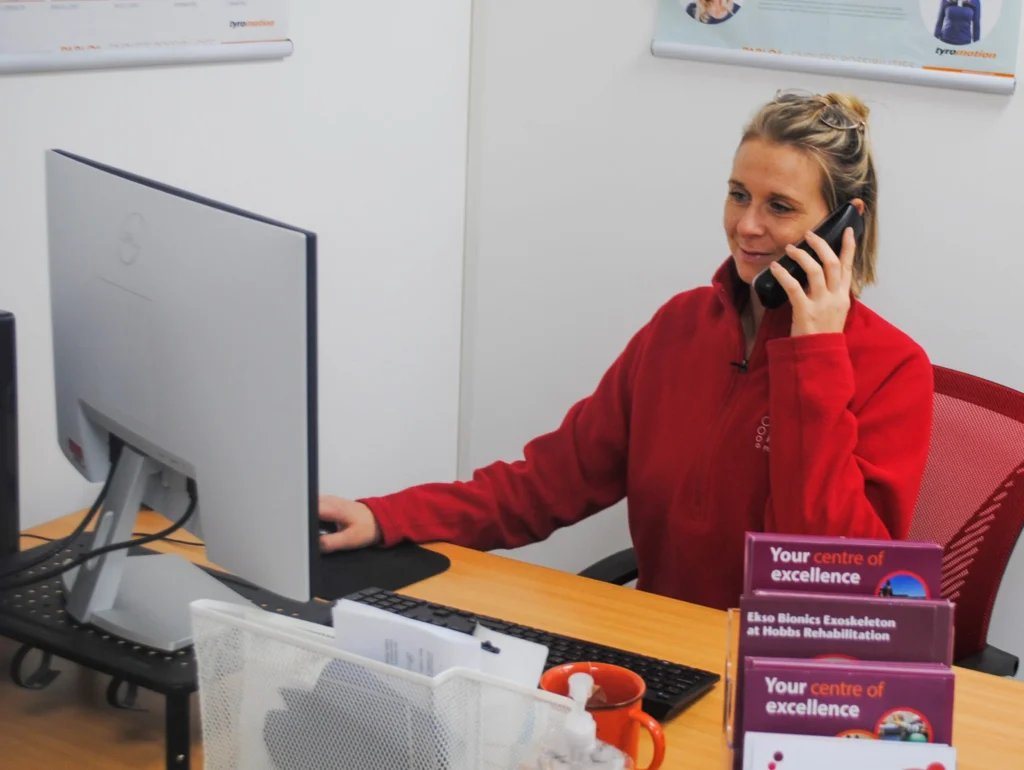
You will be contacted to determine your needs and assessment location
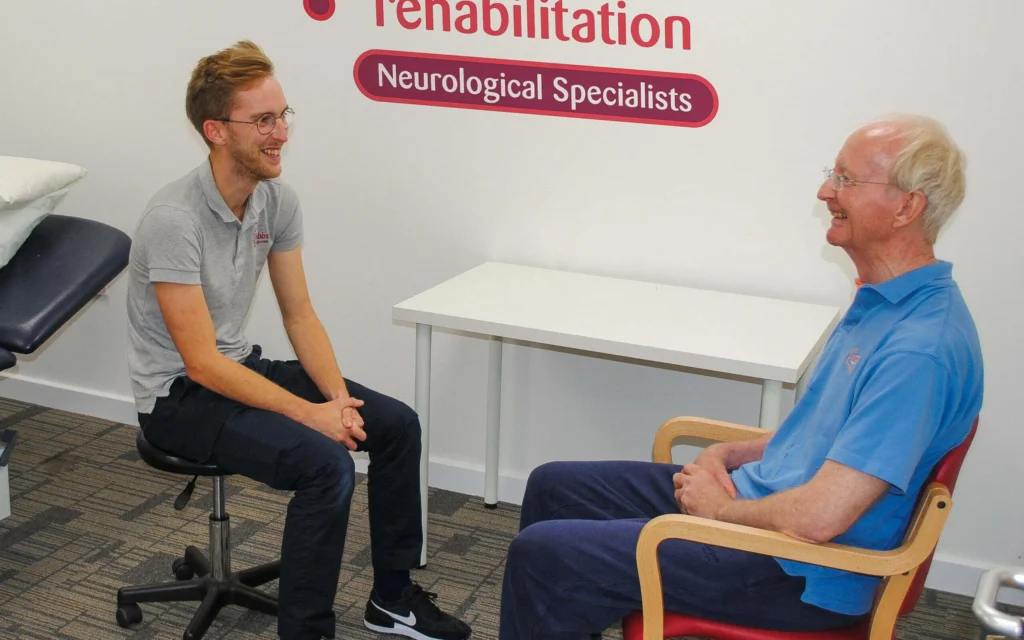
Your therapist will recommend the best course of treatment
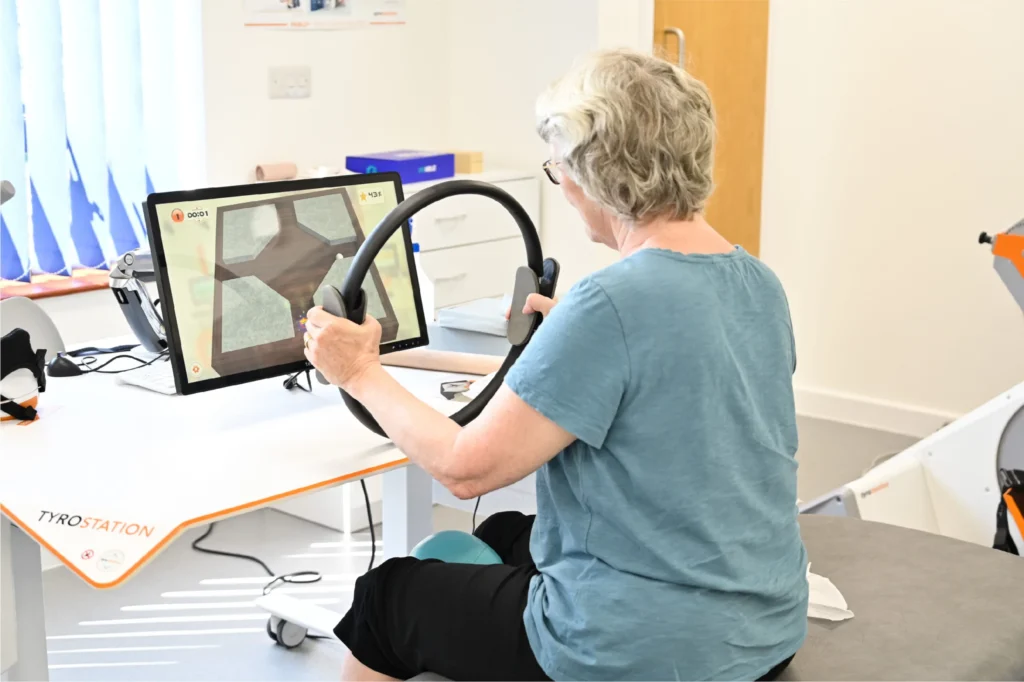
Once you have booked you will be ready to start your treatment plan
When we receive a referral, our therapists will screen your enquiry to organise an initial assessment with the most appropriate therapist in the team; this may be a single or dual therapist assessment depending on what will best meet your needs. Following assessment, an individualised treatment plan will be devised to help guide and optimise your recovery.
Our concussion clinic services are provided at Hobbs Rehabilitation Intensive Neurotherapy Centre (Bristol), South East (Liss) and Winchester – find your nearest centre.
Alternatively, call us on 01962 779796 to talk with our team or fill out our enquiry form on our contact page.
We accept self-referrals and referrals from Medico-Legal, health and social care professionals and the charity sector.
Explore a range of common questions about concussion, and see how you may benefit from an assessment. If your question still isn’t answered, get in touch – contact us.
A concussion is caused by an injury/impact to the head or body from rapid forces of acceleration and deceleration. These injuries can be caused by a variety of incidents including road traffic accidents, sporting injuries and falls. Concussion is also known as a mild traumatic brain injury (mTBI).
A concussion sets off a series of events in the brain that can disrupt the normal balance of brain cells. This ‘neurochemical cascade’ can cause dysfunction of the brain cells and is a major reason why people experience different signs and symptoms following a head injury. This dysfunction does not normally involve structural damage to the brain and therefore does not typically show up on standard scans.
After a mild traumatic brain injury, people may report a broad range of temporary symptoms, and in the majority of cases resolve within one month. However, 15-30% of people will experience persistent concussion symptoms also known as post-concussion syndrome (PCS).
Post-concussion syndrome involves a complex interaction between physical, psychological and social factors. The Hobbs Rehabilitation Concussion Clinic team are experienced in working with a wide range of complex post-concussion syndrome presentations. They aim to help the individual understand their own symptom profile and develop a targeted treatment plan to aid their recovery.
Signs of a concussion can include headache, dizziness, fatigue, irritability, reduced concentration, sleep disturbance, memory problems, word-finding difficulties, anxiety, sensitivity to noise and light, blurred vision and changes in mood.
Join our research trials - open to all, including non-Hobbs patients.
Don’t just take our word for it – take theirs