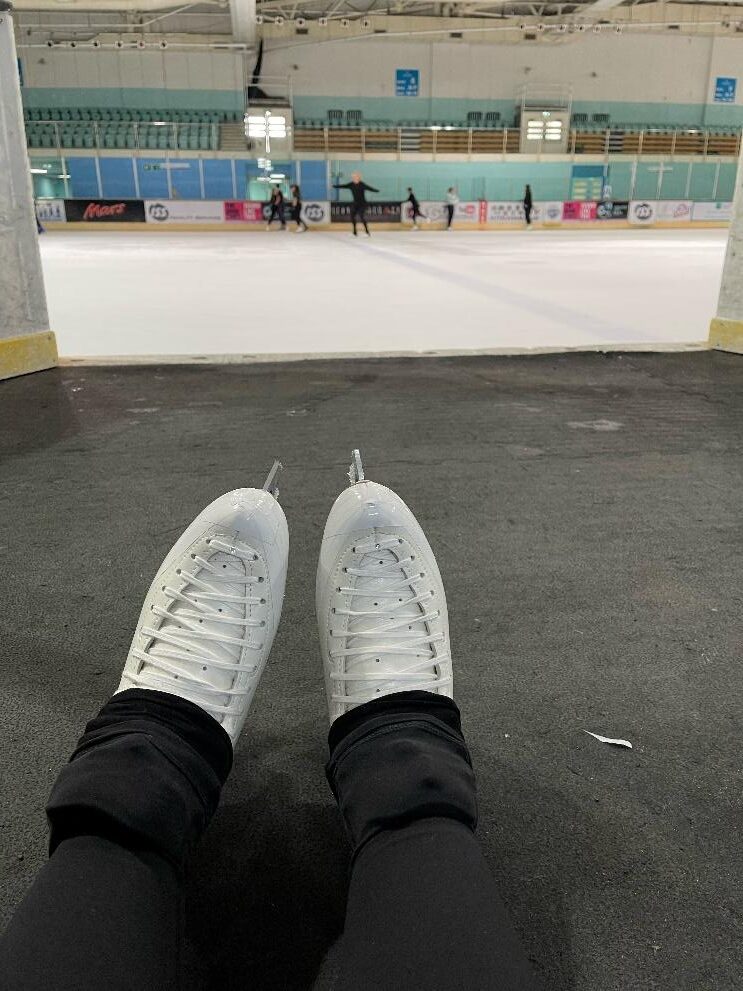
RHV attended the Concussion Clinic at Hobbs Rehabilitation South East in November 2021 due to persistent concussion symptoms. She sustained a nasty head injury whilst ice-skating and was taken to A&E. Her neurological exam and scans were both clear of any structural damage so she was diagnosed with whiplash and concussion (also known as a mild traumatic brain injury).
It is estimated that 70% of people who sustain a concussion will recover within 1 month and therefore they are often given very general advice with no specific medical follow up. RHV was in the middle of a busy student placement as part of the final year of her veterinary degree and had hoped that things would resolve on their own.
Unfortunately she continued to experience a wide range of persistent concussion symptoms including dizziness, neck pain, headaches light and sound sensitivity, as well as common cognitive symptoms such as difficulty with memory, concentration, word finding and fatigue.
It is common for multiple systems to be affected following concussion/mTBI, and in RHV’s case her assessment found the following:
Visual/Vestibular
• Vestibular system dysfunction; BPPV and reduced vestibular ocular reflex (VOR)
• Reduced oculomotor control
• Motion sensitivity
Cervical Spine
• Cervical and thoracic spine stiffness
• Reduced postural control and balance
Cognition and Mood
• Reduced attention and concentration, impacting on ability to multi-task
• Significant fatigue, both physical and cognitive.
• Changes in mood
Physiological/Autonomic
• Positive buffalo concussion treadmill test for autonomic dysfunction
• Altered sleep
Inflammatory/Metabolic
• Post traumatic migraines
• Dizziness when walking/moving quickly
• Unable to drive and exercise/return to sport
• Moved back to family home for support
• Difficulty in busy environments/having to limit social activities with friends
• Difficulty reading, processing and retaining information
• Extreme fatigue and headaches
• Outpatient services including; neurological physiotherapy, clinical neuropsychology, clinical massage therapy
• Vestibular and balance rehabilitation
• Graded cardiovascular training
• Graded return to sport, ice-skating and cognitive tasks
• Advice/signposting for migraine management
• Support to navigate her return to University
• Living independently
• Full return to driving and travel
• Returned to exercise at the gym and ice-skating!
• Able to read books for pleasure and work
• Able to socialise with family and friends without limits
• Returned to university… now a qualified Vet!
Don’t just take our word for it – take theirs.