Placing You at the Centre of Care

EsoGLOVE

⚠️ This equipment is no longer in use.
Please contact us and we can help you find an alternative.

Soft robotic rehabilitation devices enable guided, repetitive hand training by combining wearable support with progressive assistance to match each stage of recovery.

What is it?

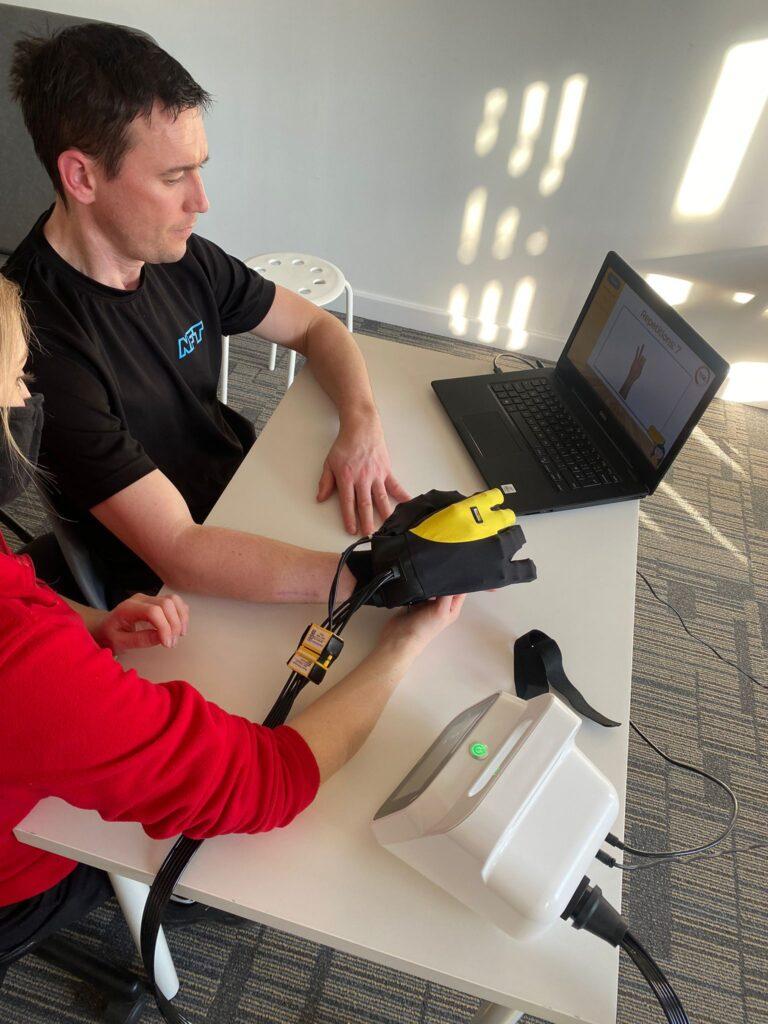
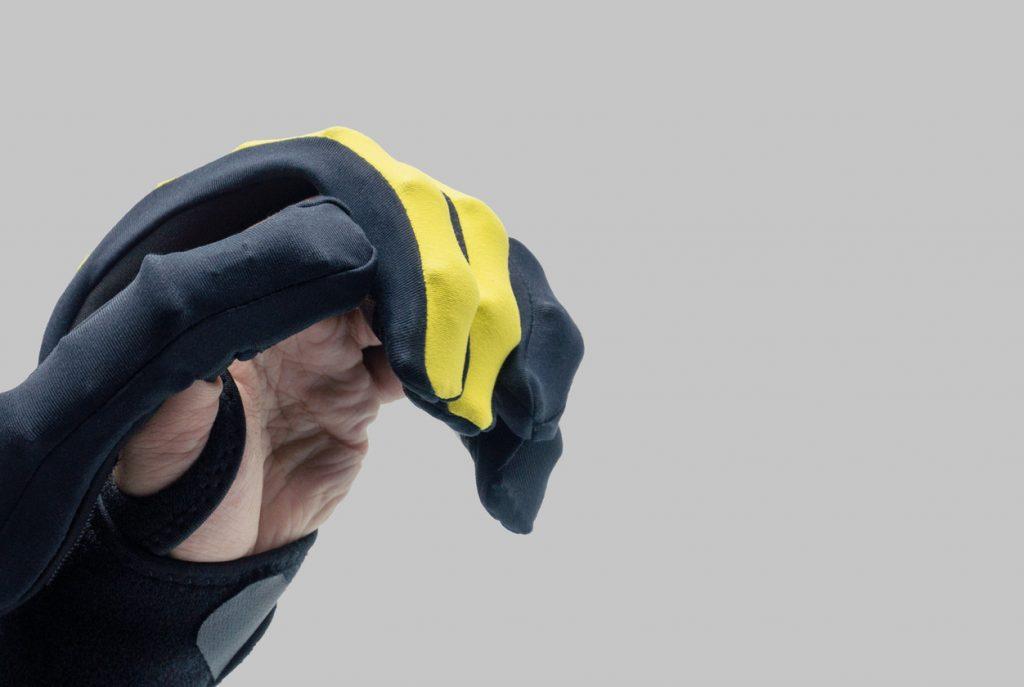
The EsoGLOVE, developed by EsoGLOVE, is a portable, wearable neurorehabilitation system designed for hand and upper limb therapy. It uses soft robotic actuation to assist movement of the fingers and hand through multiple training modes, including passive mobilisation, active-assisted movement, bilateral training, and functional task practice. The device supports controlled, repetitive movement patterns that can be tailored to the user’s ability, allowing therapy to progress from passive stretching to more active engagement. Its design enables use across different stages of rehabilitation, particularly for individuals with neurological conditions affecting hand function. The system is intended to support structured therapy aimed at improving range of motion, motor control, and functional use of the upper limb.
How does wearable robotic assistance support progression from passive to active hand rehabilitation?

Wearable robotic systems support progression by adapting the level of assistance based on the user’s ability to initiate and complete movement. In early stages, passive modes can help maintain joint mobility and reduce stiffness through guided movement. As recovery progresses, active-assisted modes allow the user to initiate movement while the device provides support to complete the range of motion. This gradual reduction in assistance encourages active participation, promotes motor learning, and helps build strength and coordination. Over time, this approach enables individuals to transition towards more independent and functional use of the hand.

EsoGLOVE for Hand Rehabilitation and Neurological Conditions

EsoGLOVE is used for individuals with impaired hand and upper limb function following neurological injury such as stroke, brain injury, or spinal cord injury. It is suitable across different stages of rehabilitation, from early mobilisation through to functional recovery. Real-life goals that may be targeted include:

  • Regaining the ability to open and close the hand

  • Improving grip and release for everyday objects

  • Supporting activities such as eating, dressing, and personal care

  • Enhancing participation in functional upper limb tasks
    The device supports repeated, task-oriented practice that contributes to improvements in range of motion, coordination, and functional hand use as part of a broader rehabilitation programme.

EsoGLOVE uses soft robotic components to guide and assist finger and hand movements in a controlled and wearable format. It provides multiple therapy modes, including passive mobilisation for stretching and maintaining flexibility, active-assisted training where the device supports user-initiated movement, and bilateral training to encourage coordinated use of both upper limbs. The system enables functional task practice, allowing users to apply hand movements within meaningful activities. The level of assistance can be adjusted to match the individual’s ability, supporting progressive rehabilitation while promoting engagement through structured repetition.
At Hobbs Rehabilitation, EsoGLOVE is incorporated into personalised upper limb rehabilitation programmes delivered within inpatient, outpatient, and intensive therapy settings. Clinicians assess the individual’s hand function, tone, strength, and movement ability to determine appropriate settings and training modes. The device is typically used alongside conventional therapy and may be combined with other rehabilitation technologies as part of a multidisciplinary approach. Treatment sessions are tailored to individual goals, progressing from assisted movement towards more active and functional hand use, to improve independence in daily activities.

Let's Get Started

Use our online form to get in touch or find your nearest centre.

Alternatively, call us on 01962 779796 to speak to our team.

We accept self-referrals and referrals from Medico-Legal, health and social care professionals and the charity sector.

Please note: While the locations listed show where each device is normally available, some smaller pieces of equipment are occasionally shared between centres. Larger devices remain at their designated locations. For specific requests, please contact us, and we will advise on availability or alternatives.
Patient entering details onto an enquiry form on a laptop
Enquire

Enquire today about any of our services or packages
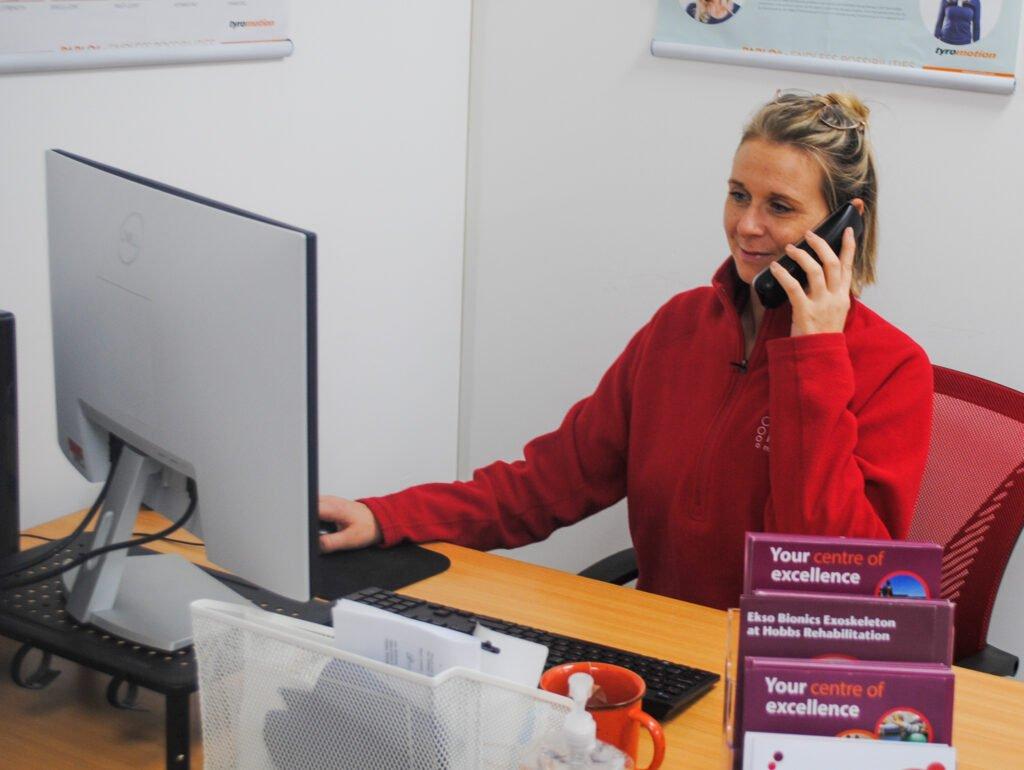
Therapist taking a telephone screening for Hobbs Rehabilitation
Screen

You will be contacted to determine your needs and assessment location
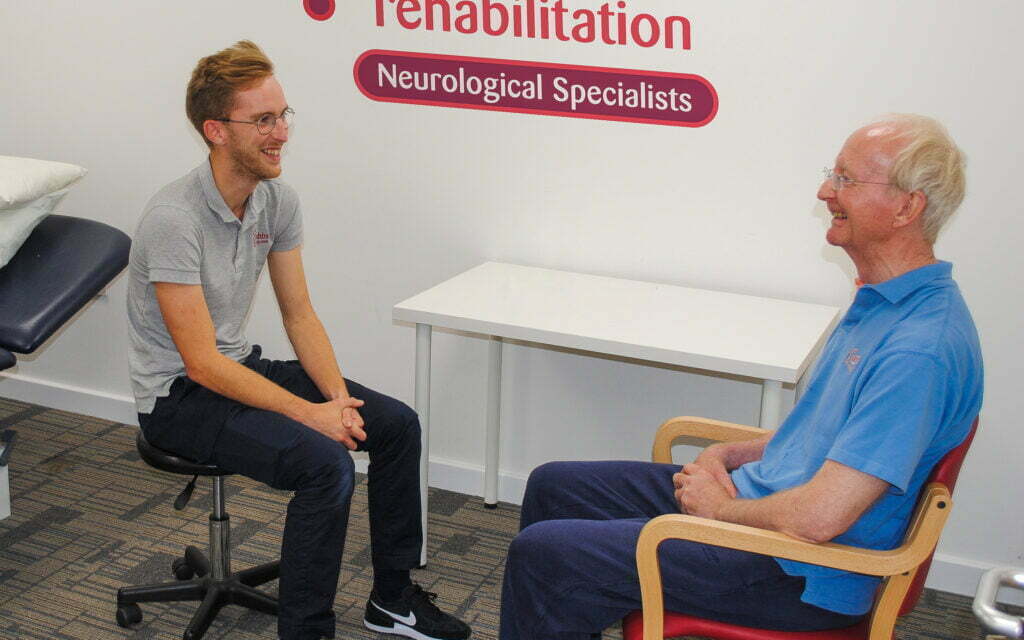
Patient sat with physiotherapist undergoing a Hobbs Rehabilitation assessment
Assess

Your therapist will recommend the best course of treatment
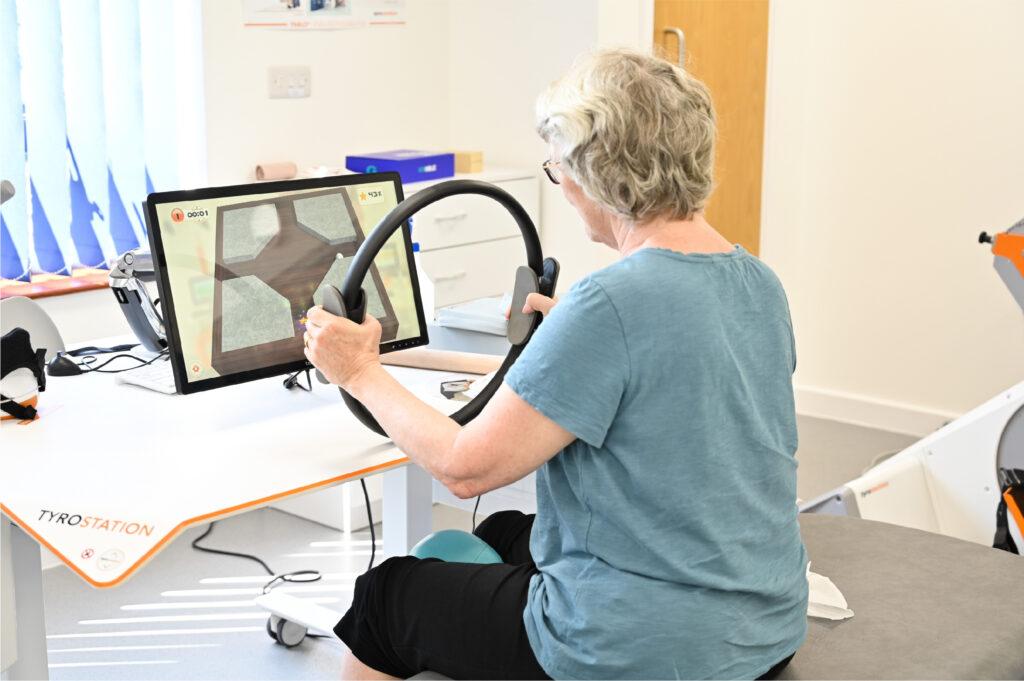
Patient on Tyromotions DIEGO as part of their neurotechnology rehabilitation
Treatment

Once you have booked you will be ready to start your treatment plan.