Placing You at the Centre of Care

Search

Neurotechnology

GripAble

Interactive, sensor-driven devices are transforming hand rehabilitation by enabling repetitive, engaging practice that supports motor recovery and functional improvement.
What is the GripAble?
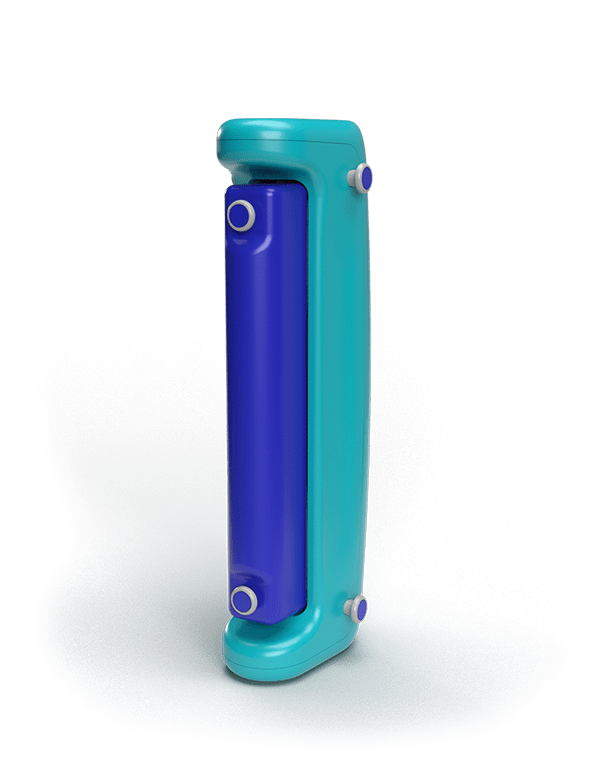
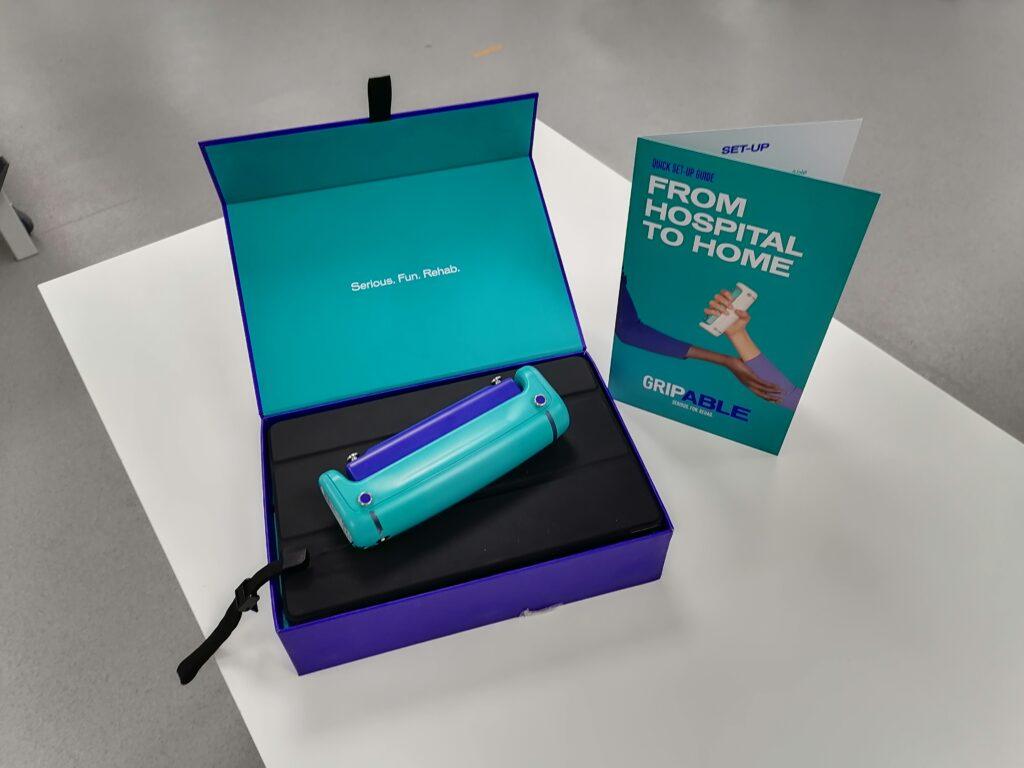
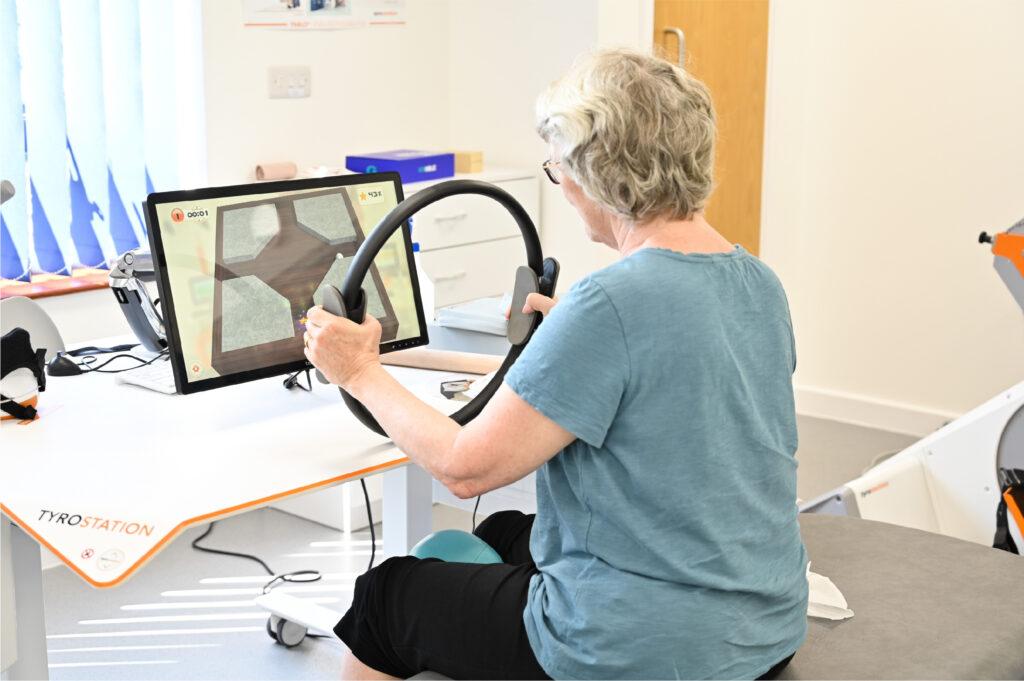
GripAble is a compact rehabilitation device developed through work at Imperial College London. It is designed for individuals with weakness or a reduced range of movement in the fingers, hand, and wrist. The device uses sensitive force and motion sensors to detect grip strength, release, and wrist movements, translating these inputs into interactive exercises and games displayed on a tablet. Its portable design allows it to be used across inpatient, outpatient, and home settings, either independently or with clinical or carer support, as part of a structured rehabilitation programme.
How does repetitive, feedback-driven training support neuroplasticity and motor recovery in the hand?
Repetitive, feedback-driven training helps support neuroplasticity, the brain’s ability to reorganise and form new neural connections. When individuals repeatedly practice hand and wrist movements with real-time visual feedback, the brain receives consistent input about performance, which helps reinforce more efficient movement patterns. This combination of repetition, active engagement, and immediate feedback can improve motor control, coordination, and the ability to perform functional hand tasks over time.
GripAble is used for individuals with conditions affecting hand and upper limb function, including muscle weakness, reduced range of motion, sensory impairment, or neglect. It supports rehabilitation of grip strength, dexterity, and wrist movement through structured, repetitive exercises.

Therapy with GripAble can be tailored to real-life functional goals such as improving the ability to grasp and release everyday objects (e.g. cups, utensils, and door handles), manipulate personal items (e.g. phones, keys, and clothing fastenings), and support independence in daily activities like eating, dressing, and personal care.

GripAble uses embedded force and motion sensors to measure a user’s grip, release, and wrist movements in real time. This data is transmitted to a connected tablet, where it is used to control interactive games and exercises. The system provides immediate feedback on performance, allowing users to adjust their effort and movement patterns. Therapy sessions can be progressively adapted by increasing task difficulty, encouraging repetition, engagement, and gradual improvement in hand function.

At Hobbs Rehabilitation, GripAble can be integrated into personalised rehabilitation programmes across inpatient, outpatient, and intensive settings. After initial setup, it can be used independently or with clinician or carer support to encourage consistent hand use outside of therapy sessions. Its portability allows it to be used in a variety of environments, supporting ongoing practice and continuity of care as part of a broader multidisciplinary treatment plan aimed at maximising recovery of hand and upper limb function.

Let's Get Started

The equipment is available at Hobbs Rehabilitation Intensive Neurotherapy Centre (Bristol), South East (Liss), Winchester, Blenheim Court in Liss, Oaksey House in Lambourn and Dorset – find your nearest centre.
Alternatively, call us on 01962 779796 to talk with our team or fill out our enquiry form on our contact page.

We accept self-referrals and referrals from Medico-Legal, health and social care professionals and the charity sector.

Please note: While the locations listed show where each device is normally available, some smaller pieces of equipment are occasionally shared between centres. Larger devices remain at their designated locations. For specific requests, please contact us, and we will advise on availability or alternatives.

Shape the Future Through Clinical Trials

Join our research trials - open to all, including non-Hobbs patients.

What Our Patients Say

Don’t just take our word for it – take theirs