Placing You at the Centre of Care

LEXO®

Robotic gait training systems enable high-repetition, task-specific walking practice in a safe and controlled environment to support recovery after neurological injury.

What is it?

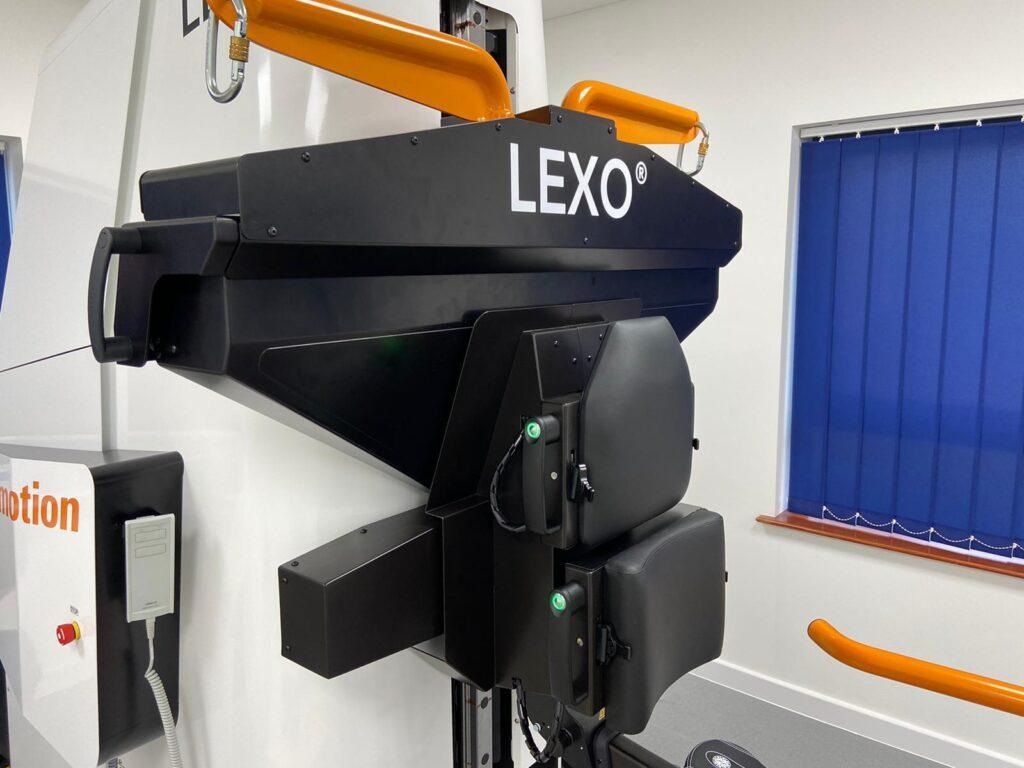
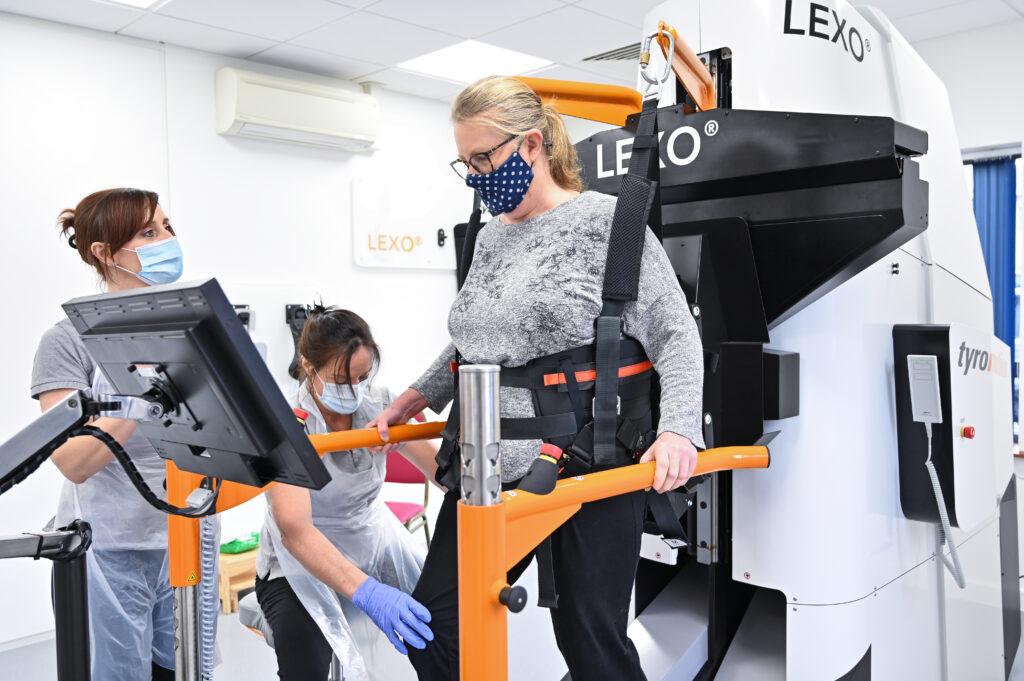
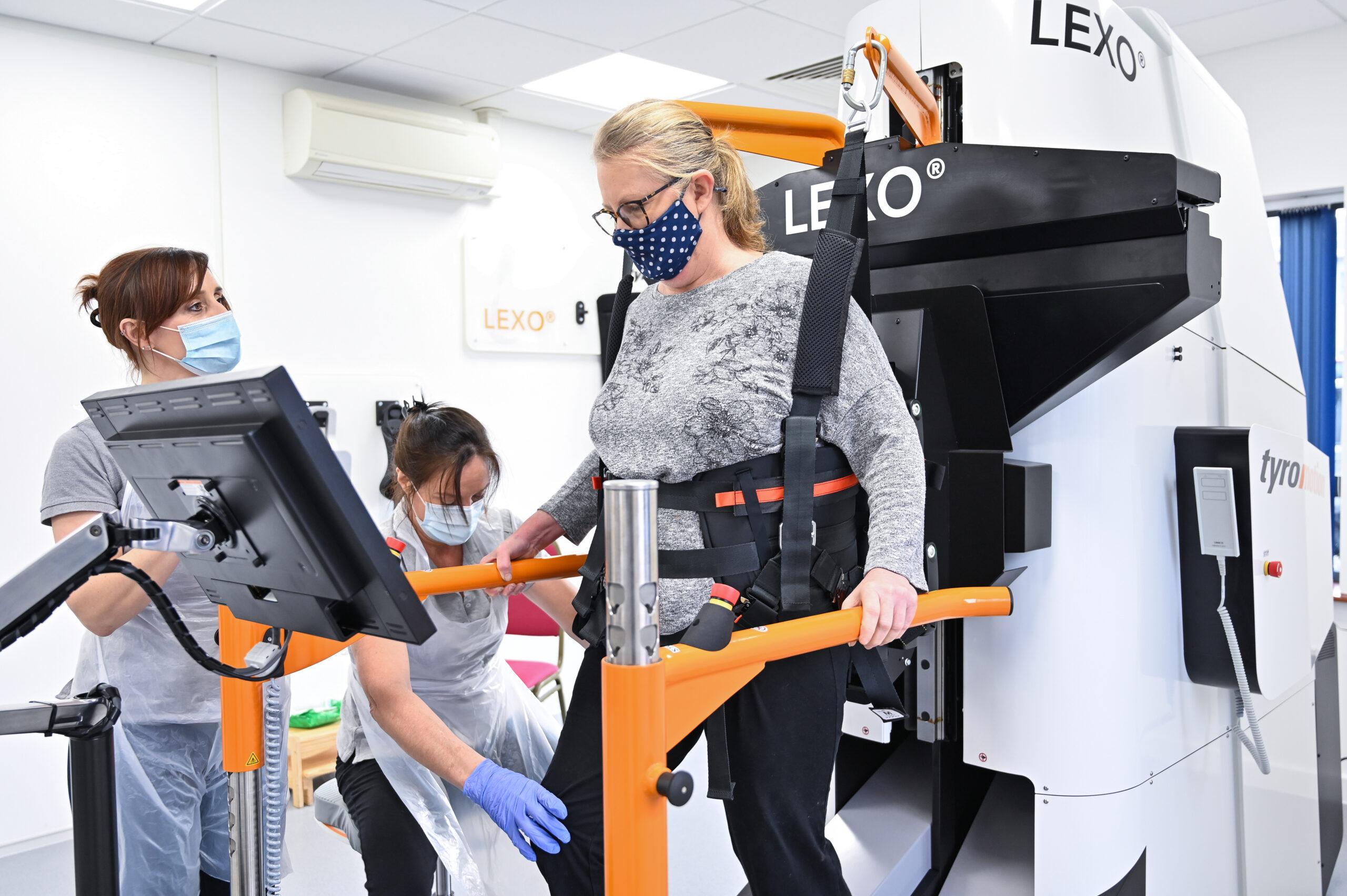
LEXO, developed by Tyromotion, is an end-effector robotic gait training device used in neurorehabilitation to assist individuals in regaining lower-limb function and walking ability. Unlike exoskeleton systems, LEXO supports the feet on moving platforms, allowing more natural movement through the hips and knees. The device provides dynamic bodyweight support and allows users to practice walking in a controlled environment with guided assistance. It is highly adaptable, with adjustable parameters such as cadence, step length, and pelvic displacement, enabling clinicians to tailor training to individual needs and goals across a wide range of neurological conditions.
How does robotic gait training with LEXO improve walking ability and rehabilitation outcomes?

Robotic gait training with LEXO enables high-intensity, repetitive stepping practice, which is essential for promoting motor learning and neuroplasticity. By supporting bodyweight and guiding movement patterns, the device allows individuals to practice walking with correct biomechanics while gradually increasing their level of active participation. Immediate visual and performance feedback, combined with adjustable training parameters, helps reinforce proper gait patterns, improve coordination, increase step count per session, and support improvements in strength, endurance, and overall functional mobility.

LEXO for Neurological Gait Rehabilitation and Lower-Limb Recovery

LEXO is used in the rehabilitation of individuals with neurological conditions such as stroke, traumatic brain injury, spinal cord injury, multiple sclerosis, cerebral palsy, and Parkinson’s. It supports the re-training of walking by enabling repeated, assisted gait cycles in a controlled environment. Therapy can be targeted towards functional goals such as improving walking independence, increasing endurance, enhancing balance, and restoring more normal gait patterns. Its adaptable design allows clinicians to personalise treatment for a wide range of abilities and stages of recovery.

LEXO operates as an end-effector device, meaning the user’s feet are placed on moving footplates that guide stepping motions. This allows for natural movement through the hips and knees while providing dynamic bodyweight support via an integrated unloading system. The device enables both passive and active modes of training, with adjustable settings including cadence, step length, and pelvic movement. Built-in feedback and gamification features enhance engagement, while the system’s design allows users to practice a high number of steps per session in a safe and controlled environment.
At Hobbs Rehabilitation Bristol, LEXO is incorporated into both intensive rehabilitation packages and outpatient sessions. Following assessment, clinicians determine whether LEXO is appropriate for an individual’s goals and treatment plan. The device supports a variety of transfer options, including hoist-assisted entry, independent stepping onto the system, or the use of a slide board when required. Once positioned, sessions are individually tailored to focus on lower-limb strengthening, gait re-education, and cardiovascular endurance, with session duration adjusted to meet individual needs.
Let's Get Started

Use our online form to get in touch or find your nearest centre.

Alternatively, call us on 01962 779796 to speak to our team.

We accept self-referrals and referrals from Medico-Legal, health and social care professionals and the charity sector.

Please note: While the locations listed show where each device is normally available, some smaller pieces of equipment are occasionally shared between centres. Larger devices remain at their designated locations. For specific requests, please contact us, and we will advise on availability or alternatives.

Will’s Rehabilitation Story

Stroke

Acquired Brain Injury

After a stroke changed his active lifestyle, Will undertook intensive multidisciplinary rehabilitation at Hobbs. With specialist therapy, neurotechnology and determination, he achieved greater independence and returned closer to the activities he loved.

Ed’s Rehabilitation Story

Spinal Cord Injury

Cervical Spinal Cord Injury

Ed sustained a traumatic C7 AIS-D spinal cord injury, progressing through intensive rehabilitation to regain independence, walk again, and achieve remarkable physical challenges including climbing Snowdon.

Kylie’s Rehabilitation Story

Stroke

Acquired Brain Injury, Haemorrhagic Stroke

Kylie experienced a basal ganglia haemorrhage, causing right-sided weakness and sensory difficulties. Through intensive neurological rehabilitation and upper limb therapy, she improved function, confidence and independence.
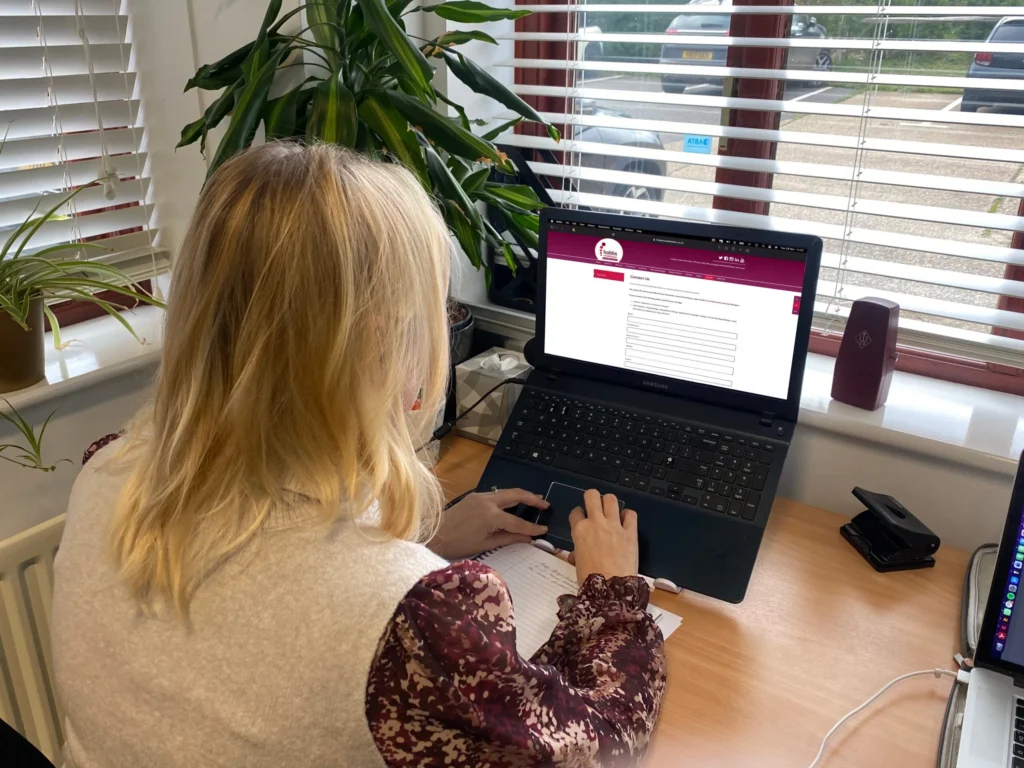
Patient entering details onto an enquiry form on a laptop
Enquire

Enquire today about any of our services or packages

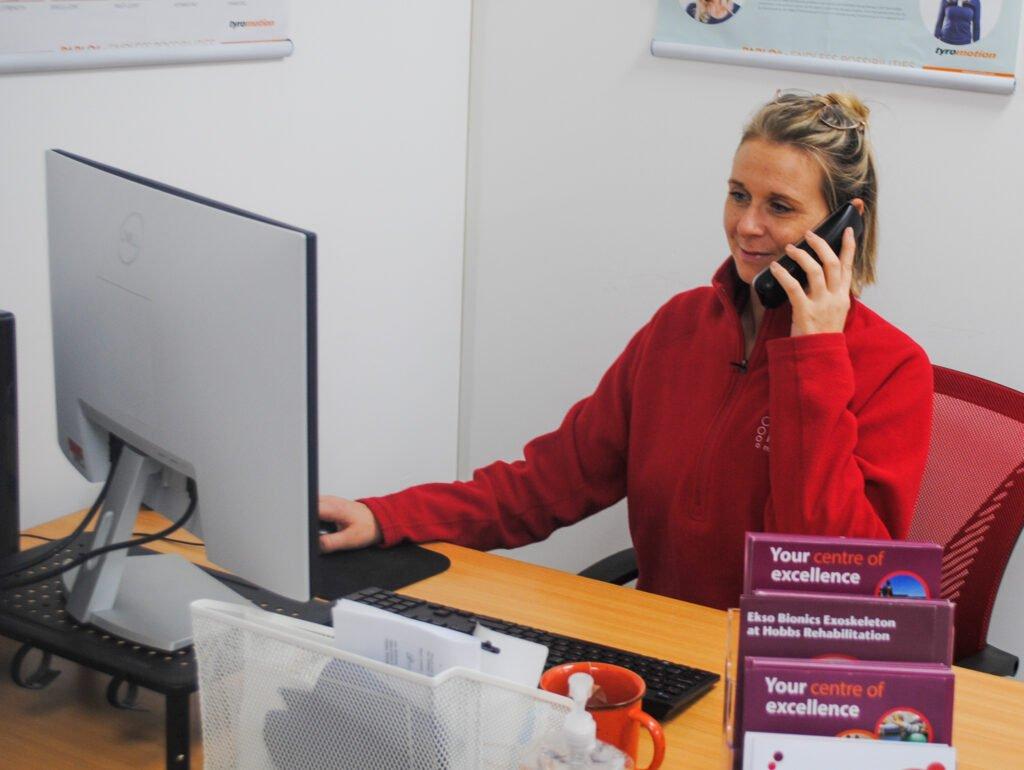
Therapist taking a telephone screening for Hobbs Rehabilitation
Screen

You will be contacted to determine your needs and assessment location

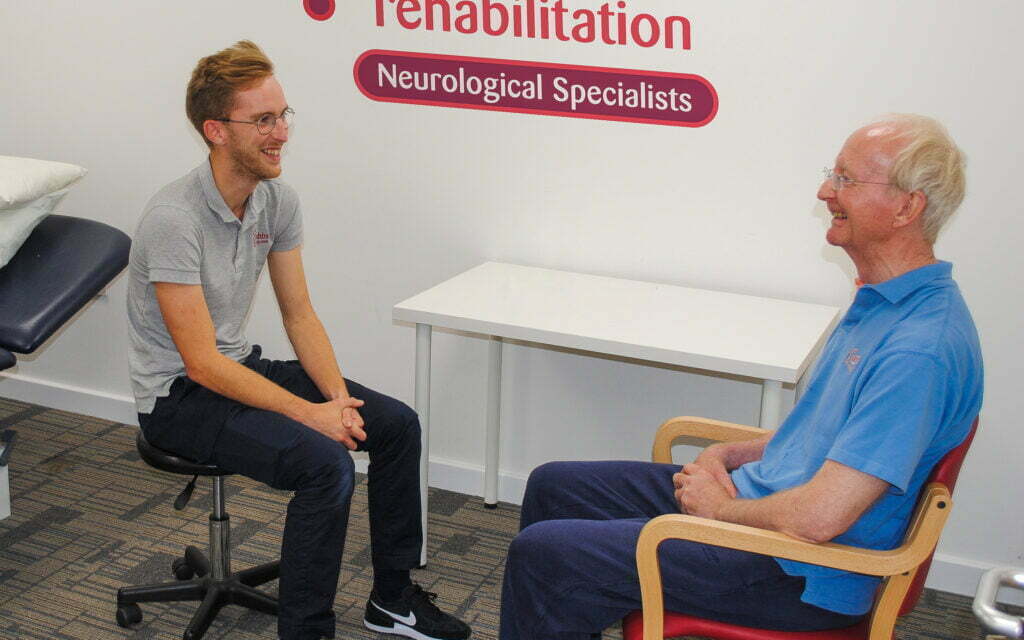
Patient sat with physiotherapist undergoing a Hobbs Rehabilitation assessment
Assess

Your therapist will recommend the best course of treatment

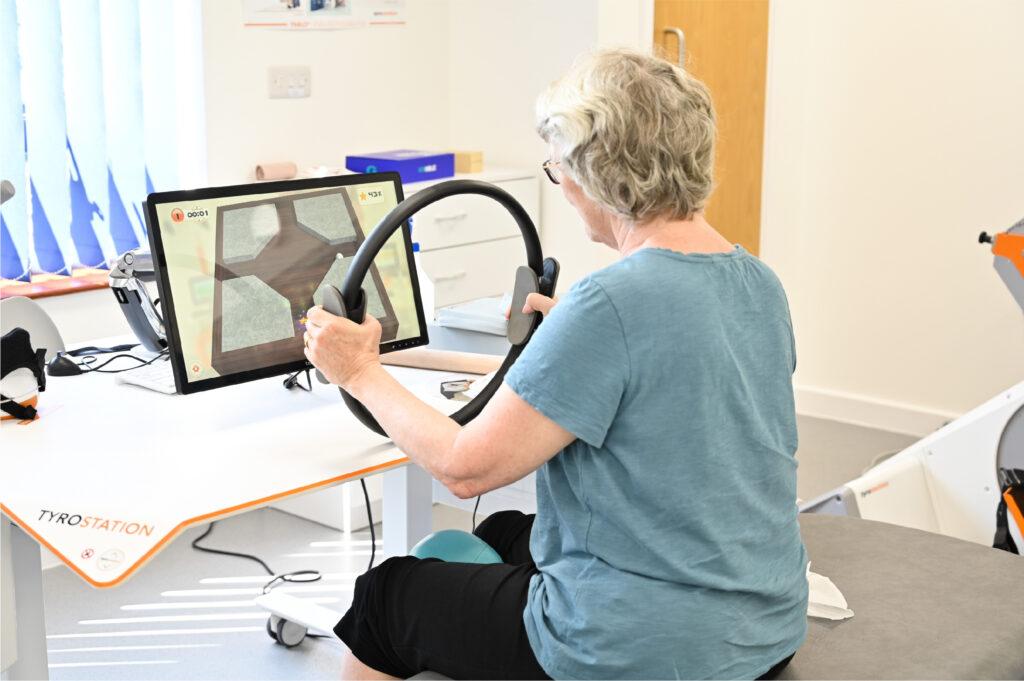
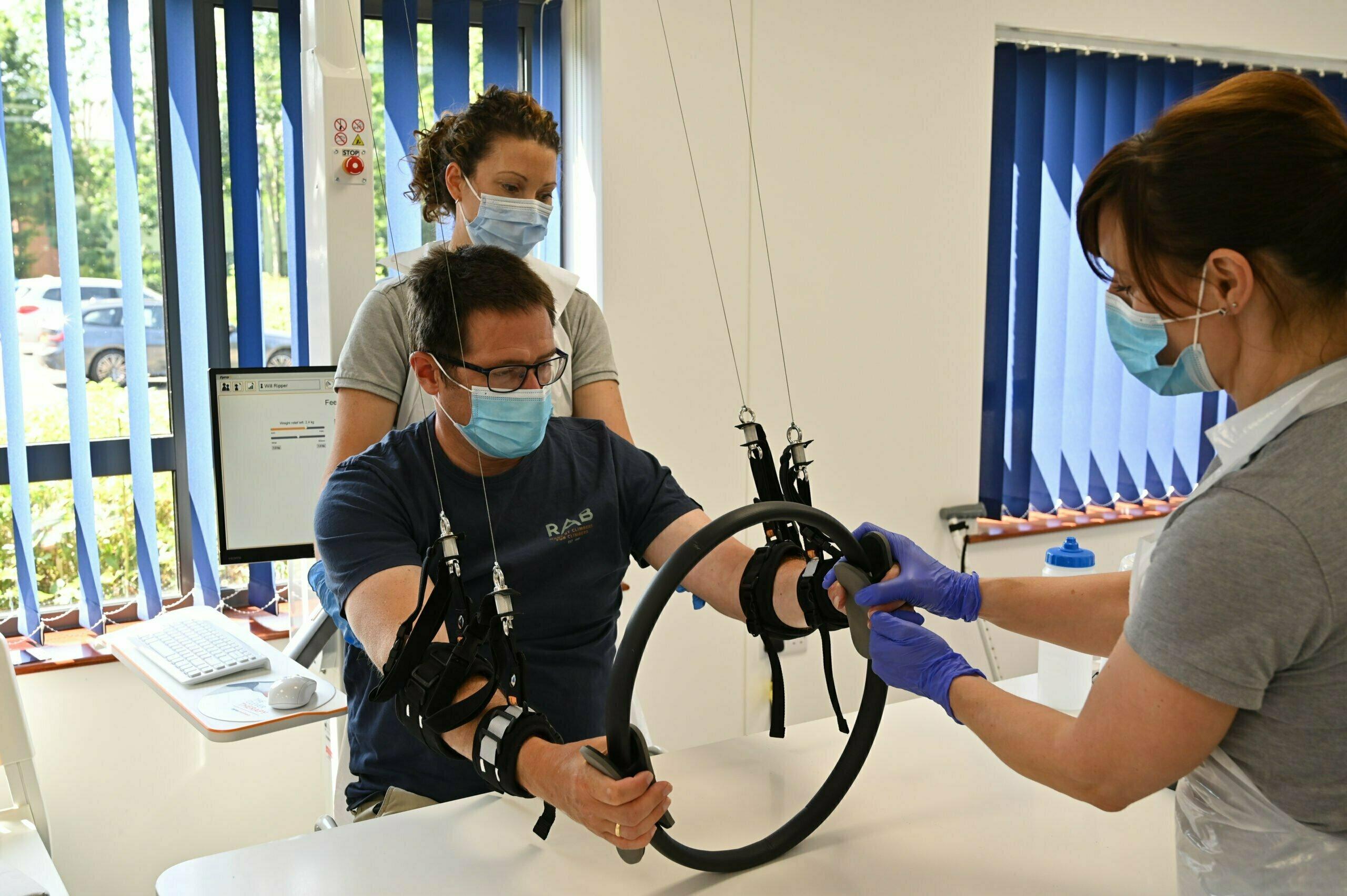
Patient on Tyromotions DIEGO as part of their neurotechnology rehabilitation
Treatment

Once you have booked you will be ready to start your treatment plan.

Hear From Them

Don’t just take our word for it – take theirs.