Aquatic Physiotherapy (AP) is also known as Hydrotherapy and involves the use of exercise and handling techniques utilising the properties of water. In conjunction with hands-on therapy, we aim to encourage independence through swimming for cardiovascular fitness and independent exercise while supporting you through your rehabilitation. The hydrotherapy pool is a fully accessible pool, with a water temperature of between 34-35°C and a ceiling track hoist, chair hoist and two accessible changing rooms.
Aquatic Physiotherapy can benefit adults and children in many different ways. The water eases the pain in your joints and allows your muscles to relax, both of which help you to exercise. The water supports your weight, which also increases the range of movement of your joints.
Hobbs Rehabilitation provides aquatic physiotherapy rehabilitation to children and adults of all ages with a neurological condition or injury such as a brain injury, spinal cord injury or stroke.
No previous swimming experience is required to access the hydrotherapy pool.
The fully accessible hydrotherapy pool comes with many benefits
Strengthen muscles without gravity & using water resistance
Assist movement which provides safer practice of function
Relief from pain, tension and spasms
Relaxation and increases confidence
Our case studies present real rehabilitation outcomes from Hobbs Rehabilitation, focusing on clinical progress, treatment approaches and measurable results.
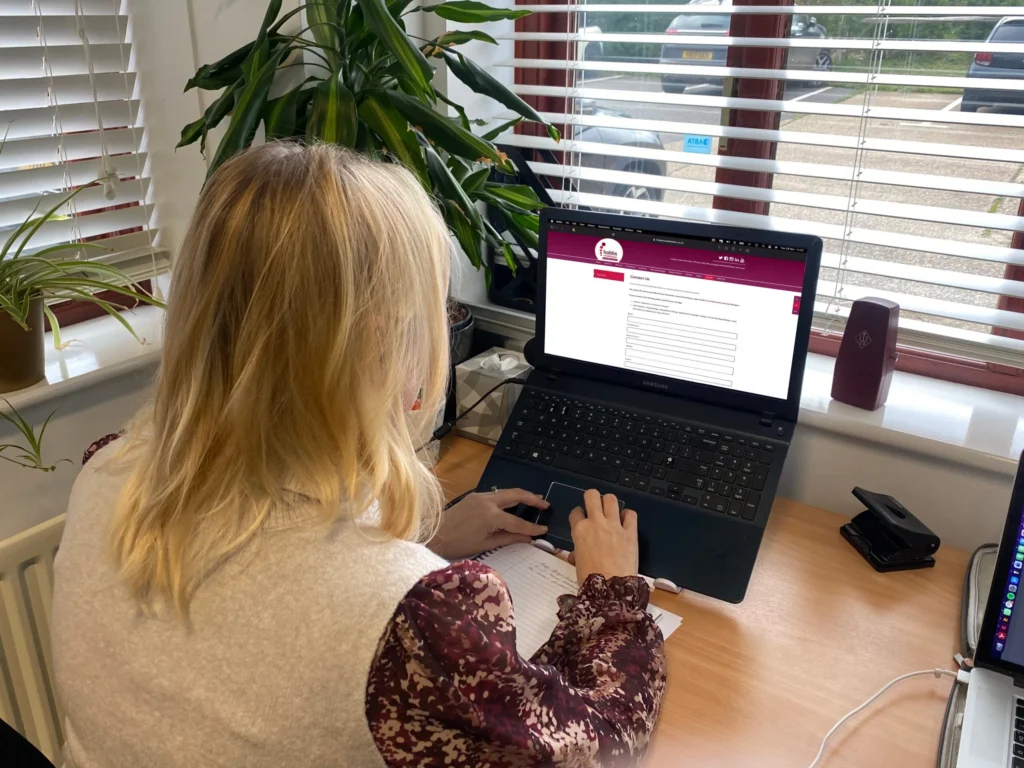
Enquire today about any of our services or packages
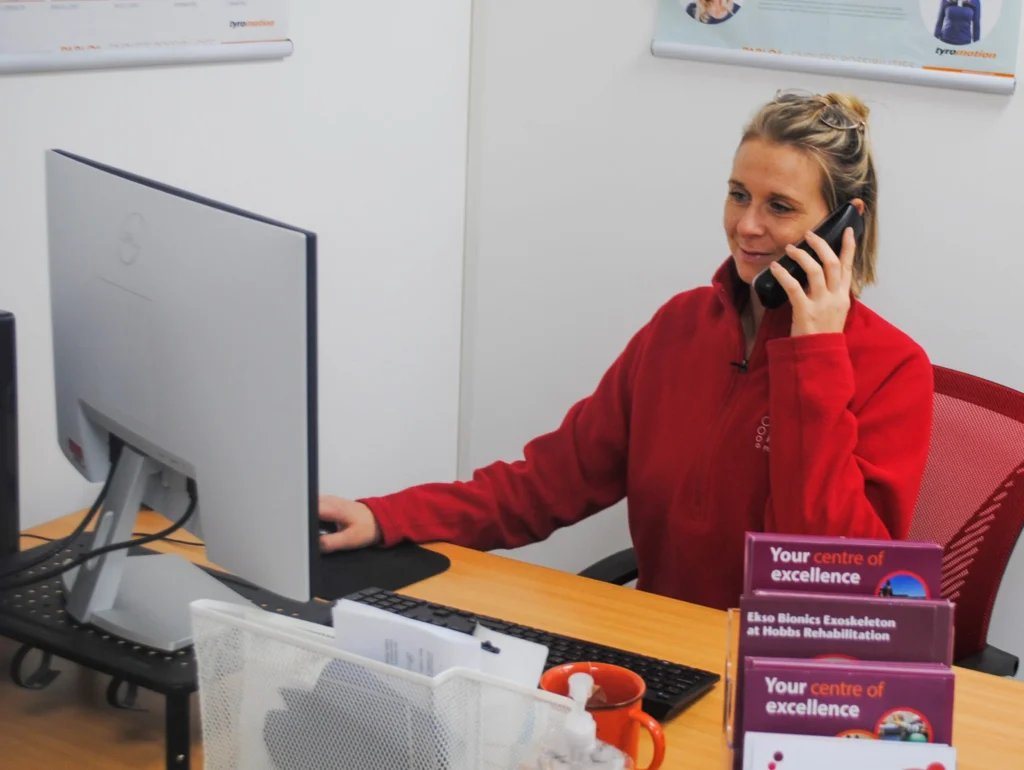
You will be contacted to determine your needs and assessment location
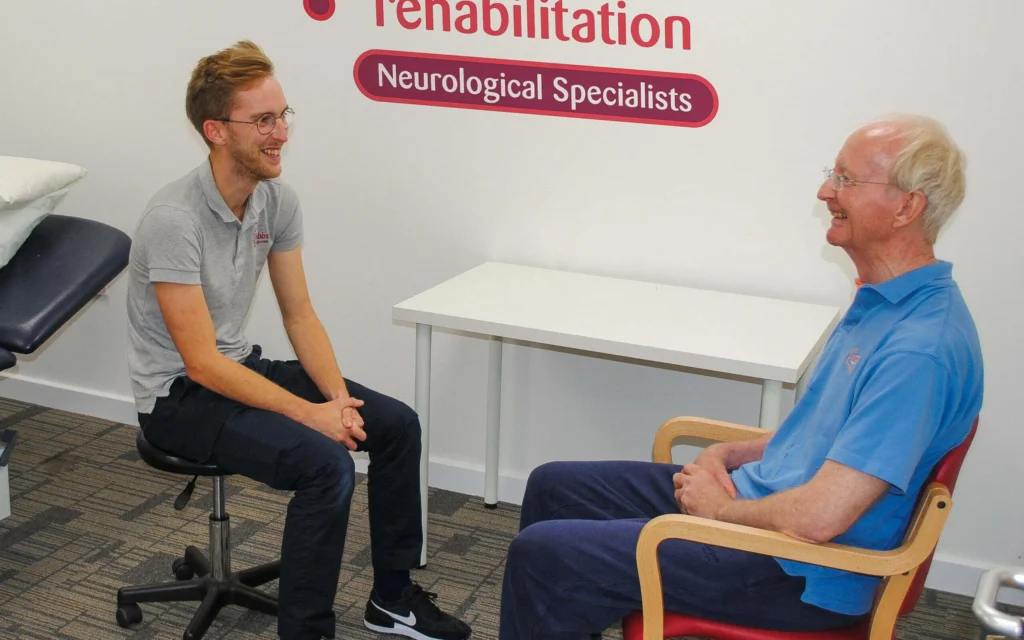
Your therapist will recommend the best course of treatment
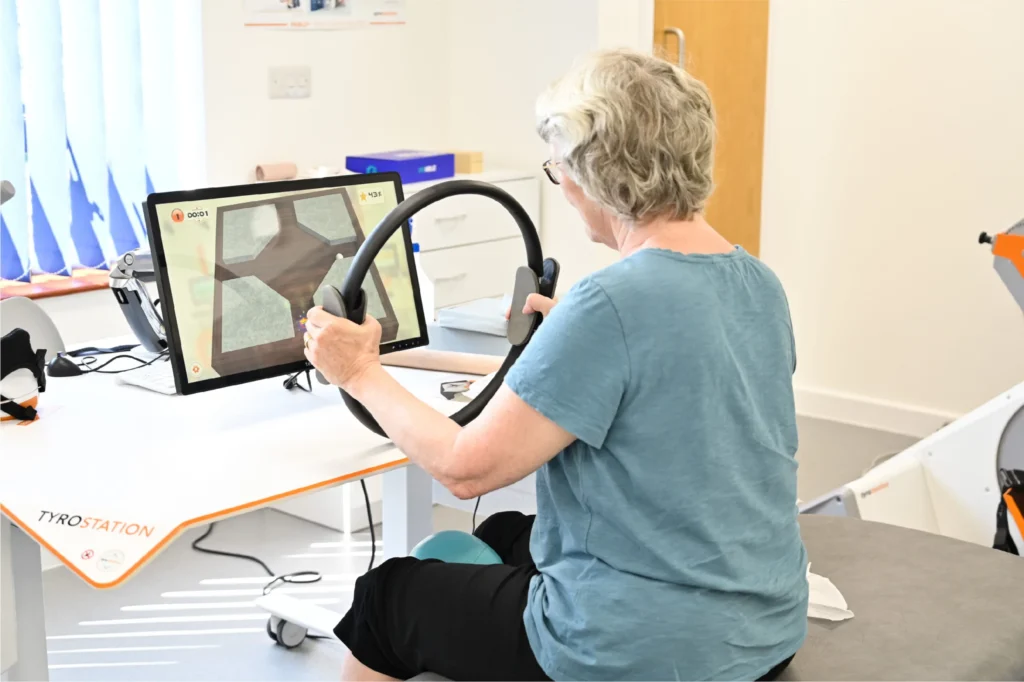
Once you have booked you will be ready to start your treatment plan.
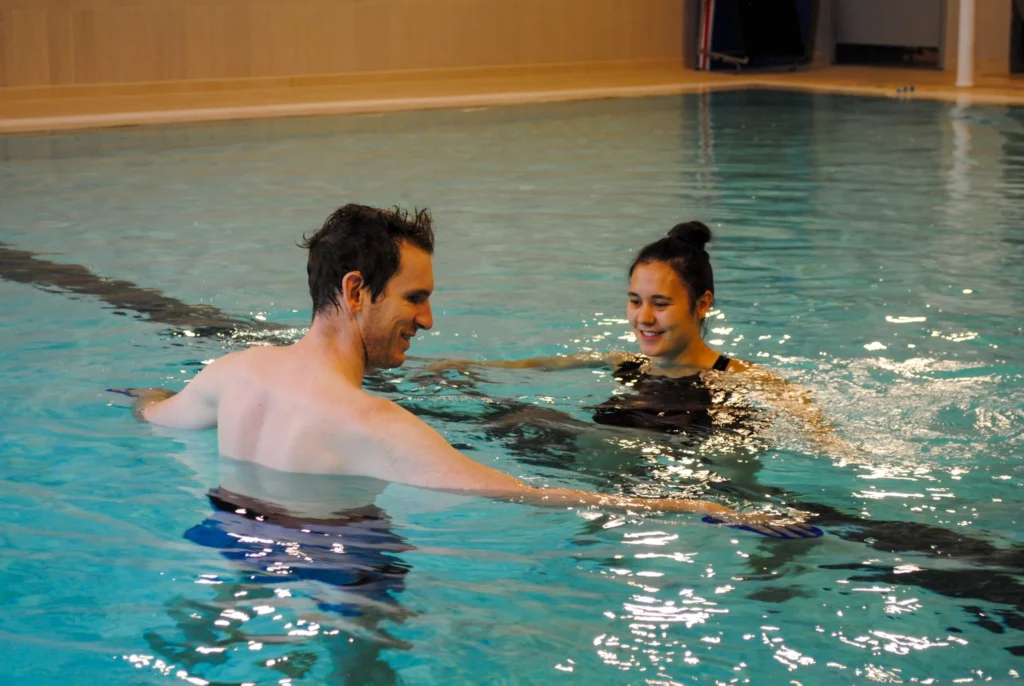
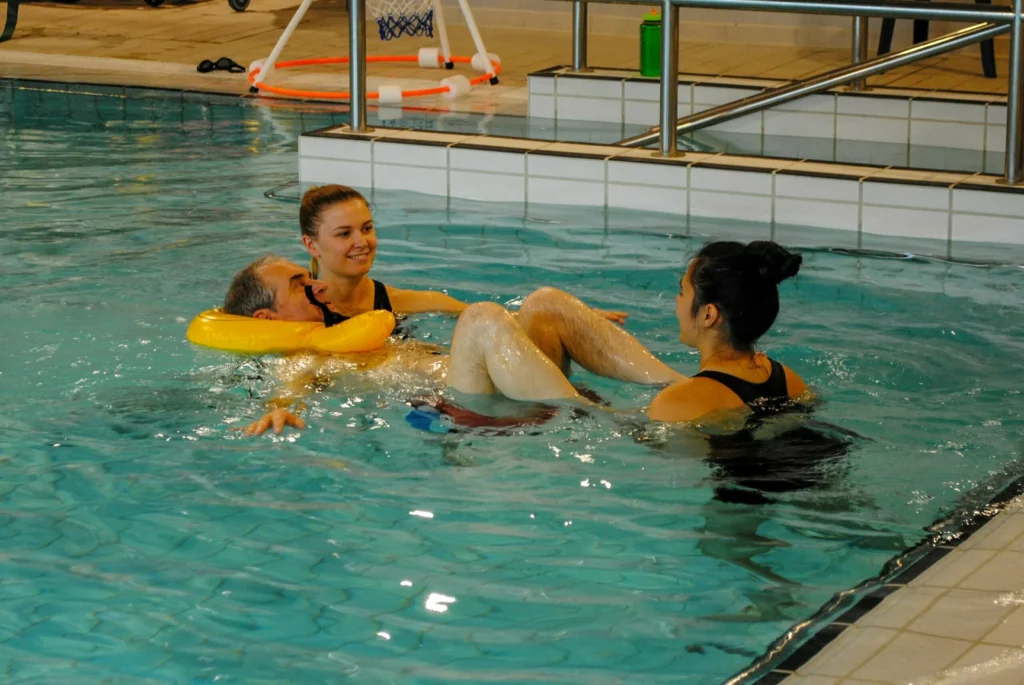
All new patients will first require an assessment with a Hobbs Rehabilitation therapist at an outpatient rehabilitation centre. This allows us to understand your condition, rehabilitation goals and determine whether aquatic physiotherapy is the most appropriate treatment option for you.
Aquatic physiotherapy can be provided as a stand-alone treatment or as part of a wider rehabilitation programme. Our service is available for both adults and children, with treatment tailored to individual needs and goals.
We offer aquatic physiotherapy at Winchester Sport & Leisure Park (via Hobbs Rehabilitation Liss and Winchester) – or find your nearest centre.
Alternatively, call us on 01962 779796 to talk with our team or fill out our enquiry form on our contact page.
We accept self-referrals and referrals from Medico-Legal, health and social care professionals and the charity sector.
Explore a range of common questions about aquatic physiotherapy, and see how you may benefit from an assessment. If your question still isn’t answered, get in touch – contact us.
Aquatic Physiotherapy is a form of physiotherapy that is designed for and based on water. A programme of treatment is designed using the properties of the water such as buoyancy and resistance allowing for a unique and personalised treatment approach. This is carried out in a hydrotherapy pool, which is an accessible pool where the water temperature is between 34-35°C.
Winchester Leisure Centre have a specially designed hydrotherapy pool which is fully accessible with a chair/bed hoist, ceiling track hoist and steps with a rail to enter the pool.
Aquatic physiotherapy provides many benefits for those with stroke, brain injuries, spinal cord injuries and other neurological conditions:
Aquatic rehabilitation and physiotherapy provide a holistic approach to recovery, promoting mental relaxation and stress reduction due to the calming effects of water. Moreover, these sessions promote social interaction and confidence-building in a supportive aquatic environment.
For your aquatic rehabilitation session, you will need to bring a swimming costume or shorts suitable for aquatic physiotherapy. You are welcome to wear a T-shirt over your swimsuit if you would feel more comfortable during your session.
It’s advisable to bring your own towel and shower gel or shampoo for after the session. Consider bringing a dressing gown or extra towels to keep yourself warm before and after your aquatic physiotherapy session.
Remember, outdoor shoes aren’t permitted around the pool area. You might want to bring indoor shoes or flip-flops for your comfort and safety.
Please note, that elbow crutches and walking sticks can’t be used near the hydrotherapy pool. However, support frames will be provided for those needing assistance during the session.
Upon arrival, it’s recommended to arrive with sufficient time before your session for changing.
Arrival and Changing Process:
Changing Facilities:
Important Reminders:
Belongings and Lockers: Ensure you take all belongings out of the changing rooms or utilise the available lockers. These spaces may be used by the next patient while you’re in the pool.
Yes, we provide aquatic physiotherapy for both adults and children with neurological conditions or injuries. Our team includes specialists who can assist individuals of all ages. Our paediatric team is well-equipped to offer care to children across different age groups.
Our rehabilitation stories highlight individual experiences of recovery at Hobbs Rehabilitation, following personal journeys, goals and milestones to show the impact of therapy beyond clinical outcomes.
Don’t just take our word for it – take theirs.