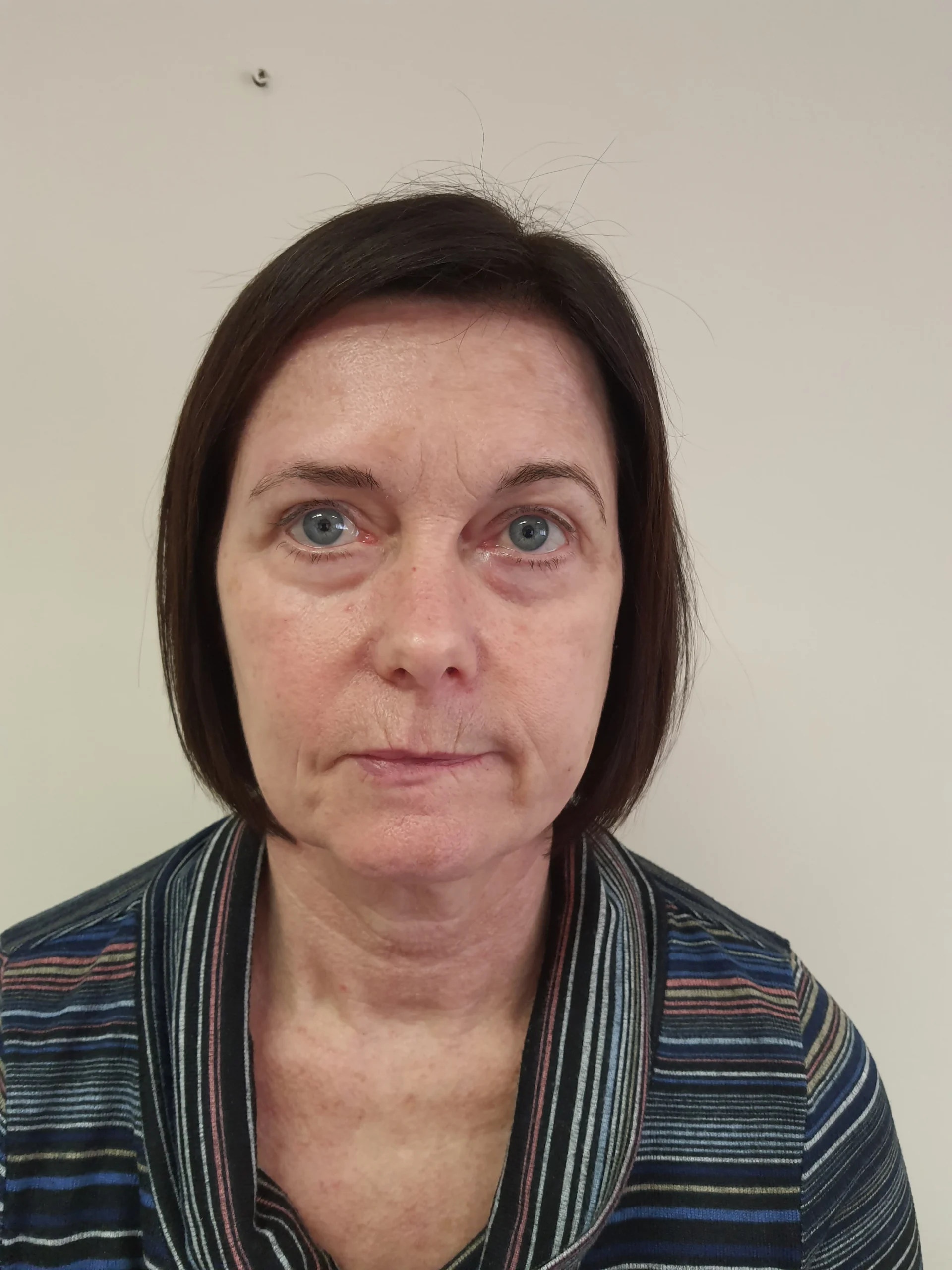
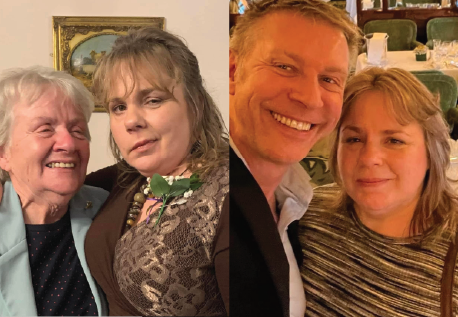
Facial palsy, also known as facial paralysis, can affect movement and control of the muscles on one or both sides of the face. It can also affect functions such as eye closure, speech, swallowing, eating, taste, hearing and saliva or tear production. The impact of facial palsy varies depending on its cause and severity, so rehabilitation is tailored to your individual symptoms, needs and goals.
Our specialist facial therapy team provides rehabilitation for people with facial palsy at different stages of recovery, from acute facial weakness through to longer-term difficulties such as facial synkinesis. Rehabilitation can be accessed online from the comfort of your own home or at our outpatient centres.
Specialist Facial Therapy Throughout Your Recovery
Facial nerves and muscles require a specialist approach, as they do not behave in the same way as other nerves and muscles in the body. Our therapists are specially trained in facial palsy rehabilitation and can assess your facial movements, understand the difficulties you are experiencing and develop an individualised treatment programme around your needs and goals.
Facial Palsy Rehabilitation at Hobbs Rehabilitation
Hobbs Rehabilitation provides rehabilitation to treat all types of facial palsy. It’s important to seek treatment from therapists specially trained in facial palsy rehabilitation because the facial nerves and muscles do not behave in the same way as other nerves and muscles in the body. Seeing a therapist without this special training can potentially harm your recovery and cause further complications. The Facial Therapy specialists at Hobbs Rehabilitation are trained in treating facial palsy at each step along the recovery journey, from acute care to chronic with synkinesis. They are members of Facial Therapy Specialists International.
Facial palsy rehabilitation at Hobbs Rehabilitation can be accessed online from the comfort of your own home or at our outpatient centres.
Symptoms of Facial Palsy
Facial palsy occurs when the facial nerve becomes damaged, and can’t send messages to the muscles on that side of the face. The nerve has become ‘unplugged’ from the facial muscles. This can happen due to a variety of disorders or conditions:
Bells Palsy
Ramsay Hunt Syndrome
Vestibular Schwannoma
Trauma or surgery to the facial nerve
The palsy can affect half of the face, some of one half, or in rare circumstances both sides of the face. Taste, hearing, tear production and saliva production can also be affected, as well as the movement of muscles in the face.
Facial weakness can occur after a stroke, and this tends to affect the lower half of one side – the opposite side to where the damage was in the brain.
What to Expect From Facial Palsy Rehabilitation
Facial Palsy Assessment
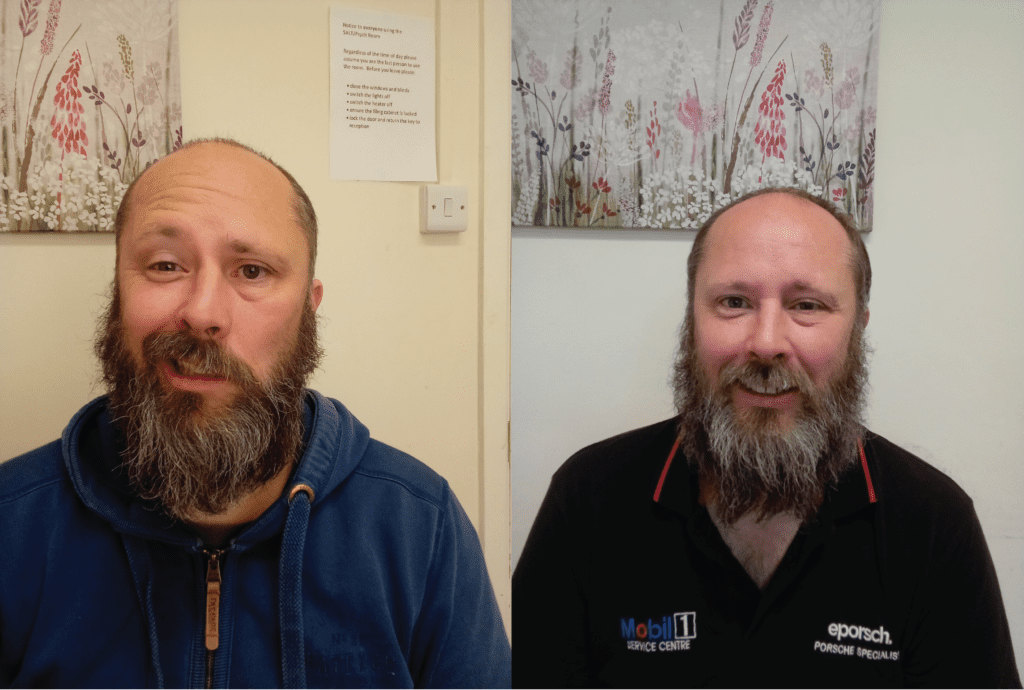
You will begin with a one-hour specialist facial therapy assessment. Your therapist will ask you questions to find out more about your facial palsy, what treatment you’ve accessed and what your biggest difficulties are. Your facial movements will be assessed which will help direct your treatment. The therapist will also take photographs of your face, as a record of your baseline to then compare with subsequent images as your treatment progresses.
Facial Palsy Treatment
Facial palsy therapy is determined by what stage of recovery you are at. Therapy can involve understanding how the nerves and muscles in the face work, massage, releasing tight muscles and retraining normal movement patterns. The therapist will give you a programme to follow, and check in on you at intervals – you will gain the most benefit if you follow this programme daily.
How Our Expert Team Can Assist You
Symptoms vary depending on the cause and severity of facial palsy, so treatment is tailored to each individual’s needs and goals to improve facial function and confidence.
Improve facial movement
Reduce facial asymmetry
Support eye closure
Manage facial synkinesis
Improve speech
Support swallowing
Improve eating
Manage facial tightness
Build confidence
Types of Facial Palsy
Our service supports people with a wide range of facial palsy conditions, with rehabilitation tailored to each person’s individual needs and goals.
Treatment is tailored to the stage of your recovery, your symptoms and your individual goals. It may include:
Facial movement assessment
Facial movement retraining
Massage and soft tissue techniques
Muscle relaxation techniques
Movement pattern retraining
Individualised facial exercises
Eye closure strategies
Speech and communication support
Swallowing rehabilitation
Home-based facial therapy
Progress photography and review
Specialist facial therapy education
Enquire
Enquire today about any of our services or packages
Screen
You will be contacted to determine your needs and assessment location
Assess
Your therapist will recommend the best course of treatment
Treatment
Once you have booked you will be ready to start your treatment plan.
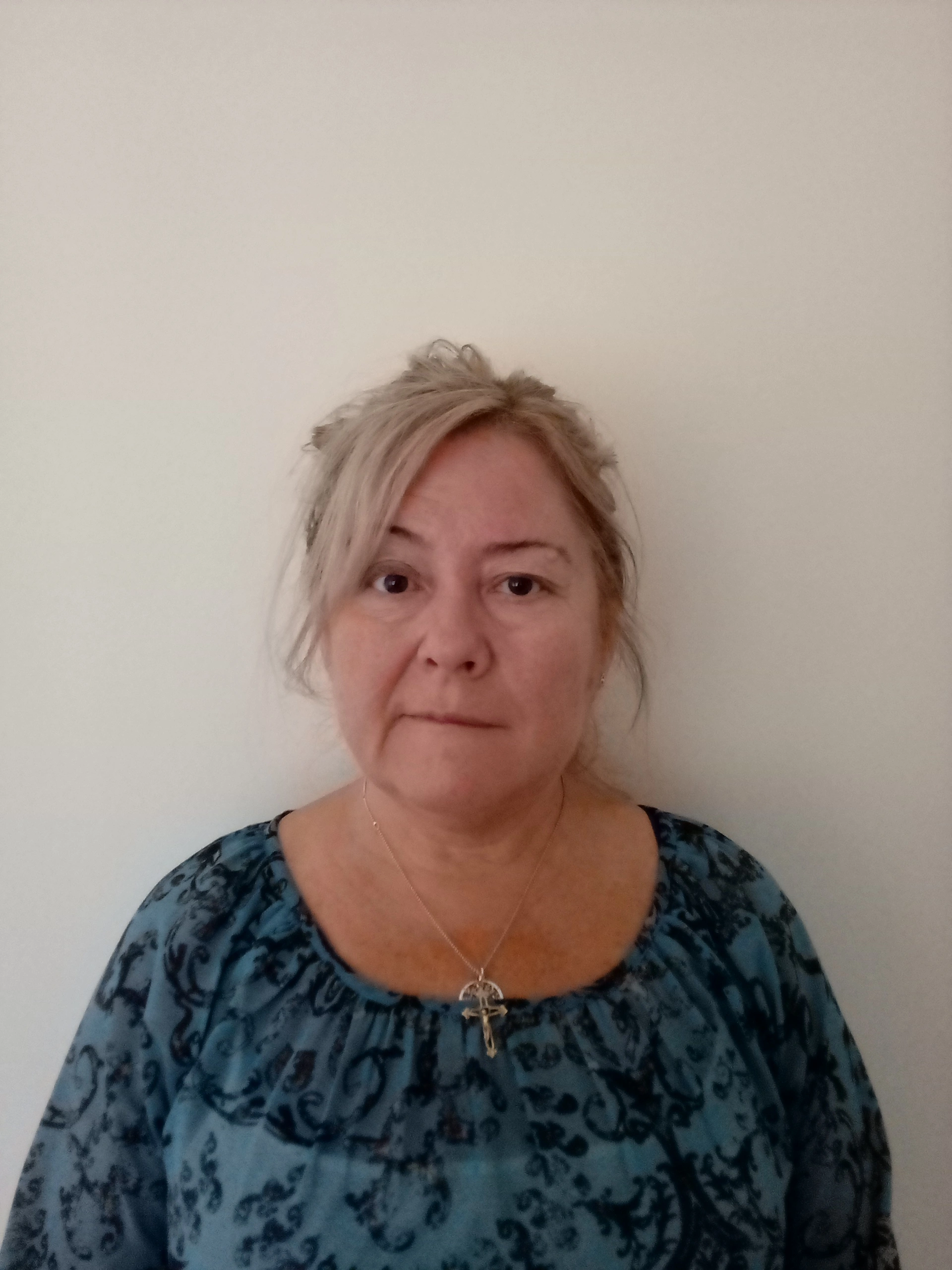
Meet the Team
Our team is made up of highly experienced clinicians who are passionate about supporting people through their rehabilitation journey. Each member brings specialist knowledge, clinical expertise, and a patient-centred approach to their work.
We accept self-referrals and referrals from Consultants, General Practitioners, other Health Care Professionals and Case Managers, at the following Hobbs Rehabilitation centres for this condition:
Explore a range of common questions and see how you may benefit from an assessment. If your question still isn’t answered, get in touch – contact us.
What is facial palsy?
Facial palsy is weakness or paralysis affecting the muscles of the face, usually on one side. It occurs when the facial nerve is damaged or affected, preventing normal signals from reaching the facial muscles.
What can cause facial palsy?
Facial palsy can have a number of causes, including Bell’s palsy, Ramsay Hunt syndrome, vestibular schwannoma, trauma and surgery affecting the facial nerve. Facial weakness can also occur following a stroke.
Can facial palsy affect more than facial movement?
Yes. Depending on the cause and severity, facial palsy can also affect eye closure, speech, swallowing, eating, taste, hearing and the production of tears and saliva.
What is facial synkinesis?
Facial synkinesis can develop during recovery from facial nerve injury. It occurs when movements intended for one part of the face also cause involuntary movement in another area. Specialist facial therapy can help you understand and manage these movement patterns.
What happens during a facial palsy assessment?
Your specialist facial therapy assessment typically lasts one hour. Your therapist will discuss your facial palsy, previous treatment and the difficulties you are experiencing before assessing your facial movements. With your consent, photographs may also be taken to establish a baseline and help monitor changes over time.
Can facial palsy rehabilitation be provided online?
Yes. Specialist facial palsy rehabilitation can be accessed online or at our outpatient centres, depending on your needs and circumstances.
When can I start facial palsy rehabilitation?
Facial therapy can be appropriate at different stages of recovery, from acute facial weakness through to longer-term difficulties such as facial synkinesis. Your therapist can assess your presentation and advise on an appropriate rehabilitation approach.
Will I need to practise at home?
Your therapist may provide an individualised programme to follow between appointments. The type and frequency of practice will depend on your stage of recovery, symptoms and treatment goals.
Our Credentials
Hobbs Rehabilitation is proud to be recognised by leading organisations and professional bodies.
Our rehabilitation stories highlight individual experiences of recovery at Hobbs Rehabilitation, following personal journeys, goals and milestones to show the impact of therapy beyond clinical outcomes.