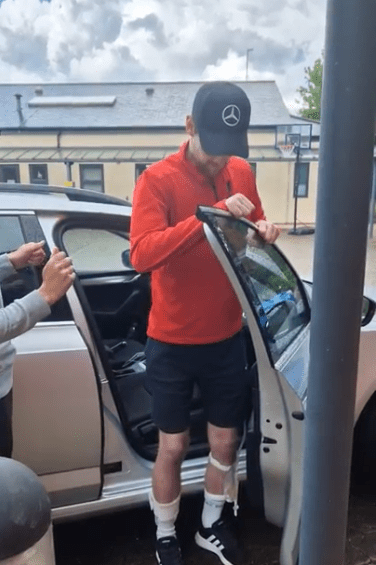
Neuropsychology is a branch of clinical psychology specialising in brain-behaviour relationships, neuropsychological dysfunction and acquired brain injury rehabilitation. Our team work to understand the impact of the neurological condition and ways to help manage cognitive difficulties, behavioural changes and psychological distress, to enable greater independence and improve quality of life and acceptance.
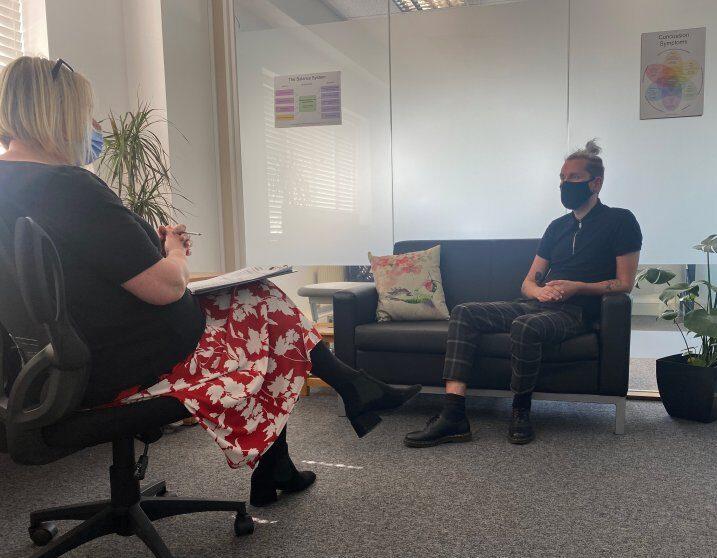
Our team of clinical neuropsychologists at Hobbs Rehabilitation specialise in working with adults affected by a range of adult-acquired neurological conditions including stroke, brain injuries, multiple sclerosis, Parkinson’s disease and Motor Neurone disease.
We have expertise in helping people understand and cope with the effects of their neurological condition and work to help people manage cognitive difficulties and psychological distress, and develop greater independence, quality of life and acceptance.
Hobbs Rehabilitation clinical neuropsychologists are all Health and Care Professions Council (HCPC) registered and in addition hold the Qualification in Clinical Neuropsychology (QiCN), regarded by the British Psychological Society as the “gold standard.”
Our clinical neuropsychologists conduct initial assessments to get a full idea of the general problems people are experiencing. These might be related to memory and thinking skills, emotions, or behaviour. During this appointment, we will ask for more details about how the neurological condition has affected your life, your ability to do the things you want to, your relationships with other people and what you are hoping to change. We will ask you to provide us with background reports. Your treating therapist will then agree on a treatment plan with you, which may include one or more of the following:
Clinical neuropsychologists are specially trained to provide evidence-based psychological therapies for emotional difficulties occurring in the context of neurological conditions. This will involve one-to-one talking therapy, therapy in a couple, with your family or alongside other therapists in therapy sessions, depending on the difficulties you are experiencing. During these sessions, you will learn to identify the thoughts and behaviours that contribute to feelings of distress, gain an understanding of the psychological processes that lead to unhelpful patterns of behaviour and explore ways of coping. Provided that you have the desire to change and the willingness to do something different, we can then support you in considering how to move towards living a life that is meaningful to you with your neurological condition.
Furthermore, we are trained to provide detailed assessments of cognitive functioning that can inform rehabilitation or return to work. These are referred to as neuropsychological cognitive assessments
Our case studies present real rehabilitation outcomes from Hobbs Rehabilitation, focusing on clinical progress, treatment approaches and measurable results.
Intensive rehabilitation available at specific locations.
Our team is made up of highly experienced clinicians who are passionate about supporting people through their rehabilitation journey. Each member brings specialist knowledge, clinical expertise, and a patient-centred approach to their work.
Hobbs Rehabilitation provides a multidisciplinary service to help ensure that every individual can reach their full potential. Discover our core multidisciplinary team or view all our therapies.
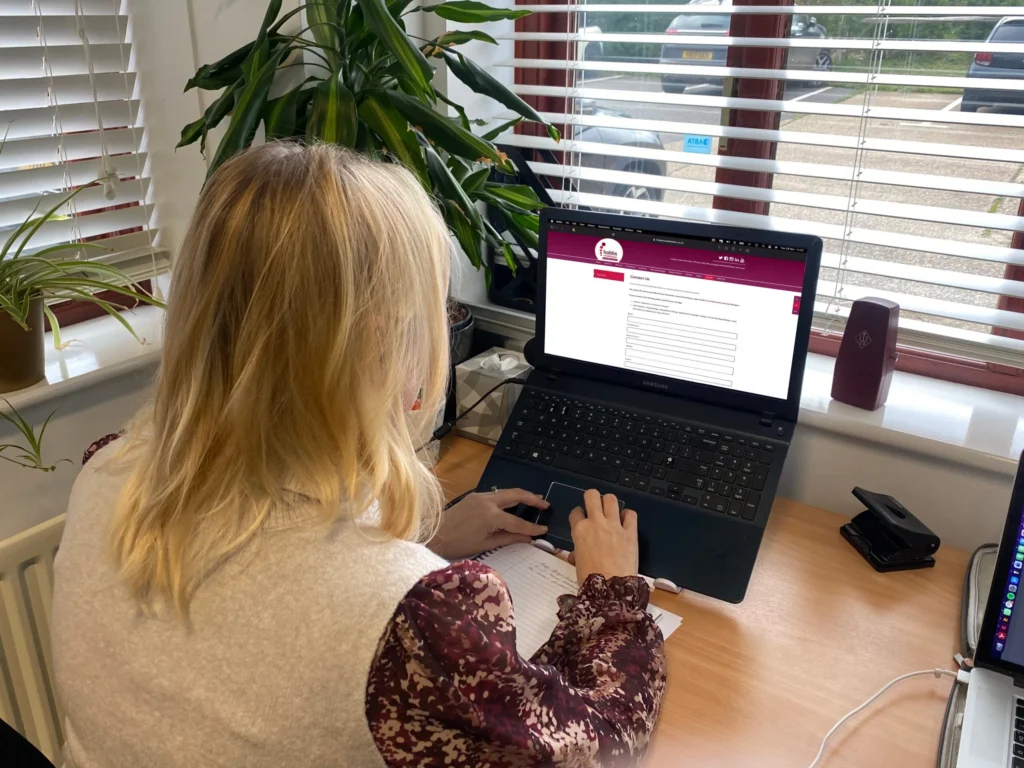
Enquire today about any of our services or packages
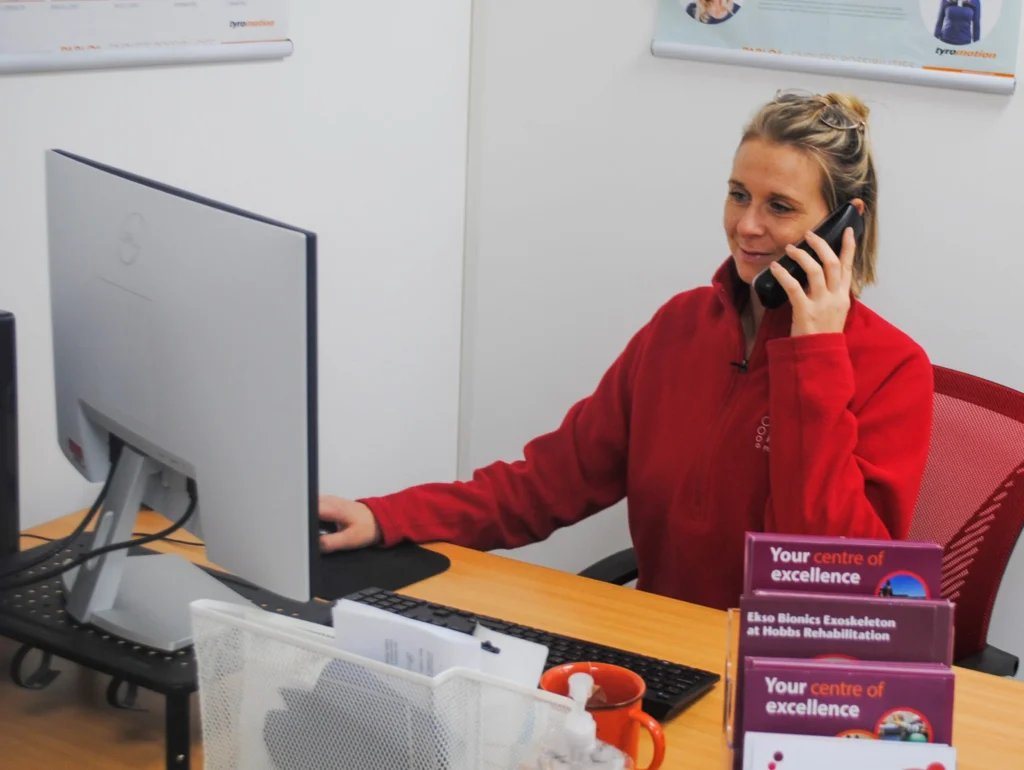
You will be contacted to determine your needs and assessment location
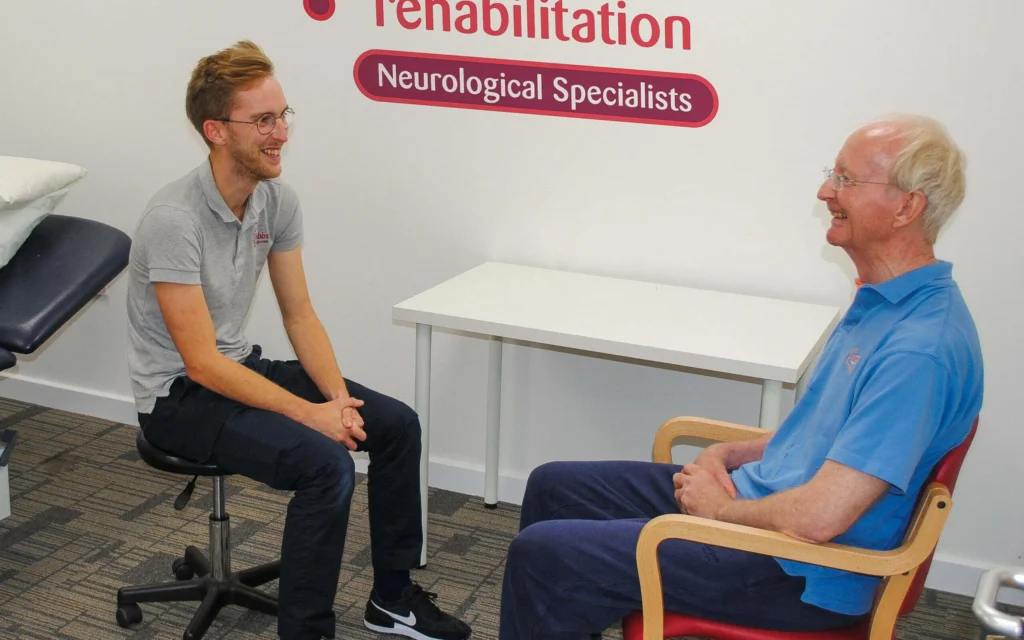
Your therapist will recommend the best course of treatment
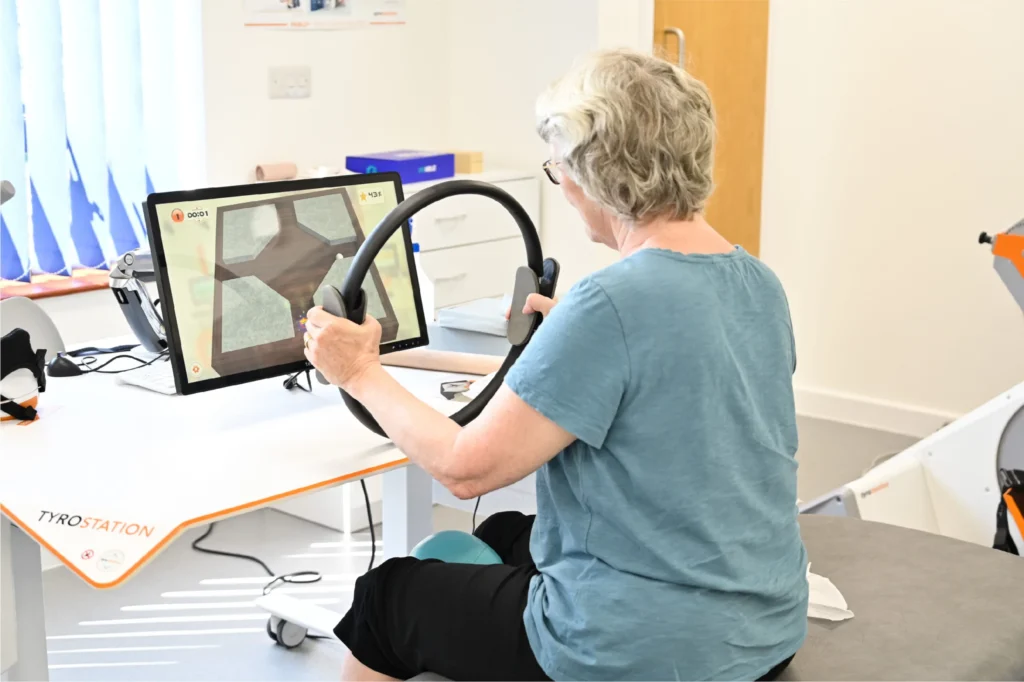
Once you have booked you will be ready to start your treatment plan.
During the assessment, your therapist will recommend the best treatment course, considering your needs and personal goals and whether support from the broader multidisciplinary team would be beneficial.
We offer clinical neuropsychology at Hobbs Rehabilitation Bristol, Liss, Winchester and at Blenheim Court in Liss, Laverstock Care Centre in Salisbury and Oaksey House in Lambourn – find your nearest centre.
Alternatively, call us on 01962 779796 to talk with our team or fill out our enquiry form on our contact page.
We accept self-referrals and referrals from Medico-Legal, health and social care professionals and the charity sector.
Explore a range of common questions about clinical neuropsychology, and see how you may benefit from an assessment. If your question still isn’t answered, get in touch – contact us.
Hobbs Rehabilitation Clinical Neuropsychologists are all HCPC registered and have undergone or are about to complete the Qualification in Clinical Neuropsychology (QiCN) in addition to their doctoral-level training. The QiCN is generally considered the ‘gold standard’ in the profession and provides a standard of competence for practice. Completing this post-doctoral training enables our clinical neuropsychologists to join the Specialist Register of Clinical Neuropsychologists. Those with this qualification are typically known as Clinical Neuropsychologists, those without it are typically described as Clinical Psychologists in Neuropsychology.
Our rehabilitation stories highlight individual experiences of recovery at Hobbs Rehabilitation, following personal journeys, goals and milestones to show the impact of therapy beyond clinical outcomes.
Don’t just take our word for it – take theirs.