Amputee Rehabilitation
Amputee and Trauma Service
At Hobbs Rehabilitation, we provide specialist support for individuals recovering from amputation and polytrauma. Our multidisciplinary team delivers intensive, personalised rehabilitation designed to help clients regain independence, rebuild strength, and return to daily life, work, and recreational activities. By combining hands-on therapy with advanced prosthetic and technology-integrated solutions, we guide each person through every stage of their recovery journey.
What to Expect from an Amputee Assessment at Hobbs Rehabilitation
An amputee assessment at Hobbs Rehabilitation is a comprehensive, person‑centred process designed to understand the whole individual—not just the limb loss. Assessments are led by specialist amputee physiotherapists and delivered within a multidisciplinary team (MDT) framework to ensure all physical, psychological, and functional needs are considered.
During the assessment, we will explore:
- Medical and surgical history, including cause and level of amputation or trauma
- Current physical function, strength, balance, mobility, and endurance
- Pain, including residual limb pain and phantom limb pain
- Prosthetic use, fit, comfort, and function (where applicable)
- Neurological, cognitive, or psychological factors that may influence recovery
- Equipment needs, including wheelchairs, seating, or adaptive devices
- Personal goals, lifestyle, work, and sporting or recreational aspirations
Where appropriate, input from the wider MDT may be included, such as:
- Occupational therapy
- Clinical Neuropsychology
- Rehabilitation medicine consultants
- Prosthetists and orthotists
- Nursing and care providers
The outcome of the assessment is a clear, goal‑focused rehabilitation plan, developed collaboratively with the client and, where relevant, family members, case managers, and referrers. This plan is measurable, adaptable, and designed to evolve as recovery progresses.
What to Expect from Amputee Rehabilitation Treatment at Hobbs Rehabilitation
Amputee rehabilitation at Hobbs Rehabilitation is evidence‑based, progressive, and highly individualised. Treatment focuses on restoring function, independence, and confidence following limb loss or traumatic injury.
Rehabilitation programmes may include:
- Residual limb care and desensitisation
- Strength, balance, gait, and functional mobility training
- Prosthetic rehabilitation, including optimisation of prosthetic use
- Pain management strategies, including phantom limb pain approaches
- Functional task practice for daily activities, work, and community mobility
Lower Limb Rehabilitation
Our rehabilitation programs are tailored to your goals, focusing on balance, gait training, navigating stairs and slopes, and even running and sports. Following a lower limb amputation, everyday activities can become more challenging, sometimes leading to secondary complications such as back pain or plantar fasciitis. At Hobbs Rehabilitation, we work closely with you and your prosthetic componentry to maximise function and help you regain independence in the activities that matter most to you.
Upper Limb Rehabilitation
Whether with or without a prosthesis, our team helps individuals improve functional skills such as eating and dressing and more complex movements. Hobbs Rehabilitation also provides guidance on maximising the use of prosthetic limbs for improved everyday function.
Rehabilitation is delivered through a coordinated MDT approach, ensuring seamless integration between physiotherapy, occupational therapy, psychology, medical input, and prosthetic services where required.
Using Neurotechnology within Therapy
Where appropriate, rehabilitation may incorporate technology to enhance outcomes, including:
- Video gait analysis and movement assessment
- Assistive and adaptive equipment solutions
- Outcome measures to track progress and guide clinical decision‑making
Adaptive Sport & Activity-Based Rehabilitation
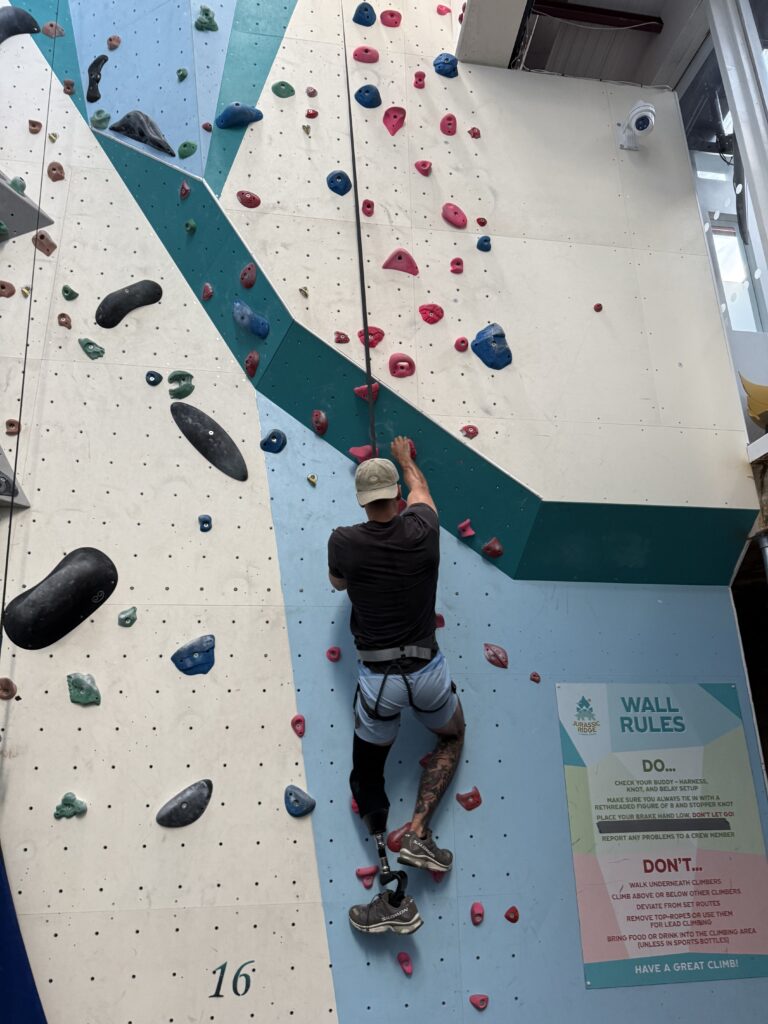
A key feature of the Hobbs Rehabilitation service is the integration of adaptive sport and outdoor rehabilitation, particularly through our Chedington site in Dorset. For clients who wish to return to sport, outdoor activity, or higher‑level physical goals, rehabilitation may extend beyond the clinic environment.
This may include:
- Adaptive cycling, water‑based activities, or outdoor mobility
- Equipment modification and technique adaptation
- Building confidence in real-world environments
- Supporting clients to reconnect with meaningful and personally motivating activities
For some clients, this approach represents a critical step in redefining identity, rebuilding confidence, and achieving long‑term rehabilitation success.
Neurotechnology Commonly used in Amputee Rehabilitation
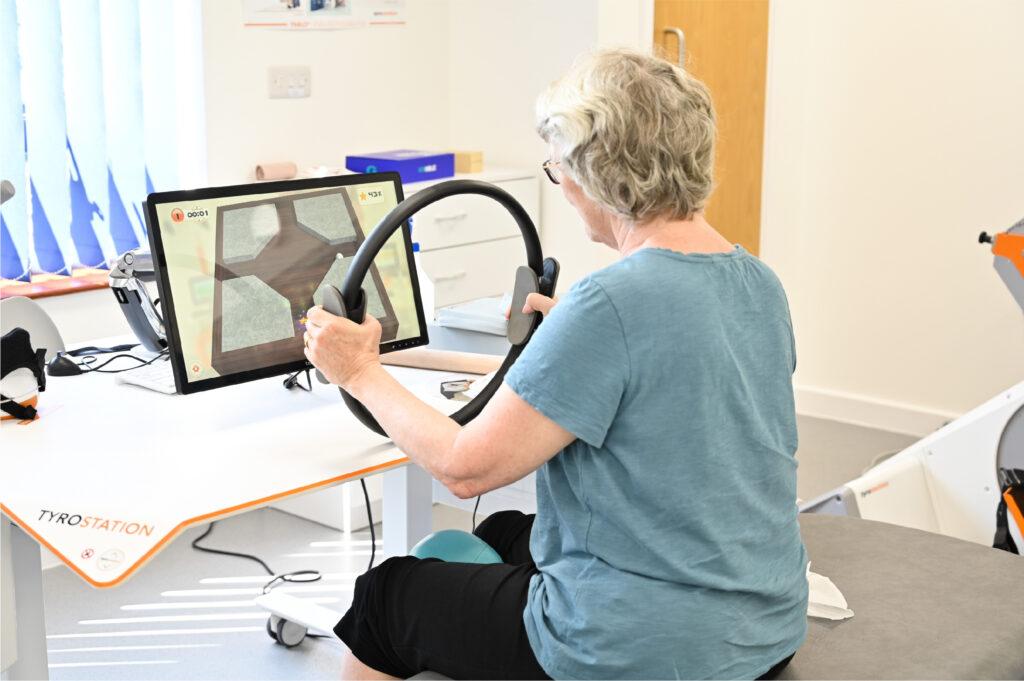
Our amputee service benefits from access to a broad range of state-of-the-art neurotechnology, including the complete Tyro-Solution from Tyromotion.
More Repetitions + Shorter Timespan = Better Results
Intensive rehabilitation available at specific locations.
Meet the Team
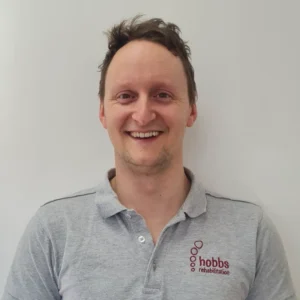
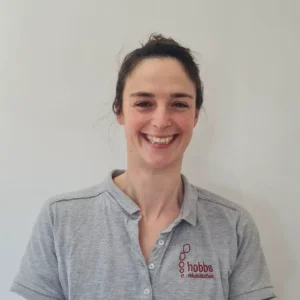
Our team is made up of highly experienced clinicians who are passionate about supporting people through their rehabilitation journey. Each member brings specialist knowledge, clinical expertise, and a patient-centred approach to their work.
Enquire
Enquire today about any of our services or packages
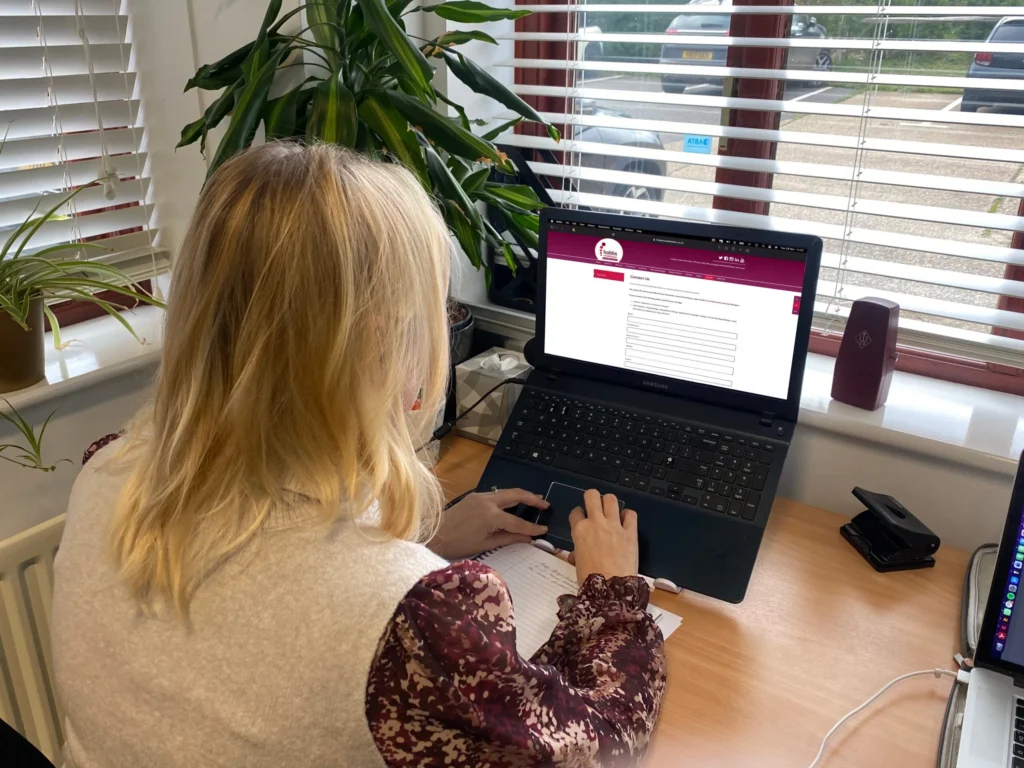
Screen
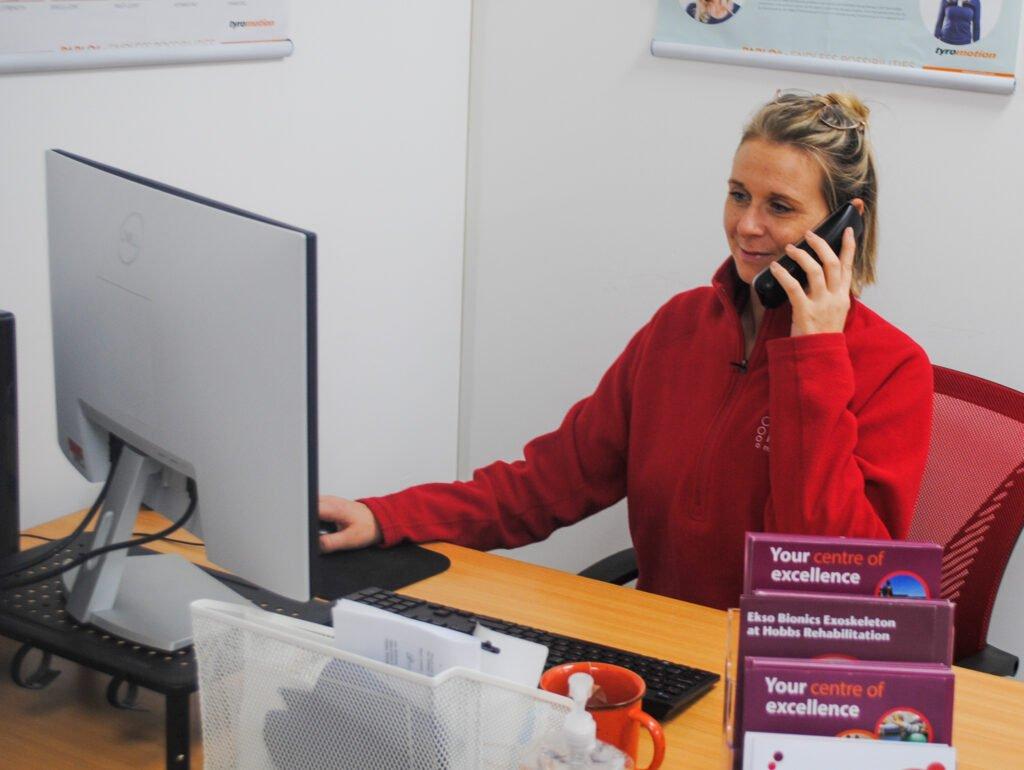
You will be contacted to determine your needs and assessment location
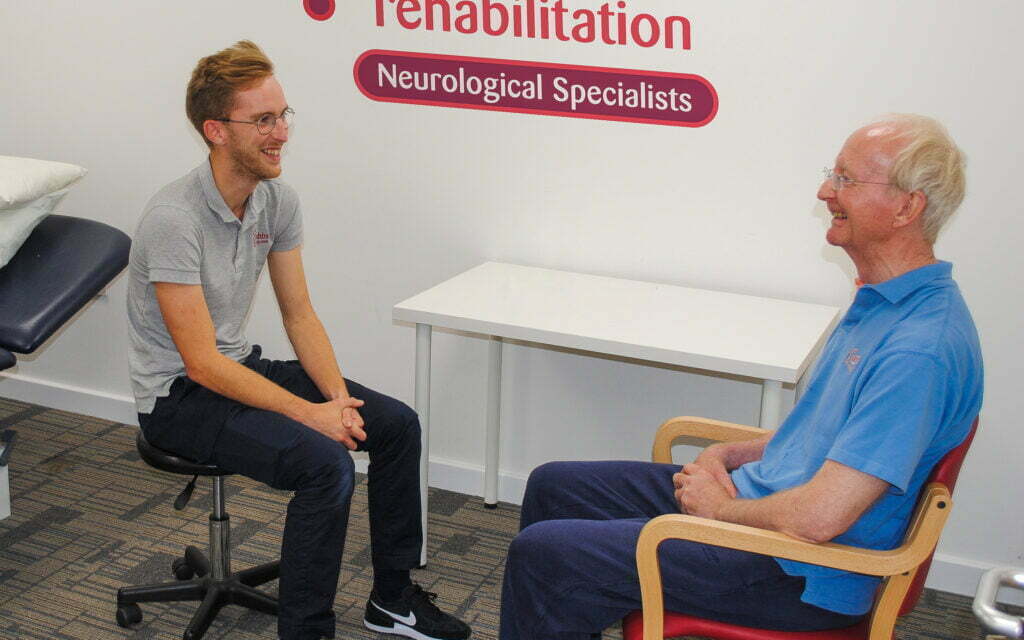
Assess
Your therapist will recommend the best course of treatment
Treatment
Once you have booked you will be ready to start your treatment plan.
What to Expect
During the assessment, your therapist will discuss your clinical history and recommend the best treatment course, considering your needs and personal goals and refer you to our wider multidisciplinary team when required.
Let's Get Started
We offer amputee rehabilitation at Hobbs Rehabilitation Intensive Neurotherapy Centre (Bristol), Chedington and Oaksey House in Lambourn – find your nearest centre.
Alternatively, call us on 01962 779796 to talk with our team or fill out our enquiry form on our contact page.
We accept self-referrals and referrals from Consultants, General Practitioners, other Health Care Professionals and Case Managers.

What Our Patients Say
Don’t just take our word for it – take theirs