Placing You at the Centre of Care

Intensive Rehabilitation

More Reps + Shorter Timespan = Better Results

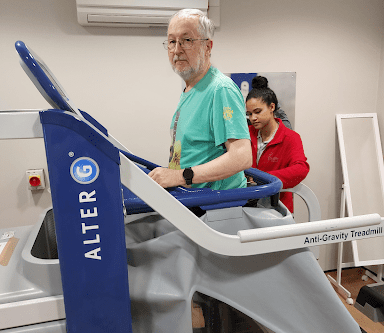
The exciting development of assistive neurotechnology and robotics has allowed clinicians to significantly increase the number of repetitions achieved during sessions and improve patient outcomes when therapy is given over a shorter period of time. Working intensively, you will start to make neuroplastic changes in your brain much quicker than conventional therapy and notice positive changes within weeks.

Intensive Rehabilitation for Neurological Conditions

Whether you have a long-term condition such as multiple sclerosis or are living with the effects of a brain injury, spinal cord injury or stroke, our inpatient and outpatient intensive rehabilitation packages are designed to help you see results quickly.

Number 1 icon

We’ll help you goal set and identify the need and frequency of our interdisciplinary team and assess outcome measures

Number 2 icon

Proceed with your bespoke plan of intensive conventional and neurotechnology rehabilitation

Number 3 icon

We’ll repeat outcome measures with a goal review and provide a discharge pack which will include exercise and activity programmes

Real Patients with Real Results

Our case studies present real rehabilitation outcomes from Hobbs Rehabilitation, focusing on clinical progress, treatment approaches and measurable results.

georgia website feature grahpic 1 | Hobbs Rehabilitation

Georgia’s Case Study

Following a complex neurological condition, Georgia’s intensive rehabilitation helped unlock new physical potential, progressing from wheelchair mobility to independent walking, climbing, cooking, dancing and pursuing her passion for adaptive sport.
RW case study image e1750418661772 | Hobbs Rehabilitation

Robert’s Case Study

Stroke

Acquired Brain Injury

Following a stroke, Robert’s intensive multidisciplinary rehabilitation improved gait, balance, posture and confidence, reducing reliance on mobility aids while supporting greater independence, improved communication, and progression towards returning to valued activities.
nigel case study cropped scaled | Hobbs Rehabilitation

Nigel’s Case Study

Guillain-Barré Syndrome

Following Guillain-Barré syndrome, Nigel’s intensive rehabilitation delivered significant improvements in strength, mobility and independence, progressing from full hoist transfers to walking with support, improved daily activities, and greater personal independence.
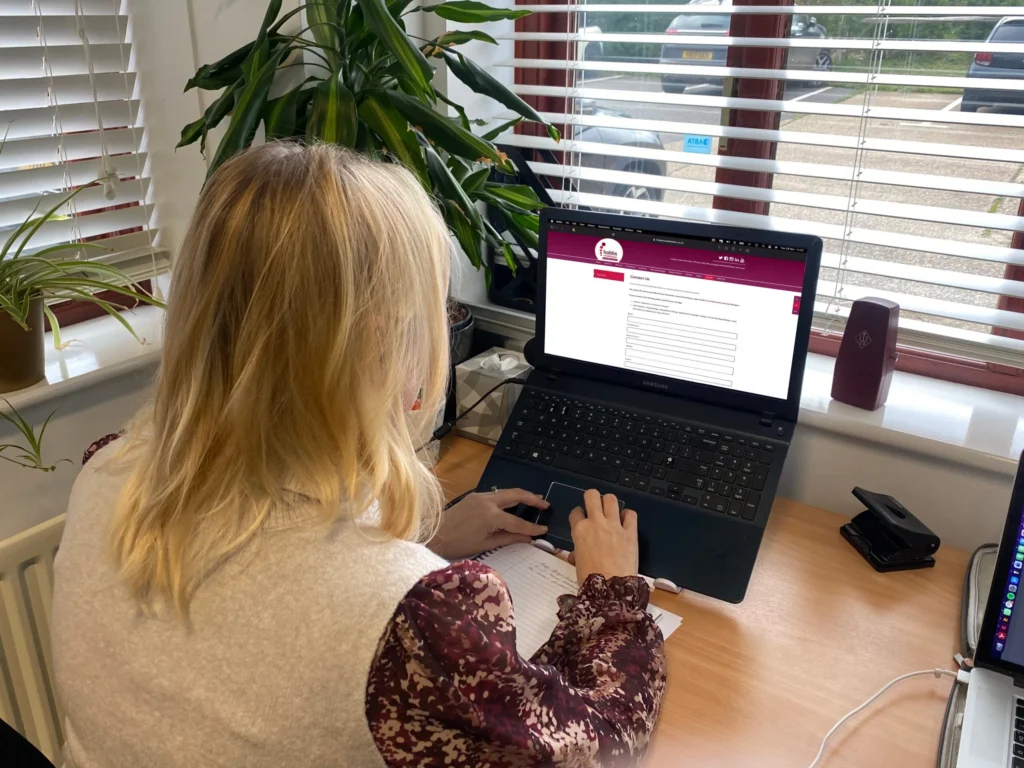
Patient entering details onto an enquiry form on a laptop
Enquire

Enquire today about any of our services or packages

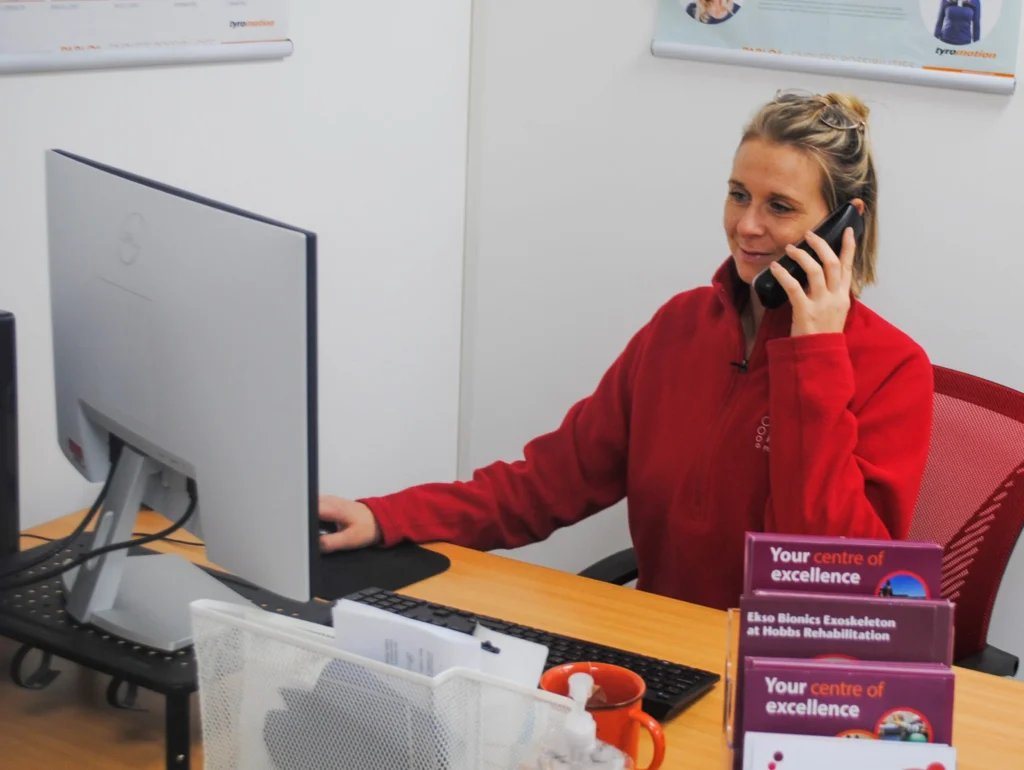
Team member on the telephone at a computer
Screen

You will be contacted to determine your needs and assessment location

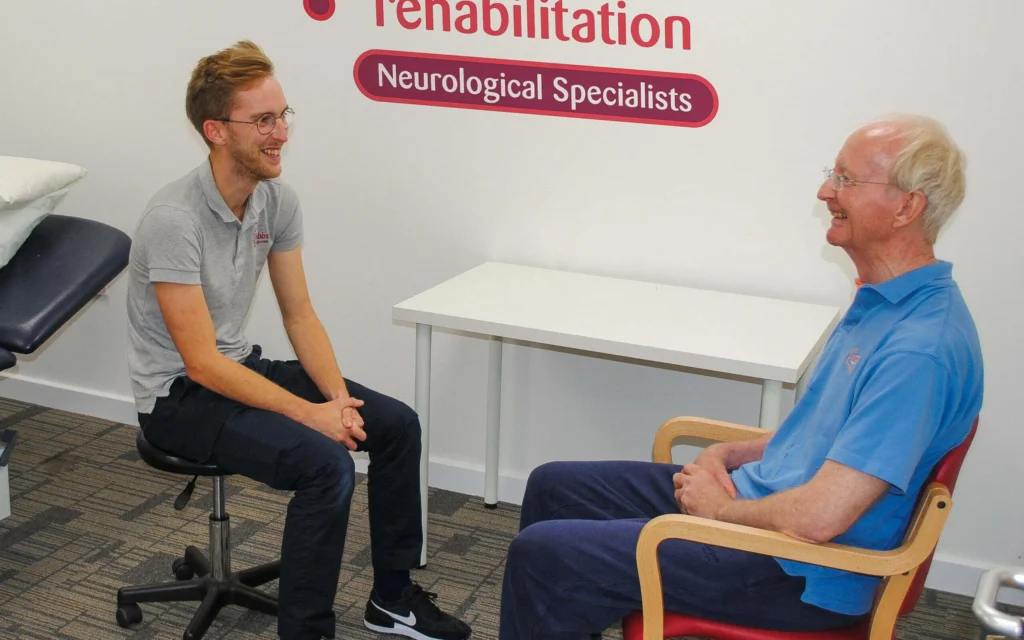
Physiotherapist and patient sat facing towards each other, participating in an assessment consultation
Assess

After your assessment, your therapist will recommend the best course of treatment

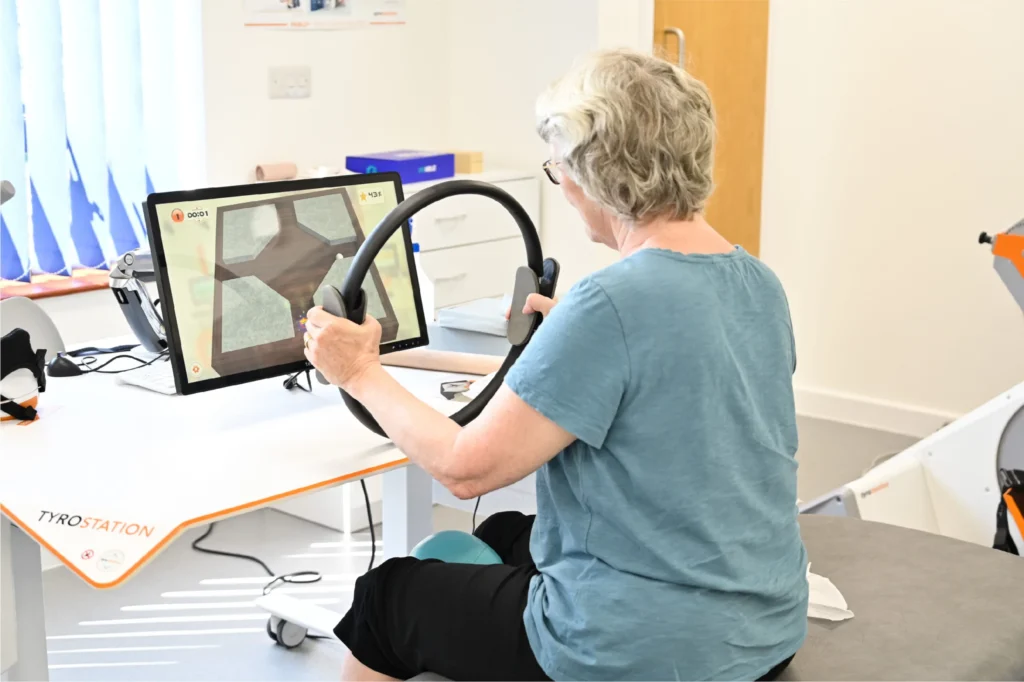
Patient sat at a desk using the DIEGO with a gamified steering wheel and game on a screen
Treat

Once you have booked you will be ready to start your treatment plan

What to Expect

Our high-intensity neurotherapy packages consist of a minimum period of 2 weeks with a minimum of 10 hours of multidisciplinary therapy team input per week. These hours are based on clinician time allocated to your rehabilitation programme, including direct therapy, treatment planning, clinical liaison, administrative tasks, and other rehabilitation-related activities. Packages typically range from 40 to 80 hours over a four-to-eight-week period.
The multidisciplinary therapy programme may include physiotherapy, occupational therapy, speech and language therapy, neuropsychology, hydrotherapy, and rehabilitation assistants. The proportion of input from each discipline is tailored to your individual needs and may change throughout the course of the programme.

Let's Get Started

Our intensive rehabilitation is provided at Hobbs Rehabilitation Bristol, Liss, Winchester, Chedington in Dorset, Laverstock in Salisbury and Oaksey House in Lambourn – or find your nearest centre

Hobbs Rehabilitation can help arrange accommodation if needed, enquire online to discuss your requirements or call us on 01962 779796 to talk with our team.

We accept self-referrals and referrals from Medico-Legal, health and social care professionals and the charity sector.


An Insight into Our Patient Journeys

Our rehabilitation stories highlight individual experiences of recovery at Hobbs Rehabilitation, following personal journeys, goals and milestones to show the impact of therapy beyond clinical outcomes.

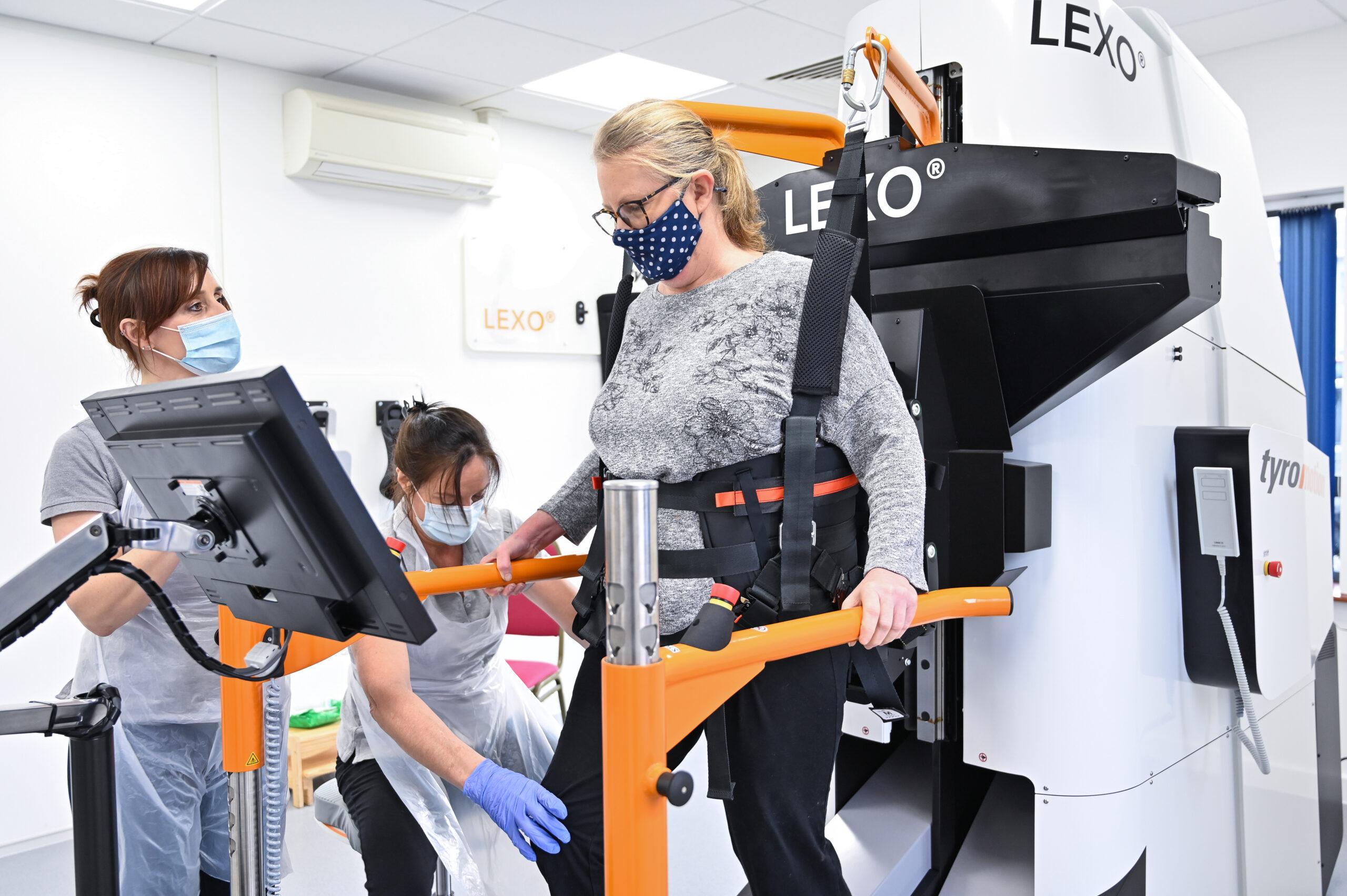
Kylie Stroke Intensive Rehabilitation LEXO scaled | Hobbs Rehabilitation

Kylie’s Rehabilitation Story

Stroke

Acquired Brain Injury, Haemorrhagic Stroke

Kylie experienced a basal ganglia haemorrhage, causing right-sided weakness and sensory difficulties. Through intensive neurological rehabilitation and upper limb therapy, she improved function, confidence and independence.
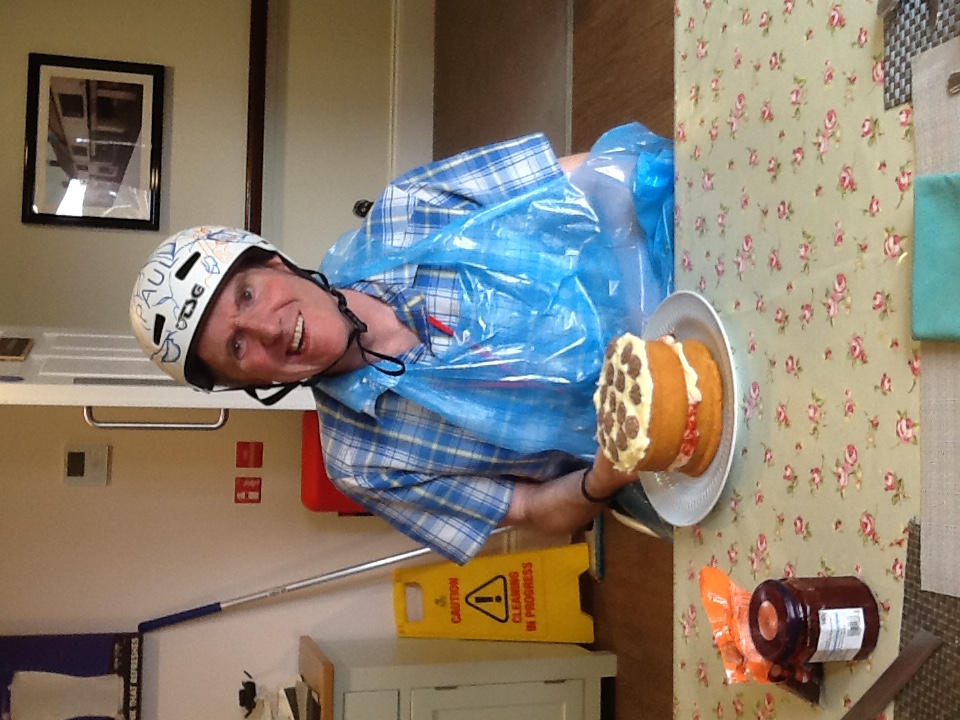
Paul Inpatient Stroke Cake Making | Hobbs Rehabilitation

Paul’s Rehabilitation Story

Stroke

Acquired Brain Injury

Paul experienced a severe stroke requiring hemicraniectomy. Intensive rehabilitation helped him regain independence, improve daily activities, return home, and rebuild confidence through meaningful occupational, speech and physical therapy.

Hear From Them

Don’t just take our word for it – take theirs.