Placing You at the Centre of Care

Stroke

Specialist Rehabilitation After a Stroke

A stroke occurs when the blood supply to part of the brain is interrupted, causing damage to brain cells. This can affect movement, balance, coordination, communication, swallowing, cognition and emotional wellbeing. The effects vary depending on the area of the brain affected and the severity of the stroke.

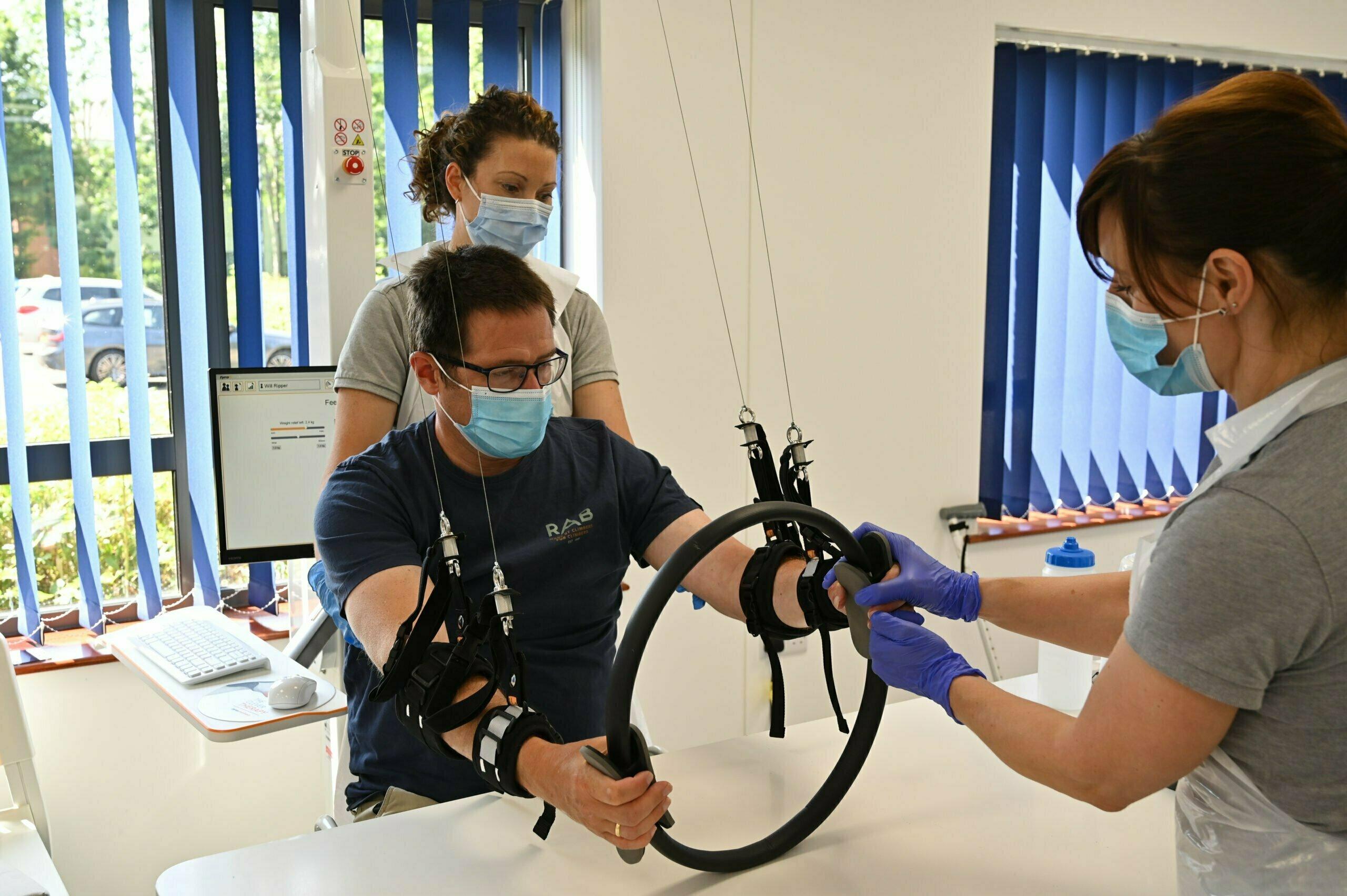
At Hobbs Rehabilitation, our specialist team provides personalised rehabilitation to help you work towards your goals, regain skills where possible and maximise your independence. We offer individual therapy and intensive multidisciplinary rehabilitation packages, combining targeted therapy with neurotechnology where appropriate.

Rehabilitation Tailored to Your Needs

Recovery after a stroke is different for everyone. Our team works collaboratively with you to develop a rehabilitation plan based on your needs, priorities and goals. Depending on your circumstances, this may include Neurological Physiotherapy, Occupational Therapy, Speech and Language Therapy and Clinical Neuropsychology, delivered individually or as part of a multidisciplinary programme.

Adjusting to life after a stroke can be challenging, especially when faced with abrupt changes in mobility, social interactions, and overall lifestyle.

Hobbs Rehabilitation clinical neuropsychologists offer valuable assistance by providing:

Assessment and Evaluation: Clinical neuropsychologists conduct detailed assessments to evaluate cognitive functions such as memory, attention, problem-solving, language and executive functions. These assessments provide a clear picture of an individual’s cognitive strengths and areas of impairment.

Bespoke Treatment: Based on assessment results, clinical neuropsychologists collaborate with our multidisciplinary rehabilitation team to create individualised treatment plans. The treatment plans address cognitive deficits, emotional changes and behavioural challenges to maximise recovery and functional independence.

Professional Support and Education: Our clinical neuropsychologists offer guidance, consultation, teaching, and supervision to fellow healthcare professionals, as well as family members and caregivers. This collaborative approach ensures a well-rounded support network for stroke survivors.

Hobbs Rehabilitation’s clinical neuropsychologists are dedicated to helping individuals navigate the challenges that arise after a stroke, promoting cognitive, emotional, and behavioural well-being for a better quality of life.

Our dedicated occupational therapists at Hobbs Rehabilitation focus on enhancing various aspects of personal care, work, or leisure that may present challenges following a stroke. We achieve these goals through a range of effective methods, including:

Functional Activities: Our occupational therapists guide stroke survivors in regaining independence in everyday tasks. This may involve practising functional activities individually or as part of group therapy sessions.

Environmental Assessment: We conduct assessments in your own environment to identify specific needs for equipment, adaptations, or additional rehabilitation to facilitate a smoother daily life.

Hand Therapy: Our therapists offer specialist hand therapy, which includes splinting and tailored exercise programs, to improve hand function and dexterity after a stroke.

Cognitive Deficit Evaluation and Treatment: We assess and address cognitive deficits that may have resulted from the stroke, helping individuals regain cognitive function and cognitive independence.

Perception and Problem-Solving Support: Our therapists work on aiding perception and problem-solving difficulties, offering strategies and interventions to improve these essential cognitive skills.

At Hobbs Rehabilitation, our occupational therapy services are designed to empower stroke survivors and assist them in reclaiming their independence and quality of life. 

Our Hobbs Rehabilitation neurological physiotherapists are dedicated to enhancing stroke recovery through a range of effective treatment techniques. Our primary goals are to:

Boost Muscle Strength: Our individualised stroke treatment programs include targeted exercises designed to increase muscle strength, mobility, and overall physical function.

Enhance Balance and Mobility: We conduct comprehensive assessments to determine the most suitable mobility aids and offer postural re-education to improve balance and mobility, reducing the risk of falls.

Alleviate Muscle Stiffness, Spasms, and Pain: Through carefully structured stretching routines, we help alleviate muscle stiffness, spasms, and pain, contributing to a more comfortable recovery process.

Prevent Falls: We focus on balance enhancement, gait re-education, and specialist training to reduce the risk of falls, ensuring the safety and well-being of stroke survivors.

Promote Functional Activity: Our physiotherapists provide tailored home exercise programs to improve the functionality of affected limbs, facilitating greater independence in daily life.

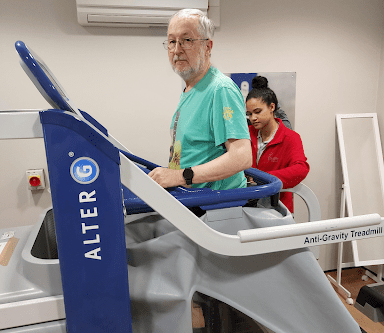
Address Foot Drop: Using Functional Electrical Stimulation (FES) and various orthotics, we work to mitigate foot drop, restoring mobility and comfort.

Enhance Overall Function and Quality of Life: Our comprehensive stroke rehabilitation approach combines stretching, aerobic exercises, strength training, and relaxation techniques, resulting in improved function, independence, and overall quality of life.

At Hobbs Rehabilitation, we are committed to optimising stroke recovery and helping individuals regain their fullest potential for a more active and fulfilling life. Our experienced neurological physiotherapists are here to support you on your rehabilitation journey.
Effective communication and the ability to swallow safely are essential aspects of daily life. If you’re facing challenges in these areas following a stroke, it can significantly affect your overall quality of life.

At Hobbs Rehabilitation, our dedicated speech and language therapists specialise in addressing these concerns. We offer valuable support through:

Feeding and Swallowing Guidance: Our therapists provide expert guidance to help you safely navigate feeding and swallowing, reducing the risk of choking and ensuring your nutritional needs are met.

Communication Training for Family and Caregivers: We offer training sessions for your family and caregivers, equipping them with the skills to effectively communicate with individuals experiencing dysphasia.

Muscle Strengthening for Improved Speech: Through targeted exercises, we work on strengthening the muscles of the face and mouth, facilitating improved speech and articulation.

Communication Aid Recommendations: Our speech therapists offer advice on communication aids and assistive devices that can enhance your ability to communicate effectively.

Flexible Treatment Options: Rehabilitation can take place at our centres, online or in the comfort of your own home. Hobbs Rehabilitation also offers one-on-one therapy sessions and communication group sessions, with treatment settings tailored to accommodate individual preferences and needs. 

Hobbs Rehabilitation is committed to helping stroke survivors regain their communication and swallowing abilities, ultimately improving their quality of life. 

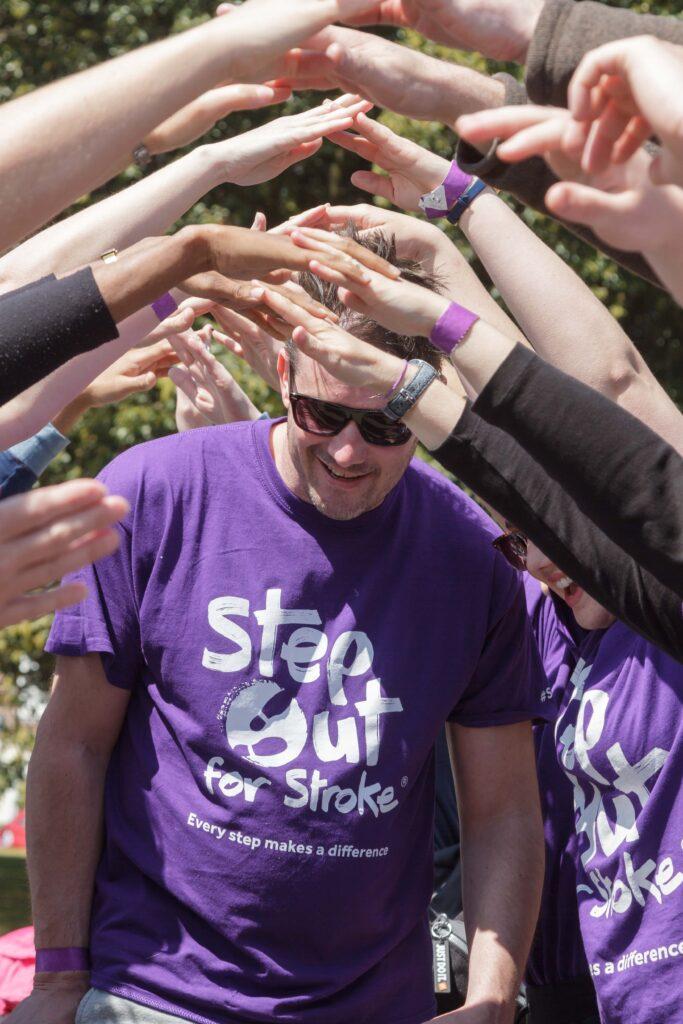
Step out for Stroke Event 1 | Hobbs Rehabilitation

How Our Expert Team Can Assist You

Stroke can affect people in different ways. Our specialist team can support you to:

Improve mobility, balance and coordination

Address muscle weakness and stiffness

Manage foot drop and explore suitable interventions

Reduce falls risk and improve movement control

Develop greater independence with everyday activities

Improve hand function and dexterity

Address cognitive and perceptual difficulties

Manage changes in behaviour and emotional wellbeing

Improve speech and communication

Manage swallowing and feeding difficulties

Develop strategies for memory, attention and problem-solving

Adapt to changes in daily life and support your family or carers

Placing You at the Centre of Care

Hobbs Rehabilitation provides a multidisciplinary service to help ensure that every individual can reach their full potential.

Clinical Neuropsychology

Emotions, thinking, behaviour and the brain

Occupational Therapy

Regain control over your life at home, work and everywhere else

Physiotherapy

Restore function and movement of joints, muscles and tendons

Speech and Language

Help with swallowing and communication difficulties

Services We Provide

Depending on your needs, rehabilitation may include a combination of the following services and specialist programmes:

Adaptive Sports and Activties Icon 02 | Hobbs Rehabilitation

Adaptive Sport and Activities

Enhance your recovery and stay engaged with our adaptive sports and inclusive activities.
Additional Rehabilitation Activities Icon 06 | Hobbs Rehabilitation

Additional Rehab Activities

Elevate your rehabilitation journey by staying active with our groups and additional activities.
Aquatic Physiotherapy Icon 09 | Hobbs Rehabilitation

Aquatic Physiotherapy

Utilise the water environment with access to a hydrotherapy pool.
Exoskeleton Icon 13 | Hobbs Rehabilitation

Exoskeleton Rehabilitation

Technology-assisted rehabilitation to support movement, gait training and functional recovery.
Functional Electrical Stimulation Icon 07 | Hobbs Rehabilitation

Functional Electrical Stimulation

Use targeted electrical stimulation to support movement, muscle activation and functional recovery.
Intensive Rehabilitation Icon 24 | Hobbs Rehabilitation

Intensive Rehabilitation

Increase the number of repetitions to unlock your potential with cutting-edge technology.
Orthotics Clinic Icon 14 | Hobbs Rehabilitation

Orthotics Clinic

Providing support and correction, addressing mobility, promoting proper posture and enhancing gait.
Rehabilitation Assistant Icon 19 | Hobbs Rehabilitation

Rehabilitation Assistants

Additional support and practice to help build strength, confidence, mobility and independence.
Rehabilitation Medicine Icon 20 | Hobbs Rehabilitation

Rehabilitation Medicine

Medical expertise supporting complex rehabilitation and helping you make the most of your recovery.
Vocational Rehabilitation Icon 22 | Hobbs Rehabilitation

Vocational Rehabilitation

Return to work, education or meaningful vocational activity with tailored rehabilitation and practical strategies.

What Treatment May Look Like

Your rehabilitation programme is tailored to your needs, goals and circumstances, and may involve one or more disciplines depending on your requirements.

Single-discipline therapy

Multidisciplinary rehabilitation

Intensive, goal-led rehabilitation packages

Strength and conditioning exercises

Functional Electrical Stimulation (FES)

Balance, posture and coordination training

Gait re-education and walking practice

Functional movement and everyday task practice

Upper-limb and hand rehabilitation

Cognitive rehabilitation and practical strategies

Speech, communication and swallowing rehabilitation

Splinting and equipment assessment

Foot drop management

Neurotechnology-assisted rehabilitation, where appropriate

Home exercise programmes and advice for family members and carers

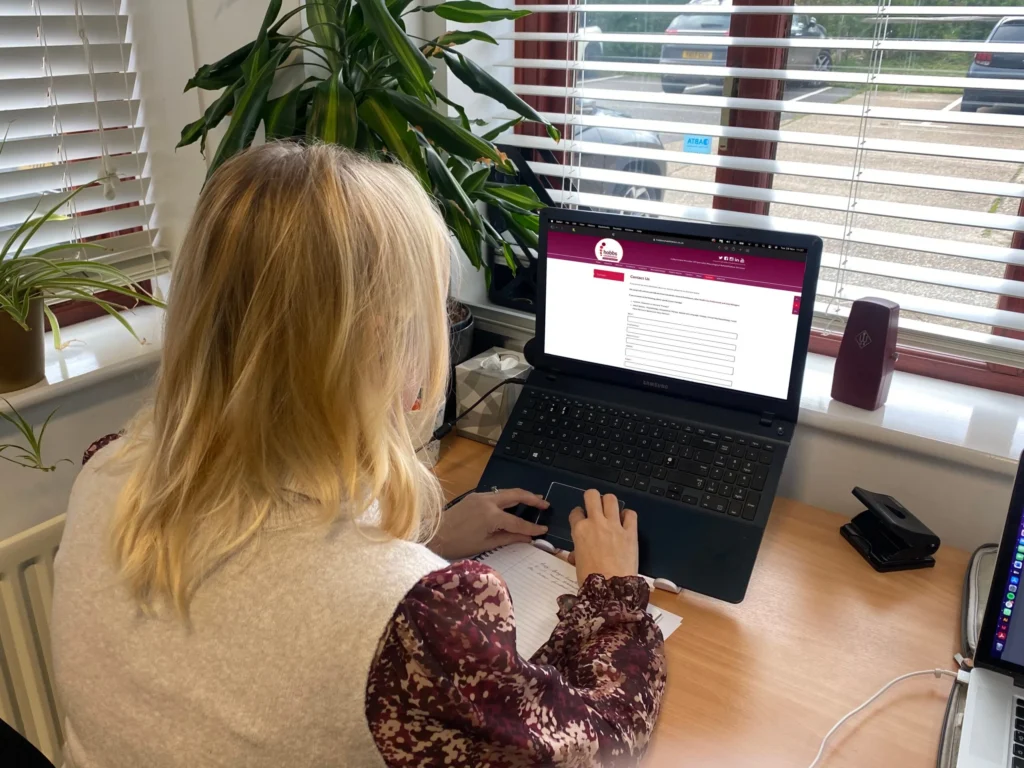
Patient entering details onto an enquiry form on a laptop
Enquire

Enquire today about any of our services or packages

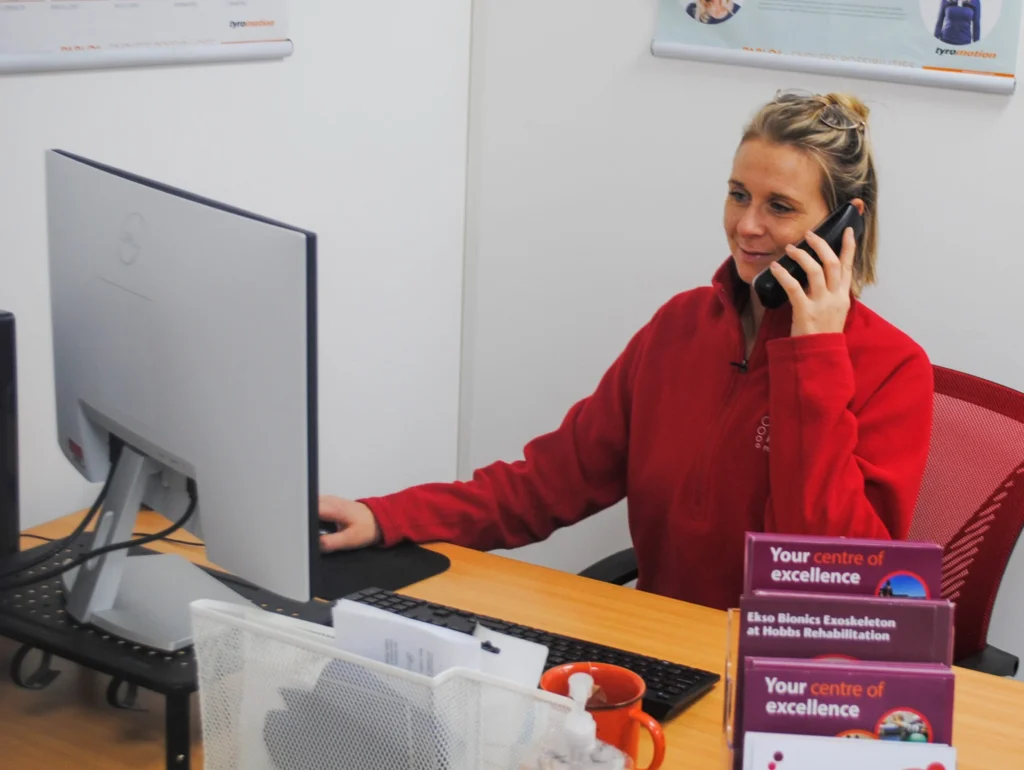
Team member on the telephone at a computer
Screen

You will be contacted to determine your needs and assessment location

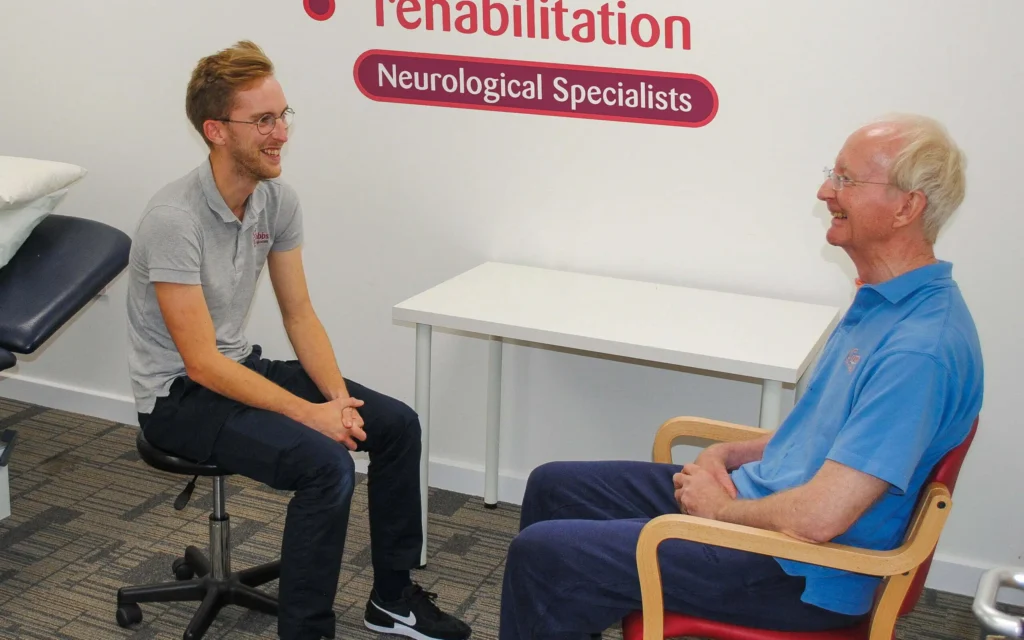
Physiotherapist and patient sat facing towards each other, participating in an assessment consultation
Assess

Your therapist will recommend the best course of treatment

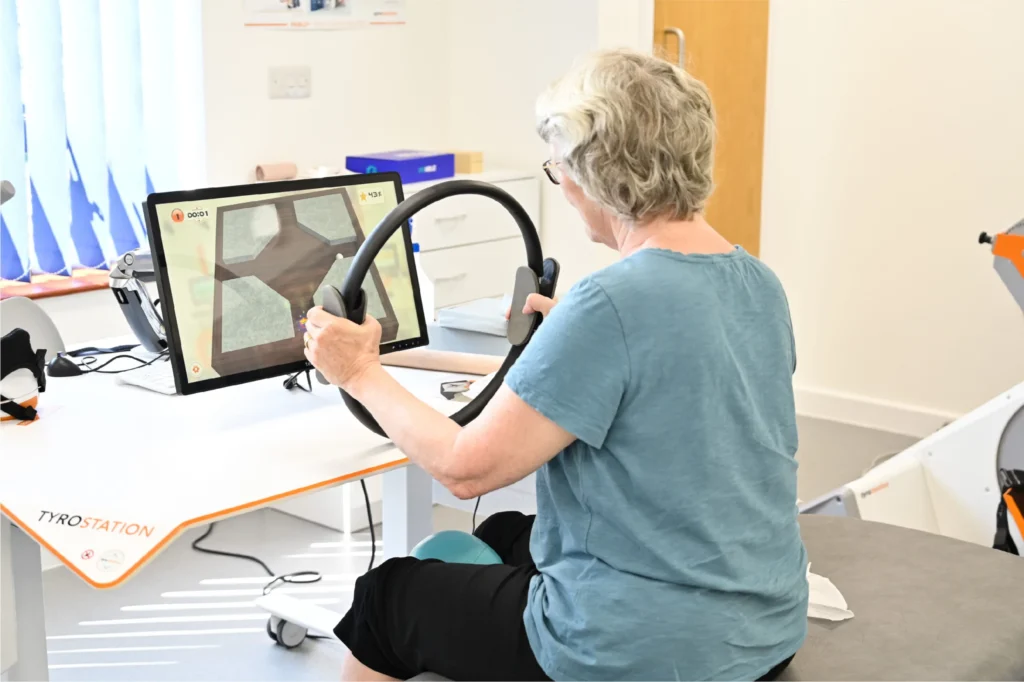
Patient sat at a desk using the DIEGO with a gamified steering wheel and game on a screen
Treatment

Once you have booked you will be ready to start your treatment plan.

Meet the Team

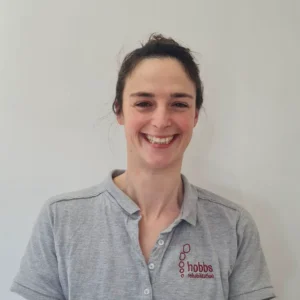
Our team is made up of highly experienced clinicians who are passionate about supporting people through their rehabilitation journey. Each member brings specialist knowledge, clinical expertise, and a patient-centred approach to their work.
Shape the Future Through Clinical Trials

Join our research trials - open to all, including non-Hobbs patients.

Real Patients with Real Results

Our case studies present real rehabilitation outcomes from Hobbs Rehabilitation, focusing on clinical progress, treatment approaches and measurable results.

IMG 2179 scaled e1761824256363 | Hobbs Rehabilitation

Alistair’s Case Study

Stroke

Following a stroke, Alistair has regained independence through multidisciplinary rehabilitation, progressing from wheelchair use to walking with a hiking pole while improving communication, daily activities, and returning to sport.
Winchester Building scaled | Hobbs Rehabilitation

Trish’s Case Study

Stroke

Acquired Brain Injury

Following an intracerebral haematoma, Trish regained independence through specialist rehabilitation, progressing from requiring full assistance to walking unaided indoors, managing personal care independently, and being cleared to drive again.
RW case study image e1750418661772 | Hobbs Rehabilitation

Robert’s Case Study

Stroke

Acquired Brain Injury

Following a stroke, Robert’s intensive multidisciplinary rehabilitation improved gait, balance, posture and confidence, reducing reliance on mobility aids while supporting greater independence, improved communication, and progression towards returning to valued activities.

Neurotechnology Supporting Rehabilitation

Our rehabilitation programmes can incorporate a broad range of state-of-the-art neurotechnology alongside personalised, multidisciplinary therapy.
Ways to Access Rehabilitation

We provide flexible rehabilitation options tailored to your needs, goals and circumstances.
Home Based Rehabilitation Icon 08 | Hobbs Rehabilitation

Home-Based Rehabilitation

Rehabilitation within the home environment for individuals who require support to maximise independence.
Inpatient Rehabiitation Icon 11 | Hobbs Rehabilitation

Inpatient Rehabilitation

Intensive, focused rehabilitation and personalised support for individuals who need continued care and therapy.
Outpatient Rehabilitation Icon 15 | Hobbs Rehabilitation

Outpatient Rehabilitation

Specialist rehabilitation at our outpatient clinics, through individual sessions or intensive packages tailored to your goals.

Let's Get Started

We accept self-referrals and referrals from Consultants, General Practitioners, other Health Care Professionals and Case Managers, at the following Hobbs Rehabilitation centres for this condition:

Alternatively, call us on 01962 779796 to talk with our team or fill out our enquiry form on our contact page.

Need More Information?

Explore a range of common questions about stroke, and see how you may benefit from an assessment. If your question still isn’t answered, get in touch – contact us.

A stroke occurs when the blood supply to part of the brain is interrupted, either by a blockage or bleeding. This can damage brain cells and affect different functions depending on the area involved.

The main types are:

  • Ischaemic stroke: Caused by a blockage in a blood vessel supplying the brain.

  • Haemorrhagic stroke: Caused by bleeding in or around the brain when a blood vessel ruptures.

  • Transient ischaemic attack (TIA): A temporary interruption to the blood supply to the brain, sometimes called a mini-stroke. A TIA requires urgent medical assessment because it can be a warning sign of a future stroke.

Rehabilitation can help you practise skills, address difficulties caused by the stroke and work towards greater independence. Progress varies between individuals and depends on factors such as the effects of the stroke, your health and your rehabilitation goals.

Intensive rehabilitation involves a structured programme of targeted therapy focused on your individual goals. It may combine Physiotherapy, Occupational Therapy and Speech and Language Therapy, with input from other professionals where appropriate. The recommended level of therapy depends on your needs, tolerance and clinical assessment.

Neurological Physiotherapy may help with strength, balance, posture, walking, transfers and movement control. Treatment may also include strategies to address stiffness, practise functional movements and reduce falls risk.

Yes. Physiotherapy and Occupational Therapy can help you practise arm and hand movements, develop functional skills and explore strategies or equipment to support everyday activities. Splinting or other interventions may be considered where appropriate.

Foot drop can make it difficult to lift the front of the foot when walking. Depending on your needs, treatment may include targeted exercises, Functional Electrical Stimulation (FES), orthoses or other strategies to support safer and more effective walking.

Yes. Speech and Language Therapy can support communication and swallowing difficulties. Clinical Neuropsychology and Occupational Therapy may help address changes in memory, attention, problem-solving, perception, behaviour and emotional wellbeing.

Yes. Exercise groups may provide an opportunity to work on strength, balance, mobility and fitness in a supportive environment alongside others. Suitability depends on your individual needs, abilities and goals, and our team can advise on appropriate group options.

Home-based rehabilitation may be available depending on your location, needs and the services available. Your team can discuss suitable options, including whether an assessment of your home environment would be helpful.

There is no single timeframe for stroke rehabilitation. Progress and support needs vary, and goals may change over time. Your rehabilitation team can review your progress and adapt your treatment plan accordingly.

Our Credentials

Hobbs Rehabilitation is committed to maintaining recognised credentials, professional memberships and high standards of safeguarding across our services.

An Insight into Our Patient Journeys

Our rehabilitation stories highlight individual experiences of recovery at Hobbs Rehabilitation, following personal journeys, goals and milestones to show the impact of therapy beyond clinical outcomes.

Copy of NZ6 3488 scaled | Hobbs Rehabilitation

Will’s Rehabilitation Story

Stroke

Acquired Brain Injury

After a stroke changed his active lifestyle, Will undertook intensive multidisciplinary rehabilitation at Hobbs. With specialist therapy, neurotechnology and determination, he achieved greater independence and returned closer to the activities he loved.
Derek Stroke Physiotherapy e1686134115599 | Hobbs Rehabilitation

Derek’s Rehabilitation Story

Stroke

Acquired Brain Injury

After a life-changing stroke, Derek embraced intensive rehabilitation, neurotechnology and targeted training to regain independence. His determination helped him return to cycling, work, coaching rugby, and achieve remarkable physical milestones.
image3 1 | Hobbs Rehabilitation

Debbie’s Rehabilitation Story

Stroke

Acquired Brain Injury

After a severe stroke affected her movement, speech, dyspraxia and aphasia, Debs received intensive multidisciplinary rehabilitation at Hobbs. Her determination and specialist support helped her regain independence and return home.

Hear From Them

Don’t just take our word for it – take theirs.